

Northeast India: A Land of Amazing Colors!
Images
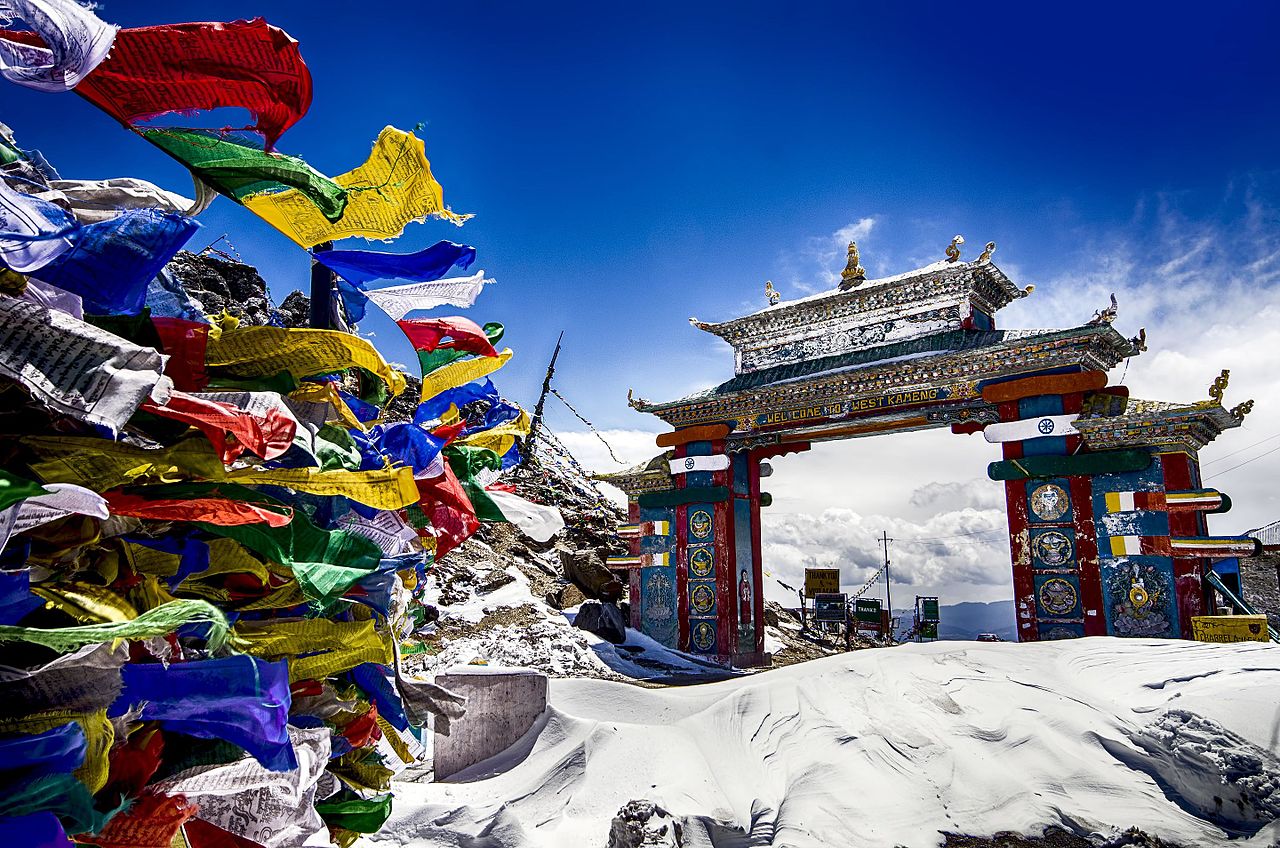
Northeast India
Geopolitical and Geographical Identity of the Northeast
Northeast India, often referred to as the 'Land of the Seven Sisters' (Arunachal Pradesh, Assam, Manipur, Meghalaya, Mizoram, Nagaland, and Tripura) plus Sikkim, is a region defined by its unique geographical position and historical isolation. Connected to the rest of India by the narrow Siliguri Corridor, it shares international borders with Bhutan, China, Myanmar, and Bangladesh. This strategic location has shaped its history, culture, and development.
The landscape is dramatically varied, ranging from the high Himalayan peaks in Arunachal Pradesh to the subtropical rainforests of Mizoram and the fertile plains of Assam, carved by mighty rivers like the Brahmaputra and Barak. This diverse topography has fostered distinct ecological zones and isolated communities, contributing to the region's remarkable cultural mosaic and its status as a global biodiversity hotspot.
A Kaleidoscope of Indigenous Cultures and Traditions
The cultural landscape of Northeast India is exceptionally rich, characterized by a multitude of indigenous communities, each possessing unique languages, social structures, religious practices, and artistic expressions. Over 200 distinct tribal groups inhabit the region, many with their own distinct scripts and oral traditions. Festivals are central to their cultural life, serving as vital platforms for preserving and celebrating heritage.
Events like the Hornbill Festival in Nagaland showcase the vibrant Naga culture, while the Bihu festivals in Assam mark agricultural cycles with song and dance. The region is also renowned for its exquisite handicrafts, particularly the intricate handwoven textiles produced by various communities, each pattern often carrying symbolic meaning and historical narratives. This cultural dynamism is a direct result of centuries of relative isolation and the strong preservation of ancestral customs.
Ecological Riches
Northeast India is recognized as one of the world's most significant biodiversity hotspots, harboring an extraordinary array of flora and fauna. The region’s varied ecosystems, from alpine meadows to dense tropical forests, support a vast number of endemic species. Iconic wildlife includes the endangered one-horned rhinoceros (Rhinoceros unicornis) in Assam's Kaziranga National Park, the Bengal tiger, and numerous primate species, including the hoolock gibbon.
Arunachal Pradesh is a birdwatcher's paradise, with hundreds of avian species. However, this rich biodiversity faces considerable threats from habitat loss due to deforestation, agricultural expansion, infrastructure development, and poaching. Conservation efforts are crucial, focusing on protected areas like national parks and wildlife sanctuaries, alongside community-based conservation initiatives that involve local populations in safeguarding their natural heritage.
Socio-Economic Dynamics and Future Prospects
The socio-economic fabric of Northeast India is complex, marked by both unique opportunities and persistent challenges. While the region possesses immense natural resources and a rich cultural heritage that could drive tourism and sustainable development, it has historically faced issues related to connectivity, infrastructure, and economic marginalization. The diverse tribal populations often have distinct land ownership patterns and traditional economies that require sensitive integration into modern development frameworks.
Addressing issues like insurgency, cross-border migration, and the impact of climate change are also critical for the region's stability and progress. Future prospects lie in leveraging its unique cultural and natural assets through responsible tourism, promoting indigenous crafts, and investing in sustainable resource management, while ensuring that development benefits all communities equitably.
The Significance of Northeast India in a Global Context
Northeast India holds significant importance on both national and global scales. Nationally, it represents a crucial bridge between India and Southeast Asia, influencing geopolitical dynamics and cultural exchange. Its immense biodiversity contributes significantly to global ecological health, and its role in preserving unique indigenous cultures offers valuable insights into human diversity and adaptation.
The region serves as a living laboratory for understanding how different cultures coexist and how societies interact with their environment. Furthermore, its strategic location makes it a focal point for regional connectivity initiatives and a key area for understanding the impacts of environmental change and sustainable development in diverse landscapes. Preserving its cultural and ecological integrity is therefore a global imperative.
Go deeper
Frequently Asked Questions
What is Northeast India called because it has seven sister states?+
Why do people in Northeast India celebrate festivals like the Hornbill Festival?+
Where can you see the one-horned rhinoceros in Northeast India?+
What makes Northeast India a special place for wildlife?+
How do people in Northeast India help protect the forest and animals?+
Based on content from Wikipedia · Licensed under CC BY-SA 4.0