

Myanmar
Images
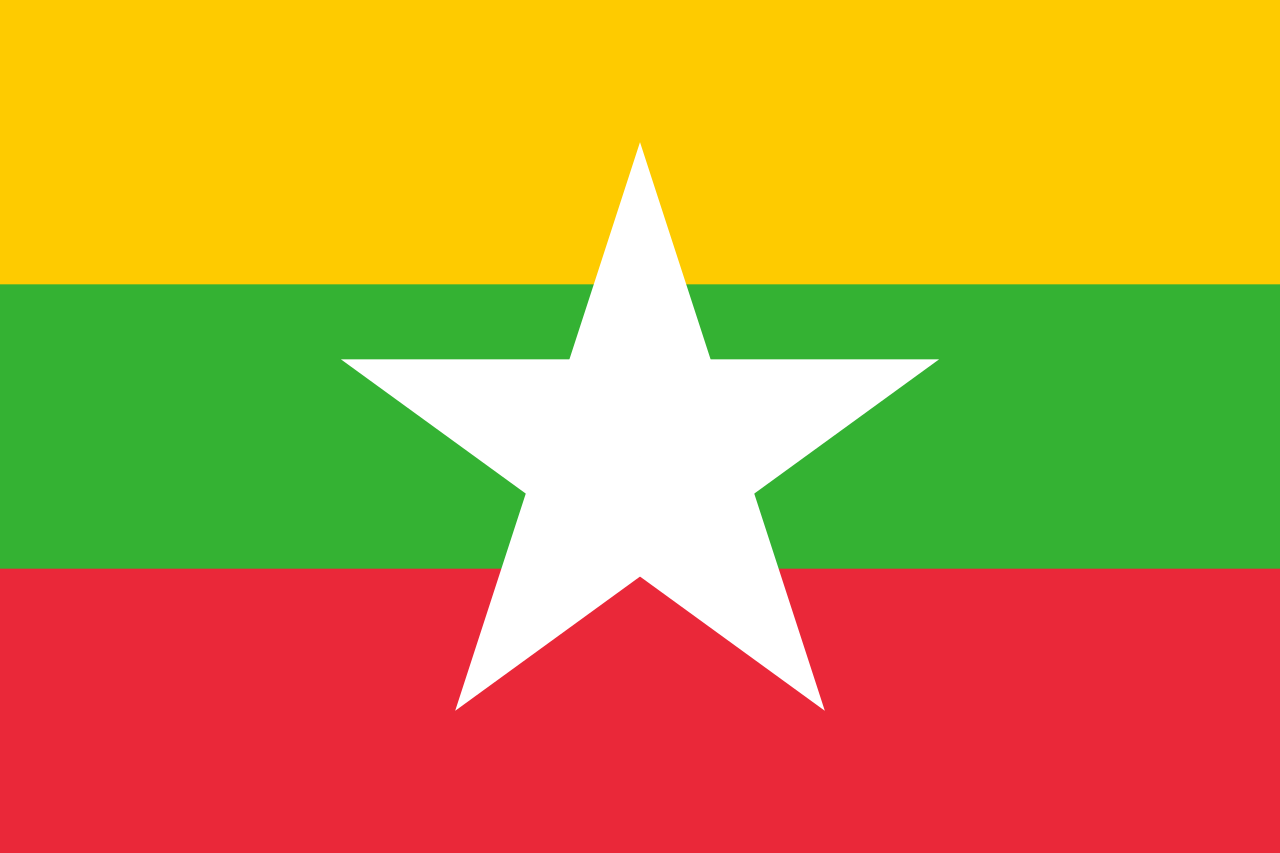
Myanmar
Opens Google Maps in new tab
Geopolitical Landscape and Environmental Diversity
Myanmar, officially the Republic of the Union of Myanmar, occupies a strategically significant position in Northwest Southeast Asia. As the largest country by land area in Mainland Southeast Asia, it shares extensive borders with India and Bangladesh to the northwest, China to the northeast, and Laos and Thailand to the east and southeast. Its southern and southwestern coastlines are defined by the Bay of Bengal and the Andaman Sea.
This varied geography dictates a range of climates, from tropical monsoon in the lowlands to temperate conditions in the highlands, supporting diverse ecosystems. Major river systems, particularly the Irrawaddy, are crucial for agriculture and transportation. The country is rich in natural resources, including jade, gems, oil, natural gas, and teak, and possesses significant potential for renewable energy, especially solar power.
However, its development has been historically hampered by instability, poor infrastructure, and the legacy of colonial exploitation, contributing to its status as one of the least developed countries.
From Ancient Kingdoms to Colonial Rule and Independence
The historical trajectory of Myanmar is marked by the rise and fall of powerful kingdoms and empires. Early civilizations, including the Tibeto-Burman-speaking Pyu city-states and the Mon kingdoms, laid the groundwork for later states. The arrival of the Bamar people in the 9th century led to the establishment of the Pagan Kingdom in the 1050s, a pivotal moment that cemented Burmese language, culture, and Theravada Buddhism as dominant forces.
Following the Pagan Kingdom's collapse due to Mongol invasions, a period of fragmentation ensued, punctuated by the rise of empires like the Taungoo dynasty, which briefly forged the largest empire in Southeast Asian history. The 19th century saw the Konbaung dynasty rule over an expansive territory. However, this era concluded with the Anglo-Burmese Wars, leading to Myanmar becoming a British colony.
After a brief Japanese occupation during World War II, Myanmar declared independence on January 4, 1948, under the Burma Independence Act 1947.
A Tapestry of Peoples and Enduring Cultural Heritage
With a population of approximately 55 million, Myanmar is characterized by its profound ethnic diversity. While the Bamar constitute the majority, numerous other ethnic groups, including the Shan, Karen, Rakhine, and Kachin, contribute to the nation's rich cultural mosaic, each with distinct languages, traditions, and histories. The official language is Burmese, but linguistic diversity is a defining feature.
Theravada Buddhism is the predominant religion, deeply interwoven with the cultural fabric, evident in the countless pagodas and monasteries that dot the landscape. This spiritual heritage influences social norms, festivals, and daily life. Despite periods of political turmoil, traditional arts, crafts, music, and dance continue to thrive, reflecting the resilience and enduring cultural identity of Myanmar's people.
However, ethnic strife and human rights concerns, particularly regarding minority groups, remain significant challenges.
Navigating Governance and Socio-Political Turmoil
Myanmar's post-independence history has been tumultuous, marked by persistent unrest and conflict. The 1962 coup d'état ushered in decades of military dictatorship. A significant turning point was the 8888 Uprising in 1988, which nominally led to a multi-party system, but power remained largely with the military.
The country has faced ongoing civil wars and systemic human rights violations. While a nominally civilian government was installed in 2011 following a general election, and political prisoners were released, the treatment of ethnic minorities, notably the Rohingya, continued to be a source of international concern. The military's seizure of power in a coup d'état following the 2020 general election, leading to widespread protests, violent repression, and the arrest of political leaders like Aung San Suu Kyi, has further destabilized the nation and exacerbated the ongoing civil conflict.
This cycle of political instability profoundly impacts the economy, infrastructure development, and the humanitarian situation, with millions requiring assistance.
Economic Realities and Development Challenges
Myanmar possesses substantial natural wealth, including significant reserves of jade, gems, oil, and natural gas, alongside valuable timber resources. The country also has considerable potential for renewable energy. However, its economic development has been severely constrained by decades of political instability, corruption, and the legacy of military rule.
A significant portion of the economy is controlled by entities linked to the military junta, contributing to one of the world's widest income gaps. This has resulted in Myanmar being classified as one of the least developed countries. Despite periods of economic liberalization and attempts to attract foreign investment, the persistent political turmoil, including the post-coup civil war, has led to widespread displacement, humanitarian crises, and a significant refugee population.
The nation's economic future remains intrinsically linked to its ability to achieve lasting political stability and address systemic issues of governance and human rights.
Go deeper
Frequently Asked Questions
What is Myanmar and where is it located?+
Why is Myanmar known for its gems and jade?+
How did Myanmar become independent?+
What are some of the ethnic groups in Myanmar?+
Why are pagodas important in Myanmar?+
Based on content from Wikipedia · Licensed under CC BY-SA 4.0