

Bhutan: The Land of the Thunder Dragon!
Images

Bhutan


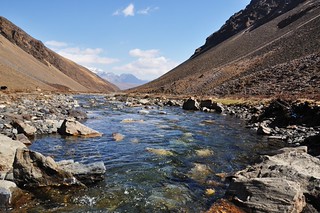


Geopolitical Perch and Ecological Marvel
Nestled in the formidable Eastern Himalayas, Bhutan occupies a strategically significant, yet geographically challenging, landlocked position between the global powers of China and India. Its territory spans approximately 38,394 square kilometers, characterized by extreme altitudinal variations. The nation's geography dramatically transitions from the subtropical plains of its southern border to the formidable, snow-clad peaks of the Greater Himalayas in the north, with numerous summits exceeding 7,000 meters. Gangkhar Puensum, at 7,570 meters, stands as the world's highest unclimbed mountain, a symbol of the country's untouched wilderness and the respect it commands.
This dramatic topography dictates Bhutan's climate, biodiversity, and the distribution of its population, with the majority residing in fertile valleys. The country is a biodiversity hotspot, home to a remarkable array of flora and fauna, including the endemic Himalayan takin (Budorcas taxicolor whitei) and the golden langur (Trachypithecus geei), underscoring its commitment to conservation.
Forging a Nation
Bhutan's historical narrative is one of remarkable resilience and self-determination. The introduction and consolidation of Vajrayana Buddhism, originating from India and Tibet, profoundly shaped its cultural and political landscape. The 17th century marked a turning point with the unification of Bhutan under Zhabdrung Ngawang Namgyal, who established a dual system of governance (spiritual and temporal) and codified laws, creating a distinct national identity.
Despite periods of internal strife and external pressures, Bhutan largely maintained its sovereignty, notably resisting colonization. Its relationship with the British Empire evolved from cautious engagement to a protectorate status, culminating in treaties that granted Bhutan internal autonomy while seeking British guidance on foreign affairs. This arrangement transitioned seamlessly to India post-independence in 1949, with mutual recognition of sovereignty.
Bhutan's deliberate engagement with the international community began in earnest with its admission to the United Nations in 1971, signaling its emergence as a distinct nation-state.
The Guiding Star
Bhutan's most distinctive feature is its national philosophy of Gross National Happiness (GNH), a development paradigm that prioritizes the holistic well-being of its citizens over purely economic metrics. GNH is operationalized through four pillars: sustainable development, environmental protection, cultural preservation, and good governance. This unique approach has led to policies that carefully manage development, particularly tourism, to prevent cultural erosion and environmental degradation.
The Bhutanese people, predominantly of Tibetan and Nepalese descent, maintain strong cultural traditions, evident in their distinctive national dress (the 'gho' for men and 'kira' for women), vibrant festivals (Tshechus), and the pervasive influence of Vajrayana Buddhism in daily life and art. The capital, Thimphu, serves as a microcosm of this balance, blending traditional architecture with modern infrastructure, and is home to approximately 15% of the nation's population.
Sustainable Development and Forward-Thinking Governance
Bhutan's economy is strategically focused on sustainable hydropower, agriculture, and regulated tourism, aiming for self-sufficiency and minimal environmental impact. Hydropower, leveraging the nation's abundant glacial meltwater, is a significant source of revenue and energy independence. Tourism is managed through a high-value, low-impact policy, requiring visitors to pay a substantial daily fee, which contributes to infrastructure development and conservation efforts.
Politically, Bhutan transitioned from an absolute monarchy to a democratic constitutional monarchy in 2008, establishing a bicameral parliament. This move reflects a commitment to inclusive governance and citizen participation. Bhutan is an active member of international organizations like SAARC and the UN, advocating for sustainable development and climate action.
Notably, Bhutan is exploring cutting-edge digital infrastructure, recently announcing the migration of its National Digital Identity system to Ethereum blockchain technology, showcasing a commitment to innovation alongside its traditional values.
Cultivating Minds
Education in Bhutan is viewed as a cornerstone for achieving Gross National Happiness and fostering national development. The government has made significant strides in ensuring universal access to quality education, with a strong emphasis on integrating traditional values and cultural understanding into the curriculum. Since the establishment of the modern education system, Bhutan has focused on developing critical thinking skills alongside vocational training to prepare its youth for diverse economic opportunities.
The curriculum aims to instill a deep appreciation for Bhutanese culture, history, and the environment, ensuring that modernization does not come at the expense of national identity. Higher education institutions and technical training centers are expanding to meet the evolving needs of the country. Bhutan's commitment to education is a vital component of its strategy to build a resilient, prosperous, and happy society, equipping its citizens to navigate the complexities of the 21st century while remaining grounded in their unique heritage.
Go deeper
Frequently Asked Questions
What is Bhutan and why is it called the Land of the Thunder Dragon?+
Why does Bhutan care about happiness instead of just money?+
Where does Bhutan sit in the world and what is its terrain like?+
How does Bhutan protect its animals and mountains?+
What are some special clothes and festivals that Bhutanese people enjoy?+
Based on content from Wikipedia · Licensed under CC BY-SA 4.0