

Nippur
Images

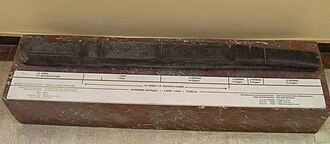
Cuneiform Tablet from Nippur, Sumeria (Modern Iraq) 2300 - 2100 BCE




Geographical and Environmental Context
Nippur, situated in modern-day Al-Qādisiyyah Governorate, Iraq, occupied a strategically significant position within ancient Sumer. Located approximately 200 kilometers south of Baghdad and roughly 100 kilometers southeast of Babylon, its placement was not accidental. The city thrived in the fertile alluvial plain of Mesopotamia, a region defined by the Tigris and Euphrates rivers.
This environment, characterized by warm, arid conditions punctuated by seasonal river floods, necessitated sophisticated irrigation and agricultural practices. The proximity to these vital waterways facilitated transportation, trade, and the dissemination of culture, making Nippur a central node in the Mesopotamian network. The landscape would have been predominantly flat, with the city’s monumental architecture rising above the surrounding plains, a testament to its importance and the human capacity to shape arid environments.
The Divine Mandate
The preeminent significance of Nippur stemmed from its status as the cultic center of Enlil, the Sumerian deity embodying wind, air, and divine authority. Enlil, often referred to as the 'Lord Wind,' was a paramount figure in the Sumerian pantheon, second only to An (Anu), the sky god. His temple, the Ekur, was the spiritual heart of Nippur and, by extension, of Sumer.
This sacred precinct was believed to be the earthly manifestation of Enlil's cosmic power, where divine decrees were issued and the fate of humanity was determined. The city's religious importance attracted pilgrims and tribute from across Sumer and later Akkadian and Babylonian empires, solidifying its role as the ultimate spiritual authority. The concept of divine kingship was deeply intertwined with Enlil's favor, making Nippur a place where political legitimacy was often sought and confirmed.
A Stratified History
The archaeological record at Nippur reveals an extraordinary continuity of human settlement, stretching back to the Ubaid period (Ubaid 2 – Hajji Muhammed), predating 5000 BCE. This deep antiquity underscores Nippur's foundational role in Mesopotamian urban development. Subsequent periods of intense occupation include the Uruk period, a time of significant innovation in writing, urbanism, and administration, and the Jemdet Nasr period, characterized by distinct pottery styles and early state formation.
This prolonged habitation signifies Nippur's resilience and adaptability through various cultural and political transformations. Each era contributed layers to the city's physical and cultural landscape, creating a complex archaeological site that offers invaluable insights into the evolution of Sumerian and Mesopotamian civilization over thousands of years.
Socio-Economic Fabric and Inter-City Relations
The economy of Nippur was fundamentally agrarian, relying on the fertile lands irrigated by the Euphrates and Tigris river systems. Staple crops like barley and emmer wheat were cultivated, forming the basis of sustenance and trade. Beyond agriculture, the city was a hub for craft production, including pottery, textiles, and metalworking.
Its strategic location facilitated extensive trade networks, connecting Nippur with other Mesopotamian city-states and potentially regions further afield. The city's economic prosperity was intrinsically linked to its religious status; offerings and tribute flowed into the Ekur temple complex, supporting a large priestly class and associated laborers. Nippur's influence extended beyond its immediate economic output, as its religious authority often dictated inter-city relations and alliances throughout Mesopotamian history.
Governance and Administration in a Sacred City
While Nippur was primarily recognized as a religious center, it also functioned as a significant political entity, often acting as a neutral ground or a spiritual capital for the broader Sumerian world. Its governance likely evolved over time, from early temple-centered administration to more complex city-state structures. The high priests of Enlil wielded considerable influence, acting as intermediaries between the divine and the human realms.
In periods of political fragmentation, Nippur often maintained its spiritual authority, serving as a unifying force. Later, empires such as the Akkadian, Babylonian, and Assyrian recognized Nippur's sacred status, often incorporating its religious framework into their own imperial ideologies and administrative systems, ensuring its continued importance even under foreign rule.
Go deeper
Based on content from Wikipedia · Licensed under CC BY-SA 4.0