

City
Images

City


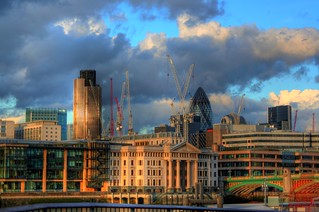


Defining the Urban Fabric
A city is fundamentally a human settlement characterized by substantial size and density, serving as a nexus for non-agricultural activities. While definitions vary globally, a common understanding involves administratively defined boundaries encompassing a permanent, densely populated area. These settlements possess intricate infrastructures for housing, transportation, sanitation, utilities, land use, production, and communication.
The high density inherent in cities facilitates unparalleled interaction between individuals, governmental bodies, and commercial enterprises. This proximity enhances efficiency in the distribution of goods and services, fosters innovation through collaborative exchange, and creates vibrant social and economic ecosystems. Cities are not merely places to live but complex systems designed to optimize human interaction and resource utilization on a grand scale.
The Great Migration
For most of human history, city dwellers constituted a small fraction of the global population. However, the past two centuries have witnessed an unprecedented wave of rapid urbanization. This demographic shift has fundamentally reshaped our planet, with more than half of the world's population now residing in urban areas.
This profound transformation has significant consequences for global sustainability, resource management, and environmental impact. Cities have become the focal points of human activity, driving economic growth and cultural development, but also concentrating environmental pressures. Understanding this historical trajectory is crucial for addressing the challenges and opportunities presented by our increasingly urbanized world.
Cities as Global Hubs
Modern cities function as critical nodes within a globalized network, extending far beyond their immediate geographic boundaries. They are the epicenters of international finance, trade, and innovation, attracting talent and capital from across the globe. Culturally, cities are dynamic melting pots, fostering diverse artistic expressions, culinary traditions, and social movements.
They serve as major centers for education and research, pushing the boundaries of knowledge and technology. The interconnectedness of cities means that events and trends in one part of the world can have rapid and far-reaching impacts on others, making them key players in shaping global discourse and development.
The Double-Edged Sword
Cities hold immense potential for fostering sustainable development. Their density can lead to a smaller ecological footprint per inhabitant compared to sprawling rural areas, due to more efficient transportation and reduced land consumption. Compact cities are often lauded as crucial elements in combating climate change.
However, this concentration also presents significant challenges. Urban heat islands, concentrated pollution, and immense pressure on water supplies and other resources are serious concerns. Addressing these issues requires innovative urban planning, investment in green technologies, and policies that promote equitable and sustainable growth, as highlighted by global initiatives like Sustainable Development Goal 11.
Governance and the Future of Urban Living
The governance of cities is a complex undertaking, involving local authorities, regional bodies, and often national governments. Effective urban governance is essential for managing the vast array of services, infrastructure, and social needs within a city. This includes planning for future growth, ensuring public safety, providing education and healthcare, and implementing policies to address environmental challenges.
As cities continue to grow and evolve, their governance structures must adapt to become more resilient, inclusive, and sustainable, ensuring that urban environments can thrive for generations to come.
Go deeper
Frequently Asked Questions
What is a city?+
Why do so many people live in cities?+
How do cities help the economy and culture?+
What problems do cities have?+
How can cities become more sustainable?+
Based on content from Wikipedia · Licensed under CC BY-SA 4.0