

New South Wales: Australia's Awesome East Coast!
Images
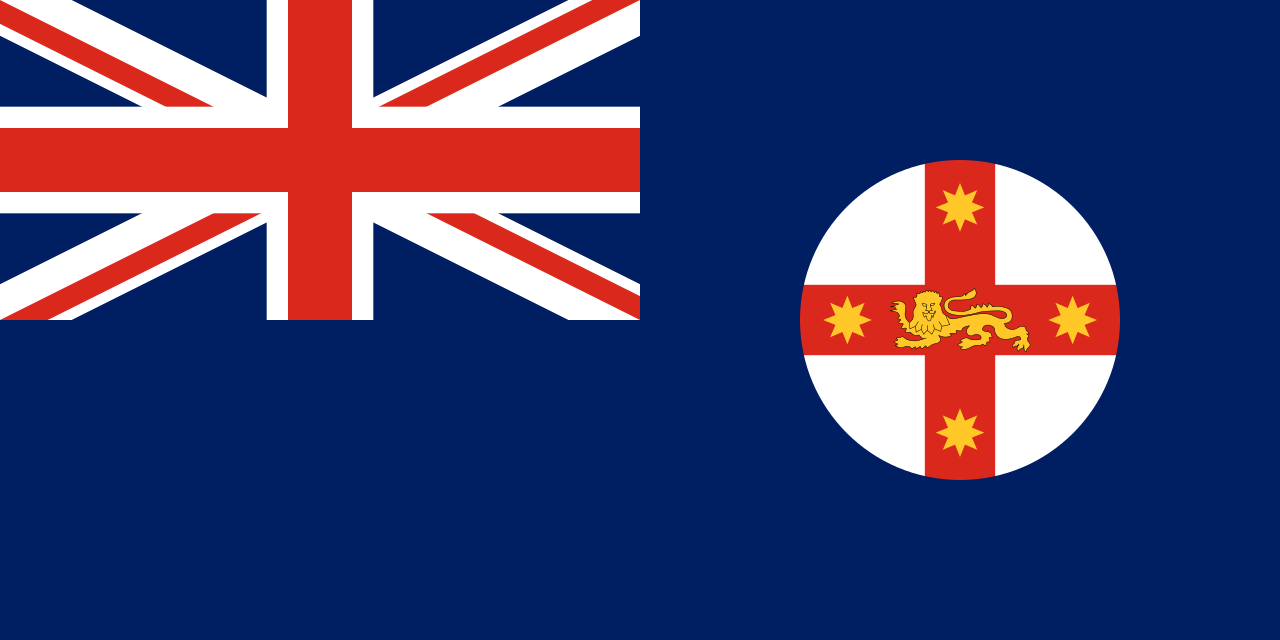
New South Wales
Geographical Foundation and Strategic Location
New South Wales (NSW) occupies a pivotal position on Australia's eastern seaboard, serving as a critical interface between the continent and the Pacific Ocean. Its geographical boundaries are defined by Queensland to the north, Victoria to the south, and South Australia to the west, with its eastern flank embracing the Coral and Tasman Seas. Notably, NSW contains enclaves of the Australian Capital Territory and the Jervis Bay Territory, a unique administrative arrangement.
This strategic location has historically positioned NSW as a primary point of entry and settlement, influencing its development and its role as a gateway to the broader Australian continent. The state's diverse topography ranges from coastal plains and escarpments to the Great Dividing Range and arid inland regions, supporting a wide array of ecosystems and human activities.
A Global City and Demographic Epicenter
Sydney, the capital of New South Wales, stands as Australia's most populous city and a major global financial and cultural hub. The Greater Sydney area is home to over 5.3 million residents, representing nearly two-thirds of the state's total population of more than 8.5 million. This significant demographic concentration underscores Sydney's economic and social dominance within Australia.
Its iconic status is cemented by world-renowned landmarks such as the Sydney Opera House and the Sydney Harbour Bridge, which are not only tourist attractions but also symbols of Australian identity and engineering prowess. The city's multicultural character, fueled by continuous immigration, contributes to its vibrant arts scene, diverse culinary landscape, and dynamic urban environment.
The Genesis
The historical narrative of New South Wales commenced in 1788 with its establishment as a British penal colony. This strategic decision by the British Crown aimed to alleviate overcrowding in British prisons and assert sovereignty in the vast southern continent. Initially, the Colony of New South Wales was an immense territory, encompassing over half of the Australian mainland, with its western boundary extending to the 129th meridian east by 1825.
Its jurisdiction also included significant island territories such as Van Diemen's Land (now Tasmania), Lord Howe Island, and Norfolk Island. This foundational period was characterized by immense hardship, adaptation, and the complex interactions between the colonizers and the Indigenous peoples of Australia.
Evolution of Australian States
Throughout the 19th century, the administrative landscape of Australia underwent a significant transformation as the vast territory of New South Wales was progressively subdivided. Driven by colonial expansion and administrative expediency, large portions of the colony were detached to form new, self-governing British colonies. These entities would eventually evolve into the distinct states and territories that constitute modern Australia.
For instance, the Swan River Colony, later Western Australia, was established independently and never administered as part of New South Wales. This process of fragmentation was crucial in shaping the federal structure of Australia, with NSW serving as the original administrative nucleus from which other colonies emerged.
Contemporary New South Wales
In the 21st century, New South Wales remains Australia's most populous state and a primary engine of the nation's economy. Its diverse economy spans finance, services, manufacturing, and agriculture, supported by a highly skilled workforce and robust infrastructure. Beyond its economic might, NSW is celebrated for its rich cultural heritage, a dynamic fusion of Indigenous traditions, colonial history, and global influences.
The state offers unparalleled natural beauty, from the iconic beaches and the Blue Mountains to the fertile Riverina region and the Snowy Mountains. NSW continues to be a leader in innovation, education, and cultural development, playing an indispensable role in shaping Australia's national identity and its engagement with the global community.
Go deeper
Frequently Asked Questions
Where is New South Wales located on Australia?+
Why did the British start New South Wales in 1788?+
What is the capital city of New South Wales and why is it famous?+
How many people live in Sydney compared to the whole state?+
What happened to the original large territory of New South Wales?+
Based on content from Wikipedia · Licensed under CC BY-SA 4.0