

Tasmania
Images
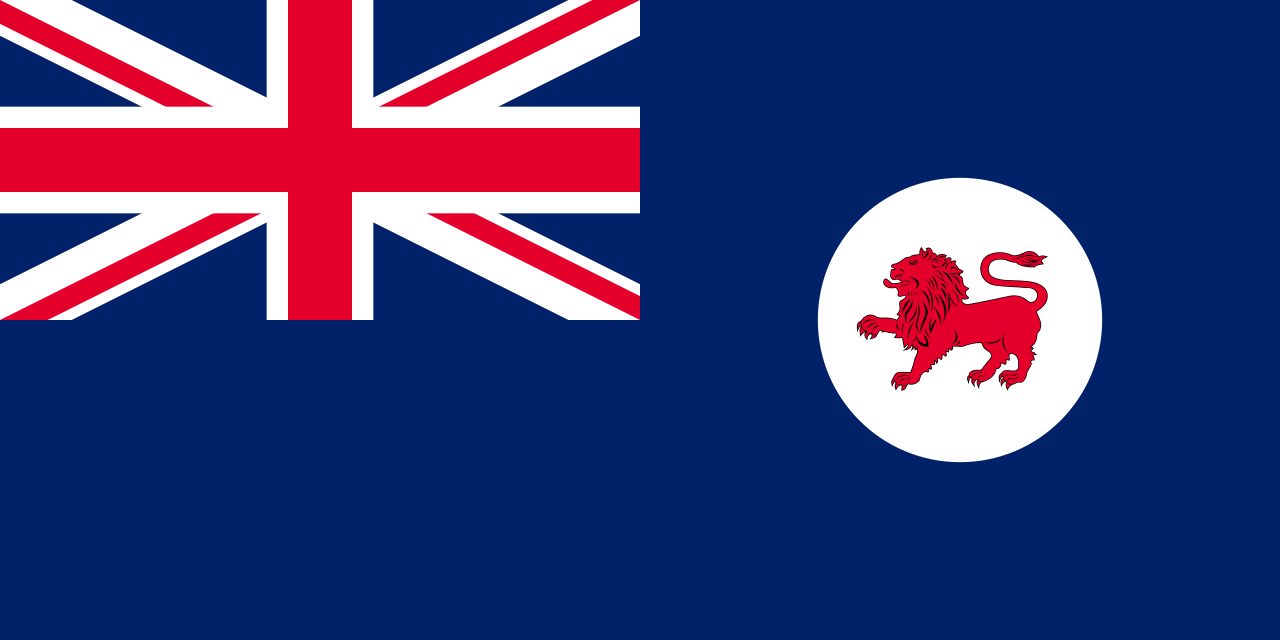
Tasmania
Geographical Isolation and Ecological Significance
Tasmania's identity is intrinsically linked to its geographical isolation. As Australia's only island state, it lies 240 kilometers south of the Australian mainland, separated by the Bass Strait, a significant biogeographical barrier. This isolation has fostered a unique evolutionary path for its flora and fauna, with many endemic species found nowhere else on Earth.
The main island, the 26th largest globally, along with approximately 1,000 smaller islands, constitutes the state's territory. Its diverse topography ranges from alpine regions in the Central Highlands to temperate rainforests and coastal plains. The climate is temperate maritime, characterized by cooler temperatures and higher rainfall than much of mainland Australia, supporting its rich biodiversity.
A remarkable 42% of Tasmania's land area is protected in reserves, including 21% designated as World Heritage Sites, underscoring its global ecological importance and commitment to conservation.
A Deep History
The human history of Tasmania is profound, beginning with the arrival of Aboriginal peoples, the Palawa or Pakana, who inhabited the island for at least 11,700 years. Their deep connection to the land was irrevocably altered with the arrival of Europeans in 1803. Initially established as a penal settlement by the British Empire, the island, then known as Van Diemen's Land, became a place of immense hardship and profound cultural disruption.
The period witnessed violent conflict, notably the Black War (1825-1831), which, alongside introduced diseases, led to a catastrophic decline in the Aboriginal population. The cessation of convict transportation in 1853 and the enactment of a new constitution in 1855 paved the way for the colony to formally change its name to Tasmania in 1856, symbolizing a new era as a self-governing entity and later a founding state of the Commonwealth of Australia in 1901.
Demographics and Cultural Evolution
Tasmania is Australia's smallest and least populous state, with a population of approximately 573,479 as of June 2023. This relatively small population is distributed more evenly across the state compared to mainland Australia, with the capital, Hobart, housing around 40% of residents. While English is the primary language, there is a significant cultural movement focused on the revival and preservation of the indigenous Palawa kani language.
The cultural landscape of Tasmania is a complex interplay of its ancient Aboriginal heritage, its colonial past, and contemporary Australian influences. This is reflected in its arts, festivals, and a strong sense of community, often intertwined with an appreciation for the island's natural environment and a commitment to its preservation.
Economic Landscape
Tasmania's economy is characterized by its reliance on natural resources and its growing tourism sector. It possesses the second-smallest economy among Australian states and territories, but it excels in niche industries. Tourism, particularly eco-tourism, is a major contributor, capitalizing on the island's pristine wilderness and World Heritage Sites.
Agriculture remains a cornerstone, with Tasmania renowned for its high-quality produce, including fruits, vegetables, wine, and seafood, making it a significant agricultural exporter. Aquaculture is another thriving sector. The state's commitment to environmental protection is not just ecological but also economic, with a focus on sustainable practices. Notably, Tasmania was the birthplace of the world's first environmental political party, reflecting a long-standing engagement with ecological issues that continues to shape its economic development and global reputation.
Governance and Educational Framework
As a state of the Commonwealth of Australia, Tasmania operates under a parliamentary constitutional monarchy. Its government comprises a bicameral parliament consisting of the Legislative Council and the House of Assembly. The state government is responsible for a wide range of policy areas, including education, healthcare, and infrastructure.
Tasmania's education system is structured similarly to other Australian states, with compulsory schooling from kindergarten to Year 10. The state boasts several tertiary institutions, including the University of Tasmania, which plays a vital role in research and development, particularly in fields relevant to the island's unique environment and industries, such as marine science, Antarctic studies, and agricultural innovation. The emphasis on environmental education and research reflects Tasmania's broader commitment to sustainability and its unique place in the global ecological landscape.
Go deeper
Frequently Asked Questions
What makes Tasmania different from other parts of Australia?+
Why is Tasmania called a "sleeping bear" shape?+
How do people protect Tasmania's nature?+
When did Tasmania stop being a penal colony?+
What can visitors see in Tasmania?+
Based on content from Wikipedia · Licensed under CC BY-SA 4.0