

Moldavia
Images
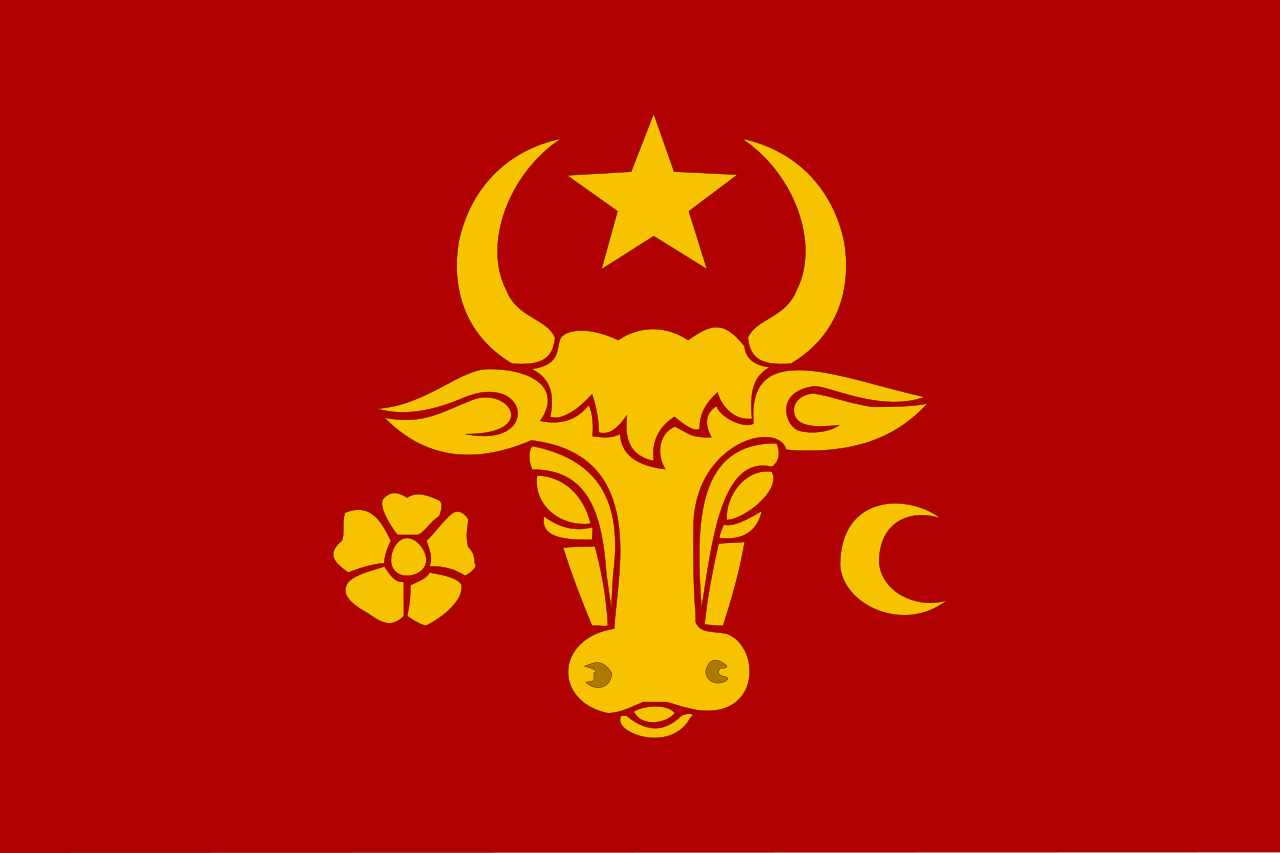
Moldavia
The Genesis and Evolution of the Moldavian Principality
The historical region of Moldavia, known in Romanian as Moldova or Țara Moldovei, emerged as a distinct political entity in the 14th century. Nestled strategically between the formidable Eastern Carpathian Mountains to the west and the expansive Dniester River to the east, its geography played a pivotal role in its development and its interactions with neighboring powers. Initially established as an independent principality, Moldavia navigated a complex geopolitical environment, often caught between the expanding influence of the Kingdom of Poland, the Kingdom of Hungary, and later the Ottoman Empire.
Its early history is characterized by the consolidation of power under local rulers, the development of its own administrative and military structures, and the establishment of a unique cultural identity. Over centuries, its status fluctuated between full independence and varying degrees of autonomy, reflecting the shifting power dynamics of the region. This dynamic existence shaped its internal development and its external relations, making it a key player in the historical narrative of Eastern Europe.
Territorial Fluctuations and Regional Influence
The territorial extent of Moldavia was never static, undergoing significant transformations throughout its existence. At its zenith, the principality's dominion extended beyond its core territory, encompassing regions such as Bessarabia (including the Budjak), the entirety of Bukovina, and Hertsa. For periods, it also included Pokuttya.
These expansions and contractions were often dictated by military successes, political alliances, and the overarching influence of larger empires. The inclusion of Bessarabia, for instance, was particularly significant, as this fertile region became a crucial component of Moldavia's economy and strategic depth. The shifting borders meant that Moldavia interacted with a diverse array of peoples and cultures, contributing to its rich and complex heritage.
Understanding these territorial changes is key to grasping Moldavia's role as a buffer state and a conduit for cultural exchange between Central, Eastern, and Southeastern Europe.
The Culmination
The 19th century marked a period of profound change for Moldavia, culminating in its eventual union with Wallachia. This union, which took place in 1859, was a momentous event that laid the essential foundation for the modern Romanian state. The desire for unification had been growing for some time, fueled by shared language, culture, and a common aspiration for national consolidation in the face of external pressures.
The union was not merely a political merger; it represented the realization of a long-held national ideal. Following the union, the combined entity gradually evolved, eventually leading to the proclamation of the Kingdom of Romania in 1881. The legacy of Moldavia as a distinct historical and cultural entity, however, persisted, influencing the identity and development of the new Romanian nation.
This historical trajectory underscores the complex process of nation-building in 19th-century Europe.
Moldavia's Enduring Legacy in Contemporary Eastern Europe
Although Moldavia ceased to exist as a sovereign principality in 1859, its historical footprint remains indelible on the contemporary map of Eastern Europe. The territory historically associated with Moldavia is now distributed across several modern nations, each carrying a piece of its legacy. The western half of the historical region is an integral part of present-day Romania.
Crucially, the eastern part of Moldavia forms the core of the independent Republic of Moldova, a sovereign state whose very name is a direct testament to the historical principality. Furthermore, northern and southeastern portions of the historical Moldavian lands are now territories within Ukraine. This geographical fragmentation highlights the enduring impact of historical statehood on modern national borders and identities, and the region continues to be a site of rich cultural heritage and complex historical memory.
Key Aspects of Moldavian Identity and Governance
During its existence, Moldavia developed distinct characteristics that defined its identity. Its governance was typically led by a Prince (Voivode), who held significant executive and military authority, often advised by a council of boyars (nobles). The legal system evolved over time, incorporating influences from Byzantine, Polish, and Ottoman law.
Culturally, Moldavia fostered a unique blend of influences, visible in its art, architecture, and religious practices, with Orthodox Christianity playing a central role. The economy was largely agrarian, with significant trade routes passing through its territory, contributing to its strategic importance. The development of the Romanian language, with its distinct Moldavian dialectical variations, also played a key role in shaping its cultural landscape.
These elements combined to create a distinct historical and cultural entity that, despite its eventual dissolution, left a lasting imprint on the region.
Go deeper
Frequently Asked Questions
What was Moldavia and where was it located?+
Why did Moldavia change its borders over time?+
When did Moldavia become part of Romania?+
How did Moldavia interact with neighboring powers?+
What parts of modern countries were once part of Moldavia?+
Based on content from Wikipedia · Licensed under CC BY-SA 4.0