

Lebanon
Images
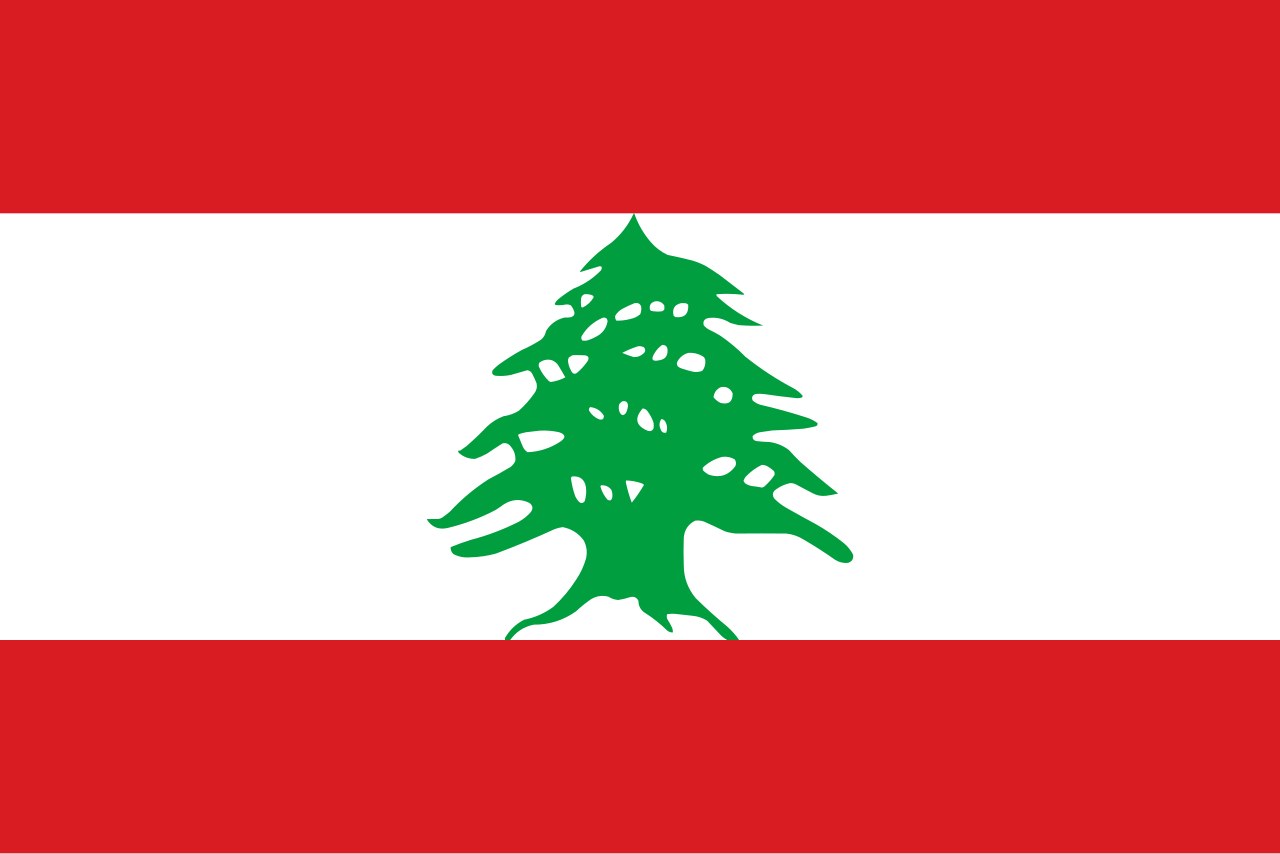
Lebanon
Opens Google Maps in new tab
Geopolitical Nexus
Lebanon occupies a unique and historically significant geographical position at the nexus of the Mediterranean Basin and the Arabian Peninsula. Its relatively small landmass of 10,452 square kilometers is bordered by Syria to the north and east, Israel to the south, and the Mediterranean Sea to the west, with Cyprus a short distance offshore. This strategic location has historically made it a vital corridor for trade and cultural exchange, but also a point of contention and strategic interest for regional and global powers.
The country's topography is dramatically varied, featuring a fertile coastal plain that rapidly ascends into the Lebanon Mountains, which dominate the interior. This mountainous terrain has historically provided natural defenses and fostered distinct regional identities. The climate is Mediterranean, characterized by hot, dry summers and cool, wet winters, supporting diverse ecosystems from coastal flora to alpine vegetation in the mountains, enabling activities like skiing at resorts like Faraya.
This geographical diversity influences everything from agriculture to settlement patterns and has played a crucial role in shaping Lebanon's complex history and identity.
Stratified Pasts
The historical narrative of Lebanon is exceptionally deep and layered, stretching back to Neolithic settlements around 5000 BC. From approximately 3200 to 539 BC, the region was the heartland of Phoenicia, a civilization celebrated for its advanced maritime capabilities, extensive trade networks spanning the Mediterranean, and the development of an alphabet that influenced many others. Following the Phoenician era, the land was absorbed into successive empires, including the Roman and Byzantine Empires, leaving behind impressive architectural remnants.
From the 7th century onwards, it came under the dominion of various Arab Islamic caliphates, including the Rashidun, Umayyad, and Abbasid dynasties. The medieval period witnessed the establishment of Crusader states, followed by the rule of the Ayyubids and Mamluks. The Ottoman Empire controlled Lebanon for centuries, beginning in the early 16th century.
A significant development was the establishment of the Mount Lebanon Mutasarrifate under Ottoman reform, creating a proto-state that offered a degree of autonomy and refuge for Maronite Christians. This long history of diverse rulers and cultural interactions has imbued Lebanon with an exceptionally rich and complex heritage.
A Tapestry of Identities
Lebanon's society is characterized by its remarkable diversity, stemming from a long history of coexistence among various religious and ethnic groups. With a population exceeding five million, Arabic is the official language, but French and English are widely spoken due to historical colonial ties and international engagement, fostering a trilingual environment. The country is renowned for its vibrant cultural scene, particularly its literature, music, and art, which often reflect the nation's complex history and diverse influences.
Lebanese cuisine is a celebrated aspect of its culture, recognized globally for its fresh ingredients and flavorful dishes like tabbouleh, hummus, and manakish. Family ties are exceptionally strong, and hospitality is a deeply ingrained value. A significant feature of Lebanese identity is its extensive diaspora, with millions of Lebanese descendants living across the globe, particularly in the Americas, Europe, and Africa.
This diaspora not only contributes significantly to the global spread of Lebanese culture but also maintains strong economic and emotional ties to the homeland, playing a vital role in the nation's identity and, at times, its economy.
Navigating Modern Complexities
As a developing country, Lebanon faces considerable socio-economic and political challenges. Its economy, historically driven by sectors like banking, tourism, and trade, has been severely impacted by a profound liquidity crisis, widespread corruption, and external shocks, most notably the devastating 2020 Beirut port explosion. This crisis has led to a dramatic collapse of the Lebanese currency, hyperinflation, resource shortages, high unemployment, and increased poverty, with the World Bank classifying it as one of the world's worst economic collapses since the 19th century.
Governance in Lebanon is structured around a unique confessional system, established upon independence in 1943, which allocates political power among major religious groups. While intended to ensure representation, this system has also contributed to political fragmentation and sectarian tensions. Lebanon's foreign policy and regional relations are complex, influenced by its neighbors and international alliances.
Despite these formidable challenges, Lebanon remains a founding member of the United Nations and the Arab League, actively participating in international forums and demonstrating remarkable resilience in its pursuit of stability and recovery.
The Pursuit of Knowledge
Education has historically been a high priority in Lebanon, contributing to its reputation as a center of learning and intellectual life in the region. The educational system is diverse, encompassing public and private institutions, with a significant number of universities and higher education facilities. Lebanese universities, such as the American University of Beirut (AUB) and Saint Joseph University (USJ), are highly regarded internationally and attract students from across the Middle East and beyond.
The curriculum often emphasizes a strong foundation in Arabic language and literature, alongside French and English, reflecting the country's multilingualism. Higher education has been a key sector for Lebanon, fostering skilled professionals in fields ranging from medicine and engineering to business and the arts. Despite the economic challenges, there is a continued societal emphasis on the value of education as a pathway to personal advancement and national development, with a strong tradition of academic excellence and intellectual discourse.
Go deeper
Frequently Asked Questions
What is Lebanon?+
Where is Lebanon located?+
Why are the mountains important in Lebanon?+
How old is Lebanon's history?+
What languages do people speak in Lebanon?+
Based on content from Wikipedia · Licensed under CC BY-SA 4.0