

Palestine: A Land of Stories
Images
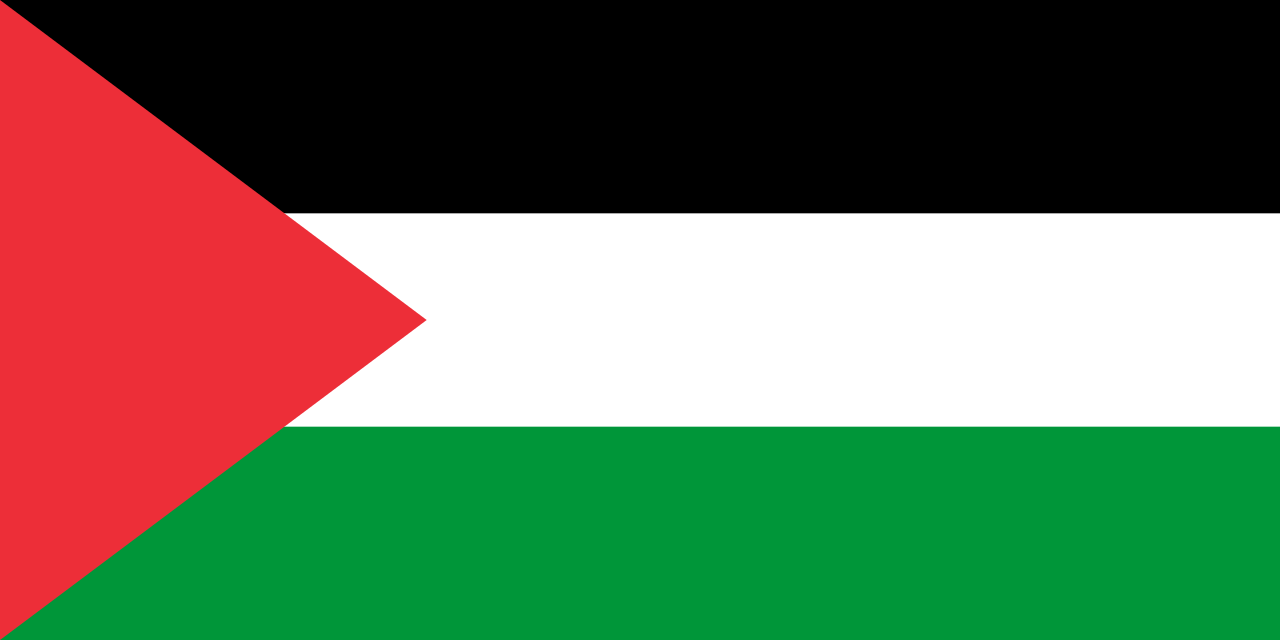
Palestine
A Cradle of Civilizations
Palestine, officially the State of Palestine, is a nation situated in West Asia, comprising the West Bank, including East Jerusalem, and the Gaza Strip. This region, often referred to as the Palestinian territories, occupies a unique geographical position at the crossroads of Africa, Asia, and Europe. Historically, it has been a vital corridor for trade, migration, and military campaigns, influencing its demographic and cultural evolution over millennia.
Its total land area spans 6,020 square kilometers (2,320 sq mi), supporting a population exceeding five million. While Jerusalem is its proclaimed capital, Ramallah serves as the de facto administrative center. The historical significance of Palestine is amplified by its profound religious importance to Judaism, Christianity, and Islam, drawing pilgrims and scholars for centuries and making it a focal point of global spiritual interest.
This deep historical and religious resonance has cemented Palestine's place in the collective consciousness of many cultures.
From Empires to Nationhood
The historical narrative of Palestine is one of continuous change, marked by the rule of numerous empires, including the Egyptians, Assyrians, Babylonians, Persians, Greeks, Romans, Byzantines, and Ottomans. This succession of powers has left an indelible mark on the region's archaeology, architecture, and cultural practices. In the modern era, the region's destiny became intertwined with the rise of Zionism and the aftermath of World War I, during which the British occupied Palestine from the Ottoman Empire.
The establishment of Mandatory Palestine under the League of Nations led to increased Jewish immigration and growing tensions with the Arab population. The United Nations partition plan in 1947 was rejected by Palestinian Arabs and other Arab nations, escalating into civil war. The 1948 Arab-Israeli War resulted in the establishment of Israel and the displacement of a majority of the Arab population, an event known by Palestinians as the Nakba ('catastrophe').
The 1967 Six-Day War saw Israel occupy the West Bank and Gaza Strip, territories previously administered by Jordan and Egypt, respectively, further complicating the political landscape.
Governance and Ongoing Challenges
In response to decades of conflict and occupation, the Palestine Liberation Organization (PLO) declared independence in 1988. A pivotal moment arrived in 1993 with the signing of the Oslo Accords between the PLO and Israel. These accords established the Palestinian Authority (PA), granting it limited self-governance in parts of the West Bank and Gaza Strip.
However, the implementation of the accords has been fraught with difficulties, leading to ongoing disputes over borders, settlements, and security. Israel's unilateral disengagement from Gaza in 2005 did not end its occupation or the blockade imposed on the territory. Internal political divisions, particularly the 2007 takeover of Gaza by Hamas, have further fragmented Palestinian governance, with the Fatah-led PA largely administering the West Bank and Hamas controlling Gaza.
The presence of Israeli settlements in the occupied West Bank and East Jerusalem, housing over 670,000 settlers and deemed illegal under international law, remains a significant point of contention and a major obstacle to peace.
International Recognition, Persistent Struggles, and Cultural Resilience
Palestine holds permanent non-member observer state status at the United Nations and is recognized as a sovereign state by 157 UN member states, underscoring its international legitimacy. However, critical issues such as the final determination of borders, the legal and diplomatic status of Jerusalem, and the right of return for Palestinian refugees remain unresolved. The Palestinian people face significant challenges, including restrictions on movement, the impact of Israeli settlements and settler violence, and a precarious security situation.
Despite these immense difficulties, Palestine maintains an emerging economy and is a destination for tourism, drawn by its rich history and cultural heritage. Arabic is the official language, and while Islam is the predominant religion, Christianity also has a historical presence. Palestine actively participates in international forums, including the Arab League and UNESCO, demonstrating its commitment to global engagement and the preservation of its unique cultural identity amidst ongoing geopolitical complexities.
Go deeper
Frequently Asked Questions
What is Palestine and where is it located?+
Why is Jerusalem important to many religions?+
How did the borders of Palestine change over time?+
What happened during the 1948 Arab-Israeli War?+
Who runs the West Bank and Gaza today?+
Based on content from Wikipedia · Licensed under CC BY-SA 4.0