

Latin Dance
Images

Latin Dance


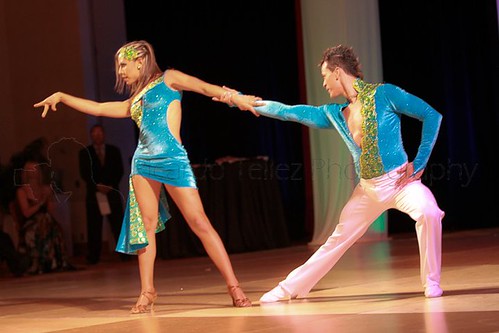
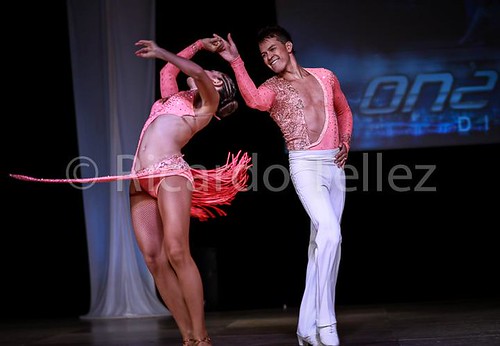
The Genesis of Movement
Latin dance is a broad umbrella term encompassing a vibrant array of partner and folk dances, predominantly originating from Latin America. This geographical designation, however, belies the complex cultural tapestry from which these dances emerged. The foundational influences are a profound synthesis of Indigenous American traditions, European colonial impositions (particularly Spanish and Portuguese), and the indelible rhythms and spiritual expressions of African peoples brought to the Americas through the transatlantic slave trade.
This cross-pollination is evident in virtually every style. For instance, the Rumba, often considered the 'dance of love,' evolved in Cuba from African rhythmic patterns and Spanish dance forms, becoming a powerful expression of sensuality and storytelling. Similarly, Argentinian folk dances like the Chacarera and Escondido showcase distinct regional identities shaped by rural life and historical migrations.
The very definition of Latin dance acknowledges this hybridity, distinguishing it from purely European ballroom forms.
From Parlors to Prosceniums
The evolution of Latin dance is a fascinating journey from intimate social settings to the grand stages of international competition and performance. Initially, many of these dances were deeply embedded in the social fabric of communities, performed at local gatherings, festivals, and domestic celebrations. Dances like the Mambo, which emerged from Cuban musical traditions in the mid-20th century, were initially street dances that exploded in popularity in dance halls.
Over time, certain styles were codified and adapted for ballroom settings. The International Latin dance category in competitive ballroom, for example, includes the Cha-cha-cha, Rumba, Samba, Paso Doble, and Jive. These styles, while retaining their Latin American roots, have been refined for technical precision and performance aesthetics.
Conversely, social Latin dances, often termed 'Street Latin,' like Salsa and Bachata, continue to thrive in clubs and community centers, maintaining a strong connection to their improvisational and social origins.
Anatomy of Expression
The distinctiveness of Latin dance lies in its intricate rhythmic structures and unique embodied dynamics. A hallmark across many styles is the sophisticated use of syncopation, where rhythmic stresses are placed on unexpected beats, creating a dynamic and often playful feel. This is particularly pronounced in Salsa and Merengue music, which compel dancers to execute sharp, percussive movements and isolations.
The characteristic 'Cuban motion,' a continuous, fluid undulation of the hips and torso, is fundamental to dances like the Rumba and Cha-cha-cha, imparting a sensual, grounded quality. Partner work is another defining element, emphasizing a nuanced connection and communication between dancers through subtle lead-and-follow cues, often facilitated by a specific dance frame. The Paso Doble, though originating in France, is categorized as Latin due to its dramatic flair and connection to Spanish bullfighting themes, showcasing a powerful, theatrical interpretation of music and movement.
Cultural Resonance
Latin dances serve as potent vehicles for cultural expression, identity formation, and community building. They are not merely aesthetic pursuits but living traditions that embody the history, values, and social dynamics of the communities from which they spring. For example, Cumbia, a foundational Colombian dance, has regional variations that reflect diverse local cultures and is a staple at virtually every social gathering.
The emergence of dances like Perreo, intrinsically linked to Reggaeton music, highlights the evolving cultural landscape and the ways in which youth express themselves and their contemporary influences, often drawing from Caribbean and Jamaican dancehall traditions. The global proliferation of Latin dance has fostered cross-cultural dialogue, creating international communities of dancers and enthusiasts, and has significantly contributed to the worldwide appreciation of Latin American arts and heritage.
Beyond the Ballroom
While competitive ballroom and popular social dances like Salsa and Bachata often dominate the perception of Latin dance, a rich history of regional folk dances and earlier forms continues to hold cultural significance. Dances like the Cueca from Chile and the various folk dances of Bolivia, such as the Morenada and Caporales, are integral to national identity and are performed during important festivals and cultural events. These dances often tell stories of historical events, agricultural practices, or local legends.
Even dances that have faded from mainstream popularity, like the Cuban Danzón, represent important historical periods and stylistic developments. The study of Latin dance, therefore, requires an appreciation for this broad spectrum, from the highly stylized competitive forms to the deeply rooted, community-based folk traditions that continue to evolve and adapt.
See also
Frequently Asked Questions
What is Latin dance?+
Where do Latin dances like Rumba and Mambo come from?+
Why do Latin dances use a lot of hip movement?+
How do Latin dances mix different cultures?+
What are some Latin dances that people can dance in clubs or at home?+
Based on content from Wikipedia · Licensed under CC BY-SA 4.0