

Dance
Images
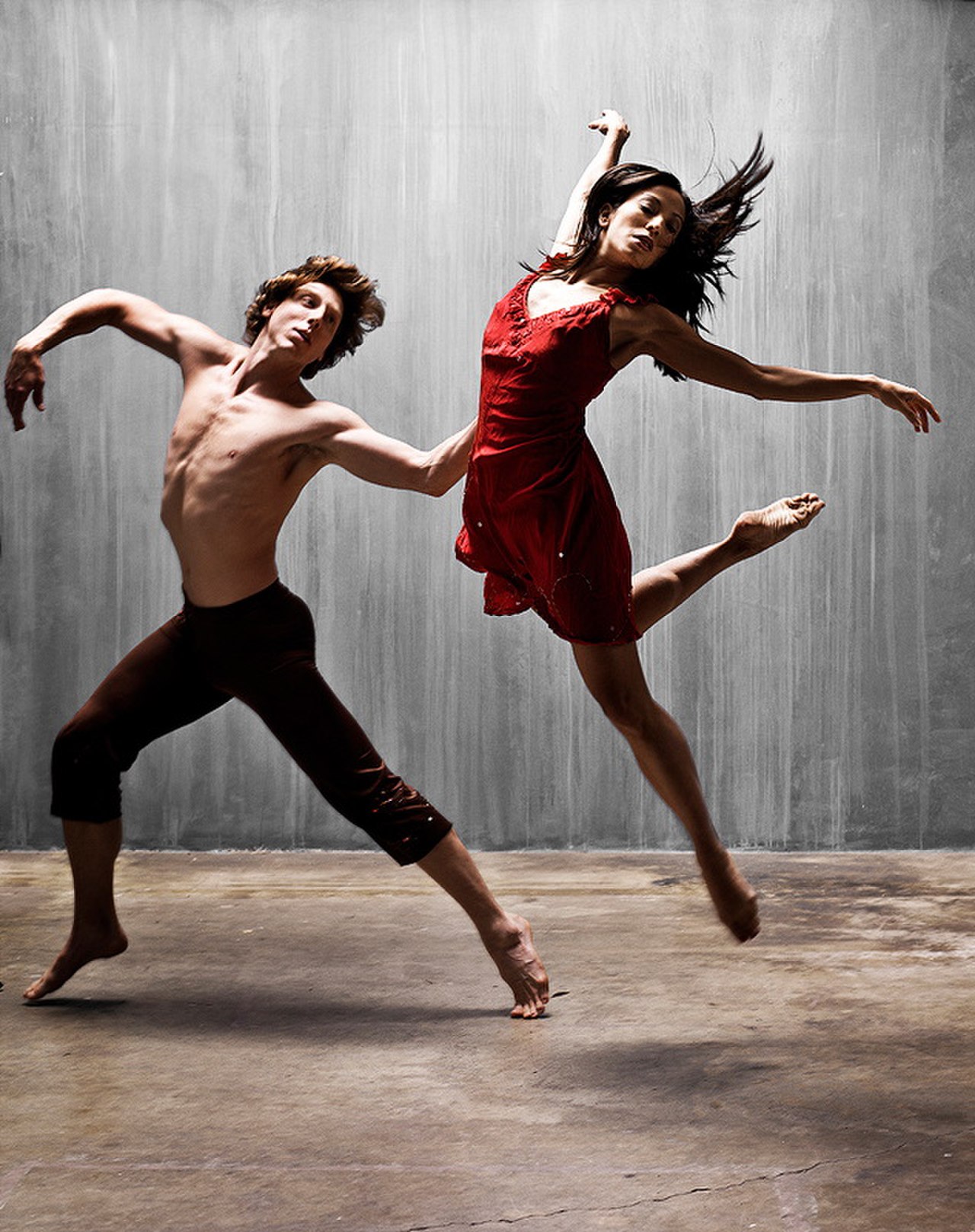
Dance
Defining Dance
Dance is a complex, multifaceted art form that transcends simple physical activity. It is the intentional, rhythmic, and often expressive use of the human body, typically accompanied by music or sound, to communicate ideas, emotions, or narratives. It functions as a fundamental mode of human expression, deeply embedded in cultural practices, social rituals, and artistic endeavors.
The intentionality behind the movement is crucial; dance is not accidental but a deliberate act of communication. Whether exploring abstract concepts, embodying characters, or participating in communal celebrations, dance offers a unique, visceral way to engage with the world and ourselves. Its forms are incredibly varied, ranging from highly codified classical techniques to spontaneous, improvisational explorations, each carrying its own aesthetic principles and communicative potential.
Chronicles of Motion
The history of dance is inextricably linked to the history of humanity itself, with evidence suggesting its origins predate recorded history. Early forms were likely integral to survival and social cohesion: shamanistic rituals for healing or spiritual connection, fertility rites, war dances, and communal celebrations marking harvests or seasonal changes. These early dances served as vital mechanisms for transmitting cultural knowledge, reinforcing social bonds, and expressing collective identity.
As civilizations developed, dance diversified. Courtly dances emerged, reflecting social hierarchies and political power, while folk dances continued to serve community functions and express local traditions. The Renaissance saw the formalization of ballet in Europe, laying the groundwork for a distinct theatrical dance tradition.
The 20th century witnessed a revolution with the advent of modern and contemporary dance, challenging classical conventions and exploring new avenues of expression, often in response to societal shifts and artistic innovation.
The Indispensable Role of Dance in Human Experience
Dance holds profound significance across individual, social, and cultural spheres. On a personal level, it is a powerful tool for physical and mental well-being. It enhances proprioception, coordination, balance, and muscular strength, while also serving as a potent stress reliever and mood enhancer through the release of endorphins.
Cognitively, learning choreography sharpens memory, focus, and problem-solving abilities. Socially, dance is a universal language that fosters connection and community. Group dances build trust, cooperation, and shared identity, acting as powerful social glue.
Culturally, dance is a living archive, preserving traditions, narrating histories, and expressing the unique worldview of a people. It can be a vehicle for social commentary, political protest, or spiritual transcendence, demonstrating its enduring capacity to shape and reflect human experience.
The Art and Science of Bodily Articulation
The practice of dance is a sophisticated interplay of biomechanics, physics, and artistic intent. Dancers develop exceptional kinesthetic awareness, enabling precise control over their bodies in space and time. This involves mastering principles of leverage, momentum, and gravity to execute complex movements like leaps, turns, and balances.
Choreographers act as architects of movement, manipulating elements such as space (levels, pathways, direction), time (tempo, duration, rhythm), and energy (quality of movement, force) to construct compelling sequences. They consider the music's structure and emotional arc, the dancers' technical capabilities, and the desired audience impact. The creation of dance also involves understanding the body's limitations and potential, often pushing boundaries through rigorous training and innovative approaches to movement vocabulary, making it a continuous field of exploration and refinement.
A Global Tapestry
The world of dance is a vibrant testament to human creativity and cultural diversity. From the structured elegance of classical ballet and the expressive freedom of modern dance to the percussive energy of tap, the intricate footwork of Irish dance, and the storytelling traditions of Indian classical forms, each genre offers a distinct lens through which to understand human experience. Global styles like flamenco, samba, tango, and hip-hop are not merely steps but embody the histories, social contexts, and cultural values of their origins.
Contemporary dance continues to push boundaries, often blending styles and engaging with current social and political issues. This rich diversity allows for cross-cultural dialogue, where different dance forms can influence and inspire one another, creating new hybrid styles and fostering a deeper appreciation for the myriad ways humans express themselves through movement.
Go deeper
Frequently Asked Questions
What is dance?+
Why do people dance in celebrations?+
How does dancing help my body and mind?+
Where did dance start?+
Are there different kinds of dance?+
Based on content from Wikipedia · Licensed under CC BY-SA 4.0