

Island Adventures!
Images
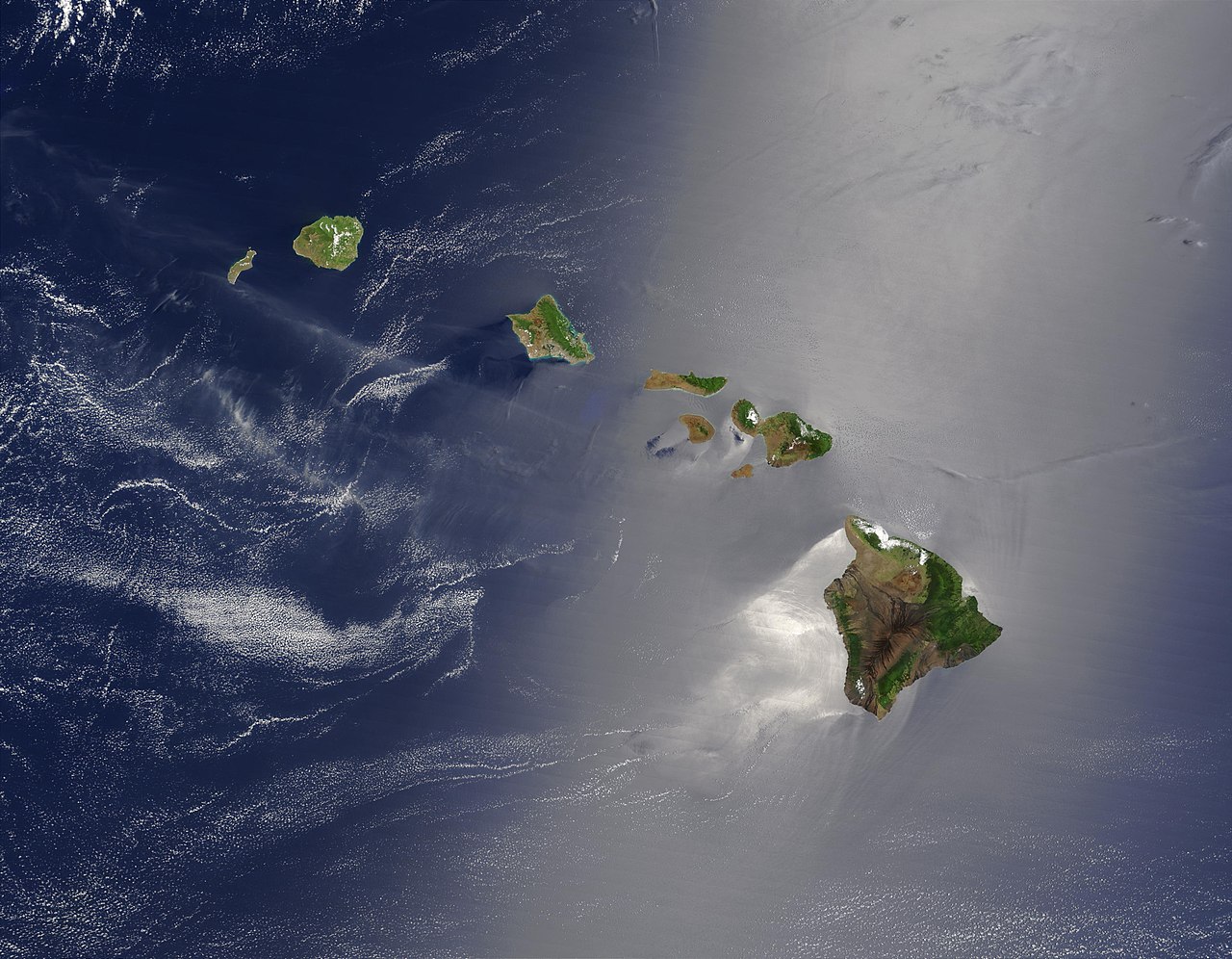
Island
Geological Genesis
Islands represent a spectrum of geological formations, fundamentally distinguished from continental landmasses by their complete isolation within bodies of water. Their origins are rooted in profound geological processes. Continental islands are remnants of larger landmasses, separated by tectonic plate movement, isostatic rebound, or rising sea levels submerging connecting land bridges.
These islands often share geological and biological similarities with their parent continents, reflecting a shared past. In contrast, oceanic islands arise independently from the ocean floor. Volcanic islands, such as those in the Hawaiian archipelago, are formed by hotspot volcanism or mid-ocean ridge activity, building up from basaltic lava flows. Coral islands, or atolls, are a testament to biological construction; they form as coral polyps colonize submerged volcanic islands, building massive reef structures.
As the volcanic core erodes or subsides, the living coral ring remains, often enclosing a lagoon. Barrier islands, typically found along coastlines, are dynamic accumulations of sand and sediment shaped by wave and current action, acting as natural buffers for mainland shores. Even river islands are formed by sediment deposition and debris accumulation within fluvial systems.
Evolutionary Laboratories
The defining characteristic of islands-their isolation-makes them unparalleled natural laboratories for studying evolution. Oceanic islands, in particular, present a 'blank slate' scenario where colonizing species face limited competition and predation. This isolation acts as a powerful selective pressure, driving the evolution of unique adaptations and leading to high rates of endemism, meaning species found nowhere else on Earth.
The classic example is Darwin's finches on the Galápagos Islands, where a single ancestral species diversified into numerous finches with specialized beaks adapted to different food sources. Continental islands, while initially sharing biota with their mainland counterparts, also experience evolutionary divergence over time as geographic separation and differing environmental conditions favor distinct traits. This process can lead to subspecies or even new species evolving, showcasing the power of natural selection in isolated environments.
The fragility of these endemic species makes islands particularly vulnerable to extinction events.
Human Habitation and Cultural Diversity on Islands
Islands have been inhabited by humans for tens of thousands of years, with settlement patterns dictated by geography, technology, and migration routes. Early island colonization often involved sophisticated seafaring capabilities, enabling people to cross vast stretches of ocean. Land bridges, formed during glacial periods, and the fragmentation of continental landmasses also facilitated human expansion onto islands.
Today, islands are home to diverse cultures and approximately 10% of the global population. Their relative isolation has often fostered unique traditions, languages, and social structures. Islands are also significant centers for tourism, valued for their perceived natural beauty, distinct cultural identities, and opportunities for recreation and escape.
This reliance on tourism, however, can create economic vulnerabilities and environmental pressures.
Contemporary Challenges
Island nations and communities face a disproportionate share of the impacts of global climate change. Rising sea levels pose an existential threat to low-lying island states such as Tuvalu, the Maldives, and the Marshall Islands, risking complete inundation and displacement of populations. Increased frequency and intensity of tropical cyclones cause widespread destruction of infrastructure, ecosystems, and livelihoods.
Furthermore, islands are hotspots for biodiversity, but their endemic species are highly susceptible to extinction from climate-induced habitat loss, altered weather patterns, and the introduction of invasive species, which can outcompete native flora and fauna. Historically, many islands experienced colonization, leading to lasting socio-economic and political legacies. Addressing these multifaceted challenges requires integrated approaches to conservation, sustainable development, and international cooperation to mitigate climate change impacts and ensure the resilience of island communities.
Go deeper
Based on content from Wikipedia · Licensed under CC BY-SA 4.0