

Alpine Climate: The Land Above the Trees!
Images

Hardangerviddaflora


Defining the Alpine Zone
The alpine climate is a distinct biome found at high elevations, typically above the natural altitudinal limit for tree growth, known as the tree line. This climatic zone is defined by its consistently low temperatures, reduced atmospheric pressure, and increased exposure to solar radiation. The absence of trees is a primary indicator, leading to landscapes dominated by herbaceous plants, dwarf shrubs, grasses, and mosses, adapted to survive harsh conditions.
The temperature regime is critical; even in summer, average monthly temperatures often remain below 10°C (50°F), with significant diurnal temperature fluctuations. Precipitation patterns vary, but snow cover is common for extended periods, influencing soil development and water availability. This zone is also characterized by strong winds, which can inhibit plant growth and increase evaporative stress. The term 'alpine' originates from the Alps, but similar climatic conditions occur on high mountains worldwide, forming a critical ecological niche.
Ecological Dynamics and Biodiversity in Alpine Regions
Alpine ecosystems, despite their challenging conditions, harbor remarkable biodiversity and play crucial ecological roles. These regions are often referred to as 'islands in the sky' because they are geographically isolated, leading to the evolution of endemic species – those found nowhere else. Animals in alpine zones exhibit specialized adaptations for survival, such as thick fur or plumage for insulation, efficient metabolic rates, and behavioral strategies like hibernation or migration to cope with extreme cold and limited food resources.
For example, species like the pika have dense fur and can survive by consuming dried vegetation stored during warmer months. Plants, too, are highly adapted, often growing low to the ground to minimize wind exposure, possessing deep root systems for stability in thin soils, and exhibiting rapid life cycles to capitalize on short growing seasons. These ecosystems are vital for regulating water cycles, as snowmelt from alpine regions feeds major river systems, impacting downstream human populations and agriculture.
The Global Distribution and Significance of Alpine Climates
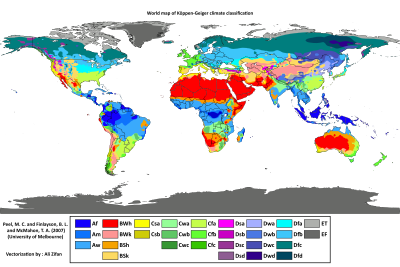
Alpine climates are not confined to a single geographical area but are found on mountain ranges across the globe. Major examples include the Rocky Mountains in North America, the Andes in South America, the Alps in Europe, the Himalayas in Asia, and the Ethiopian Highlands in Africa. Each of these regions presents unique geological histories and environmental pressures, leading to distinct alpine flora and fauna.
The significance of these climates extends beyond their unique biodiversity; they serve as critical indicators of global climate change. As temperatures rise, the tree line tends to advance upwards, encroaching on alpine habitats and threatening species that cannot adapt or migrate further upslope. Monitoring changes in alpine zones provides valuable insights into the broader impacts of global warming on sensitive ecosystems and the services they provide, such as freshwater supply and carbon sequestration.
Challenges and Conservation of Alpine Environments
Alpine environments face increasing pressure from both natural and anthropogenic factors. Climate change is arguably the most significant threat, leading to glacier retreat, altered precipitation patterns, and the potential extinction of cold-adapted species. Human activities, including tourism, recreation, and resource extraction, can also disrupt fragile alpine ecosystems.
The development of infrastructure for skiing and hiking, for instance, can lead to habitat fragmentation and soil erosion. Conservation efforts in alpine regions are therefore complex, requiring a multi-faceted approach. This includes establishing protected areas, implementing sustainable land management practices, and conducting research to better understand the resilience and vulnerability of alpine species and ecosystems. International cooperation is often necessary, given that mountain ranges and their associated climates transcend national borders, highlighting the interconnectedness of global environmental challenges.
See also
Frequently Asked Questions
What is an alpine climate?+
Why are there no trees in alpine climates?+
How do animals survive in alpine climates?+
Where can we find alpine climates around the world?+
Why are alpine climates important for people?+
Based on content from Wikipedia · Licensed under CC BY-SA 4.0