

Mountain
Images
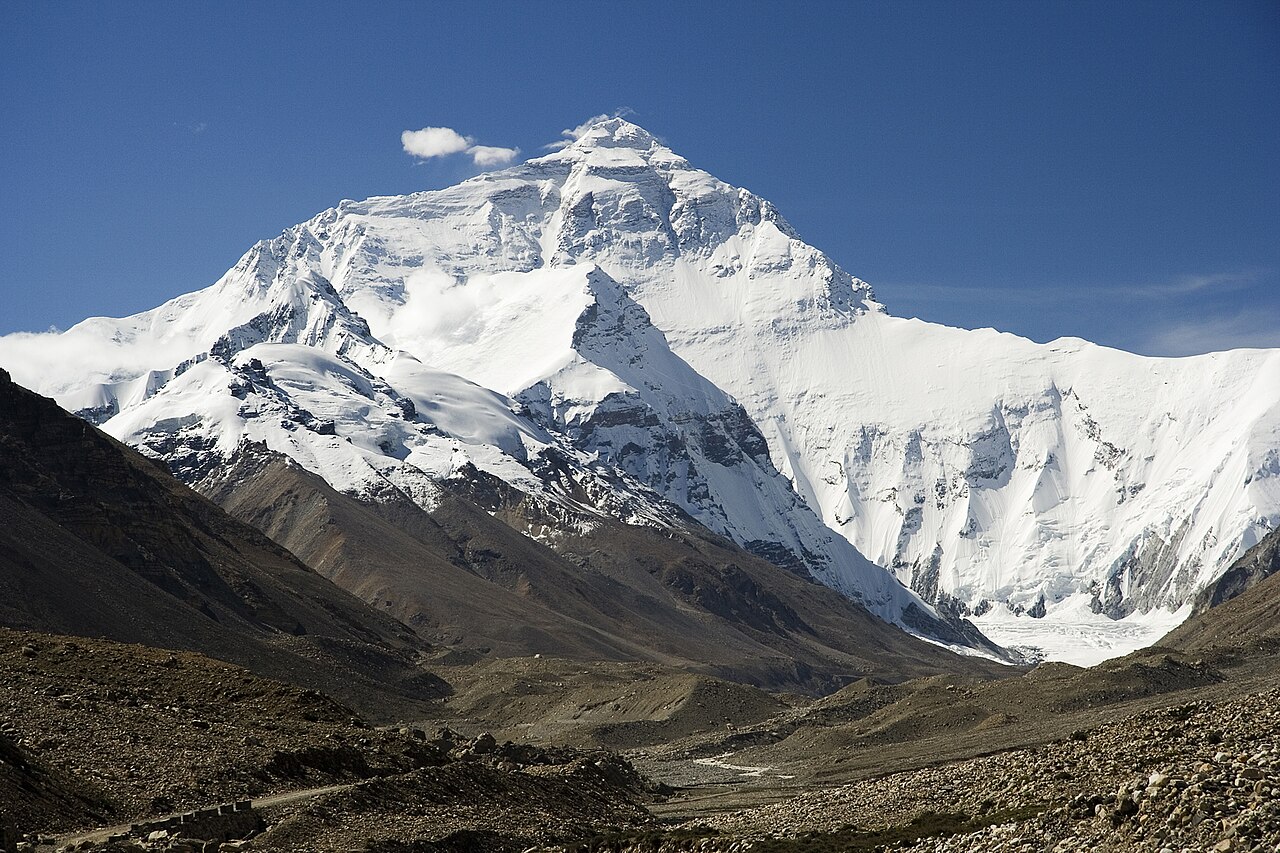
Mountain
Economy
Economic activity is primarily extractive. Mining and logging are the dominant industries, as the terrain is generally unsuitable for large-scale agricultural development.
History
The formation of mountains occurs over tens of millions of years. Post-orogenic development involves mass wasting, slumping, and glacial erosion, which gradually reduce the elevation of the peaks.
Education
Academic study of mountains involves geology, climatology, and ecology. Researchers analyze the life cycle of mountains from tectonic uplift to final erosional leveling.
Geography
Mountains are distinguished from plateaus by their limited summit area. Their ecosystems are highly stratified due to the lapse rate, where temperature decreases with altitude.
Government
Political governance of mountain ranges is determined by international borders. Management often involves environmental protection policies to preserve fragile mountain ecosystems.
Culture & People
Human activity in mountain regions is heavily influenced by the inhospitable terrain. Cultural practices often revolve around adaptation to high-altitude environments and recreational tourism.
Go deeper
Frequently Asked Questions
What is a mountain?+
How tall is a mountain?+
Why are mountains steep?+
How do mountains form?+
Are mountains the same as hills?+
Based on content from Wikipedia · Licensed under CC BY-SA 4.0