

The Big Vote in North Carolina: 2020 Election Adventure!
Images

Seal Of North Carolina


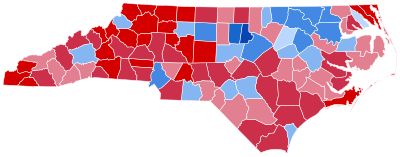
North Carolina's Shifting Political Terrain
North Carolina, a state with a rich history and a dynamic economy, has become an increasingly critical battleground in American presidential politics. Its demographic shifts, including a growing urban and suburban population alongside a strong rural base, create a complex electoral calculus. In the 2020 election, the state's 15 electoral votes were highly coveted.
Historically, North Carolina has leaned Republican in presidential elections, with notable exceptions like Barack Obama's victory in 2008. However, the margins have often been tight, indicating a populace that is not monolithically aligned. The state's unique blend of Southern tradition and burgeoning metropolitan influence makes it a fascinating case study in contemporary American political polarization and realignment.
Understanding North Carolina's electoral behavior requires looking beyond simple party affiliation to factors like urbanization, education levels, and economic anxieties.
The 2020 Campaign
The 2020 presidential election in North Carolina mirrored the intense national division. The Republican ticket of incumbent President Donald Trump and Vice President Mike Pence faced a strong challenge from the Democratic ticket of former Vice President Joe Biden and Senator Kamala Harris. The campaign was characterized by high stakes and significant resources invested by both parties.
Pre-election polling consistently indicated an extremely close race, with most reputable forecasting models, including FiveThirtyEight, Inside Elections, and Sabato's Crystal Ball, predicting a narrow Biden victory or classifying the state as a tossup. This consensus among analysts underscored the perception of North Carolina as a key swing state, where voter turnout and persuasion efforts would be paramount. The candidates and their surrogates made frequent campaign stops, aiming to mobilize their respective bases and appeal to undecided voters in a highly charged political atmosphere.
An Unconventional Victory
The final results from the November 3, 2020 election revealed a victory for Donald Trump, but with a margin that defied many predictions. Trump secured 49.93% of the popular vote, narrowly defeating Joe Biden's 48.59%. This 1.34% margin of victory was Trump's closest win in any state during the 2020 election and was tighter than his 3.67% win over Hillary Clinton in 2016.
Most strikingly, North Carolina was the only state in the nation where the winning presidential candidate failed to achieve a majority of the vote. This phenomenon, where a candidate wins with a plurality but not a majority, is not uncommon in multi-candidate races, but in a two-major-party contest, it signifies a deeply divided electorate. Trump's win in North Carolina, alongside his improved performance in Florida, was viewed as a significant outcome that contributed to the overall national result.
Analyzing the Discrepancy
The outcome in North Carolina presented a challenge to the predictive models that had favored Joe Biden. This discrepancy raises important questions about the accuracy of polling in highly polarized environments and the effectiveness of various campaign strategies. Factors such as late-deciding voters, the impact of third-party candidates (though less significant in presidential races), and variations in voter turnout between different demographics and geographic areas likely played a role.
The state's performance was 5.8% more Republican than the national average, indicating a continued Republican lean, yet the shrinking margin compared to previous elections suggests a gradual shift or at least increased competitiveness. Trump's ability to win North Carolina without securing over 50% of the vote highlights the complexities of modern electoral dynamics and the importance of understanding the nuances of voter behavior beyond broad polling averages.
See also
Frequently Asked Questions
What made North Carolina a very close state in the 2020 election?+
Who won the 2020 presidential election in North Carolina and by how much?+
Why did no one get more than half of the votes in North Carolina?+
How many electoral votes does North Carolina have?+
What did the polls say before the election and how did the real results differ?+
Based on content from Wikipedia · Licensed under CC BY-SA 4.0