

Barack Obama
Images
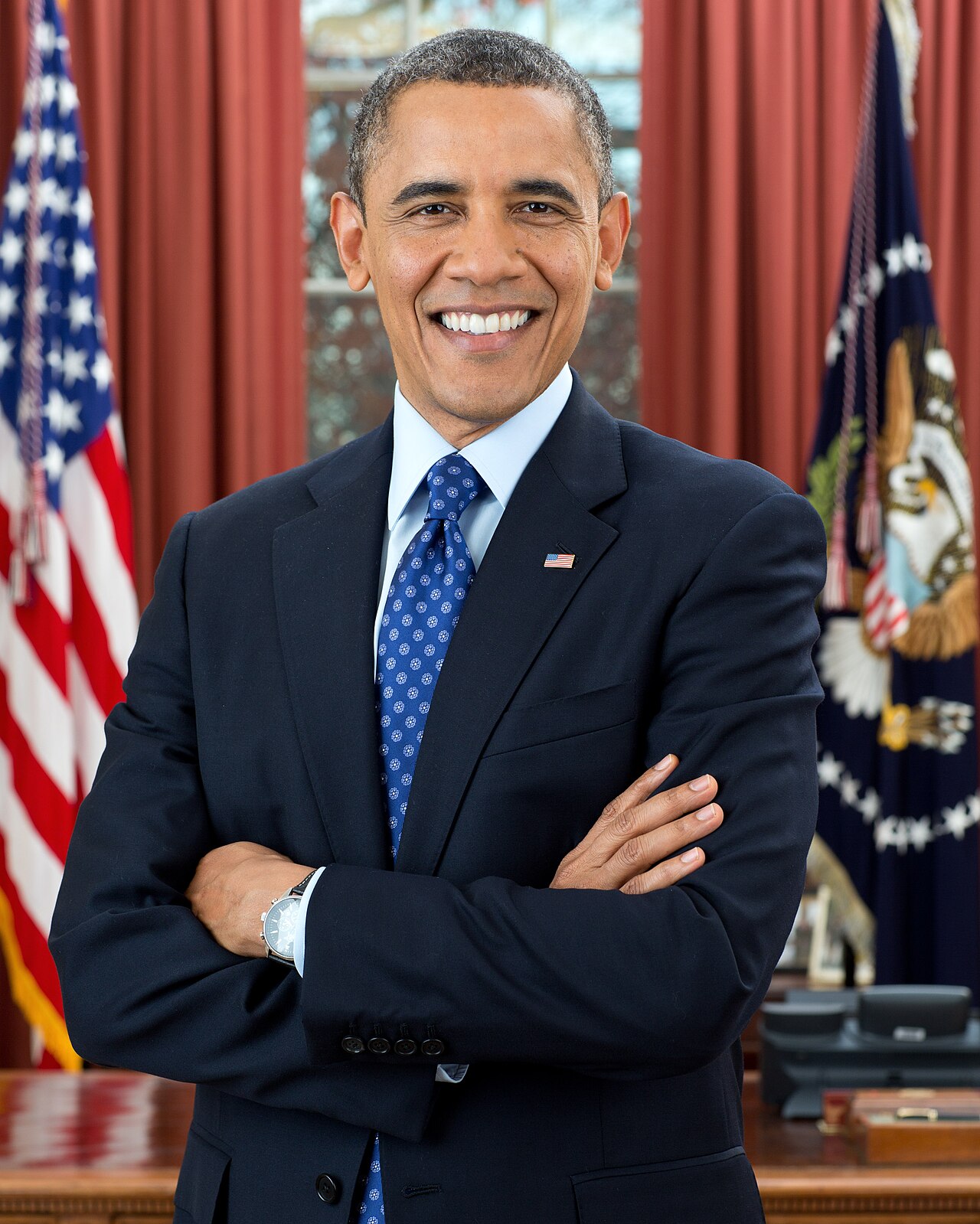
Barack Obama
Early Life and Formative Years
Born on August 4, 1961, in Honolulu, Hawaii, Barack Obama’s upbringing was uniquely multicultural. His mother, Ann Dunham, was an American from Kansas, and his father, Barack Obama Sr., was a Kenyan economist. Following his parents' divorce, Obama lived in Indonesia for four years starting in 1967, where he attended local schools and achieved fluency in the Indonesian language.
Returning to Hawaii in 1971, he lived with his maternal grandparents and attended the prestigious Punahou School. These formative years, characterized by a blend of diverse cultural influences, shaped his worldview. Obama later attended Occidental College before transferring to Columbia University, where he earned a degree in political science.
His academic journey culminated at Harvard Law School, where he achieved national recognition as the first Black president of the Harvard Law Review. This period was marked by intellectual growth and a developing interest in race relations and social justice, themes that would later define his political career.
Community Organizing and Legislative Career
Before entering national politics, Obama dedicated himself to community organizing in Chicago. From 1985 to 1988, he worked with the Developing Communities Project, focusing on job training and tenants' rights in underserved neighborhoods. This grassroots experience provided him with a deep understanding of the challenges facing urban communities.
He later taught constitutional law at the University of Chicago Law School for over a decade. His political career began in 1996 with his election to the Illinois State Senate, followed by a successful campaign for the U.S. Senate in 2004.
During his time in the Illinois Senate, he worked on significant voter registration initiatives, such as Project Vote, which registered 150,000 new voters. His legislative work was characterized by a focus on ethics, healthcare, and criminal justice reform, establishing him as a rising star within the Democratic Party.
The Presidency
In the 2008 presidential election, Obama defeated Republican nominee John McCain, becoming the first African American president. His administration began during the height of the 2008 financial crisis, leading to the passage of the American Recovery and Reinvestment Act of 2009. A cornerstone of his domestic policy was the Affordable Care Act, which aimed to expand health insurance coverage.
Internationally, his administration navigated the end of the Iraq War and the 2011 military intervention in Libya. In 2011, he authorized Operation Neptune Spear, the raid that resulted in the death of Osama bin Laden. Obama’s foreign policy also included the Joint Comprehensive Plan of Action with Iran and the normalization of relations with Cuba.
He was awarded the 2009 Nobel Peace Prize, reflecting his emphasis on international diplomacy and multilateral cooperation.
Policy Initiatives and Second Term
During his second term, following his 2012 victory over Mitt Romney, Obama focused on climate change, gun control, and social equality. He signed the Paris Agreement, an international treaty aimed at reducing carbon emissions. Following the Sandy Hook Elementary School shooting, he advocated for stricter gun control measures.
His administration also took significant steps toward LGBTQ inclusion, as he became the first sitting president to publicly support same-sex marriage. He also addressed Russian interference in the 2016 U.S. elections by initiating sanctions. His approach to military conflict shifted from the counterinsurgency models of his predecessor to a greater reliance on special forces and air strikes.
These policies reflected a complex balance between maintaining national security and reducing the American military footprint in long-standing conflicts like those in Afghanistan and Iraq.
Post-Presidency and Legacy
Since leaving office in 2017, Barack Obama has remained a prominent voice in American politics, campaigning for Democratic candidates and continuing to advocate for his policy priorities. He has authored three books: 'Dreams from My Father' (1995), 'The Audacity of Hope' (2006), and 'A Promised Land' (2020). His personal life, shared with his wife Michelle and their daughters Malia and Sasha, has been a subject of public interest, as has his commitment to charitable causes, such as supporting veterans' families.
As of October 2026, he is the youngest-living former U.S. president. Historians and political scientists continue to evaluate his presidency, often ranking him highly for his efforts to stabilize the economy and his legislative achievements. His legacy is defined by his role as a barrier-breaking leader who navigated the United States through a period of significant economic and social change.
Go deeper
Based on content from Wikipedia · Licensed under CC BY-SA 4.0