

The Amazing Yungas!
Images

Yungas Manakin (Chiroxiphia boliviana)





Geographical and Climatic Dynamics of the Yungas
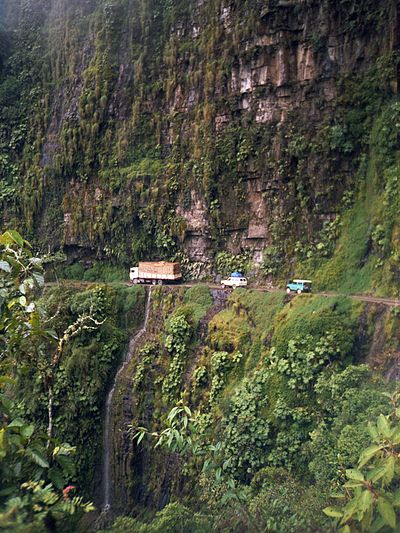
The Yungas bioregion constitutes a narrow, elongated band of forest situated along the eastern escarpment of the Andes Mountains. This distinctive ecological zone extends from Peru, through Bolivia, and into the northwestern reaches of Argentina. Its geographical position is paramount, serving as a crucial interface between the arid, high-altitude Andean plateaus and the vast, humid Amazonian lowlands.
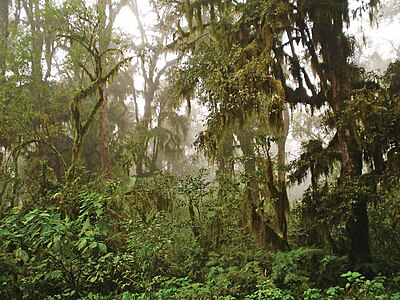
This transitional character dictates its unique climate: consistently rainy, humid, and warm, often described as a humid subtropical highland climate. The steep Andean slopes create dramatic elevation gradients, leading to rapid changes in temperature and precipitation over short horizontal distances. This complex topography fosters diverse microclimates, supporting a rich mosaic of vegetation types, from cloud forests at higher elevations to montane forests lower down, all contributing to the region's ecological significance.
Biodiversity Hotspot and Evolutionary Crucible
The Yungas are globally recognized as a biodiversity hotspot, a testament to their unique environmental conditions. The confluence of Andean and Amazonian influences, coupled with the varied altitudinal range, has resulted in an extraordinary array of flora and fauna. This region harbors a significant number of endemic species, meaning they are found nowhere else on Earth.
The stable, humid climate provides a refuge for many species that might struggle in more extreme environments. Evolutionary processes have been particularly active here, driven by geographic isolation and diverse ecological niches. The Yungas act as a critical corridor for species migration and gene flow between the highlands and the lowlands, playing a vital role in the broader Neotropical realm's ecological integrity and genetic diversity.
Protecting this region is essential for conserving a significant portion of the world's biological heritage.
Historical Human Interaction and Cultural Significance
While the provided source focuses on the natural aspects of the Yungas, their historical human interaction is intrinsically linked to their geography. For millennia, indigenous populations utilized these transitional zones as vital travel routes and resource bases, connecting the Andean civilizations with the Amazon basin. The rich biodiversity offered sustenance, medicinal plants, and materials for tools and shelter.
The names 'Yungas' themselves, derived from Aymara and Quechua words meaning 'warm or temperate Andes or earth' and 'warm area on the slopes of the Andes,' reflect the deep understanding ancient peoples had of this environment. These linguistic roots highlight the cultural importance of these temperate slopes as distinct and valuable territories within the broader Andean cultural landscape, influencing settlement patterns and subsistence strategies.
Ecological Services and Modern Relevance
The Yungas provide indispensable ecosystem services that extend far beyond their geographical boundaries. Their dense forest cover plays a critical role in regulating hydrological cycles, capturing significant amounts of rainfall and releasing it gradually, thereby sustaining river systems vital for downstream agriculture and human consumption. The forests also act as a substantial carbon sink, helping to mitigate climate change by absorbing atmospheric carbon dioxide.
Furthermore, the Yungas are a crucial buffer against soil erosion on the steep Andean slopes. In contemporary times, the Yungas face increasing pressures from deforestation, agricultural expansion, and infrastructure development. Their continued existence is paramount not only for biodiversity conservation but also for ensuring the long-term environmental stability and resource security of the wider region, underscoring their relevance in global environmental discussions and conservation strategies.
Education and Research in the Yungas
The Yungas serve as an invaluable living laboratory for scientific research and environmental education. Their exceptional biodiversity and unique ecological transitions offer unparalleled opportunities to study species adaptation, evolutionary processes, and the intricate relationships within complex ecosystems. Researchers are drawn to the Yungas to investigate everything from the impact of climate change on cloud forest dynamics to the ethnobotany of indigenous communities.
Educational initiatives often focus on raising awareness about the region's ecological importance and the threats it faces. Understanding the Yungas' role in regional climate regulation, water cycles, and carbon sequestration provides critical data for conservation planning and sustainable development policies. The ongoing study and education surrounding the Yungas are vital for fostering stewardship and ensuring the preservation of this irreplaceable natural heritage for future generations.
See also
Frequently Asked Questions
What are the Yungas?+
Why is the Yungas climate special?+
Where do the Yungas stretch across?+
Why are the Yungas important for animals?+
How do the Yungas help people and the planet?+
Based on content from Wikipedia · Licensed under CC BY-SA 4.0