

Worcester, Massachusetts
Images

Greendale Mall (Worcester, Massachusetts)




The Engine of Industry
Worcester, strategically positioned as the 'Heart of the Commonwealth' due to its central location in Massachusetts, boasts a rich history deeply intertwined with industrial development. Founded in 1722 and incorporated as a city in 1848, its transformation into a major manufacturing center was propelled by critical infrastructure. The Blackstone Canal and an extensive railway network served as vital arteries, facilitating the efficient import of raw materials like iron and coal, and the export of finished goods such as machinery, textiles, and wire.
This industrial boom attracted a significant influx of European immigrants, who provided the labor force that fueled the city's growth and shaped its early demographic landscape. The sheer scale of production meant Worcester was a powerhouse, contributing significantly to the nation's industrial output. Imagine the constant hum of machinery and the bustling activity of workers, a stark contrast to the quieter, more modern city of today.
This era laid the foundation for Worcester's identity, leaving behind a legacy of innovation and hard work.
Resilience and Renewal
The post-World War II era marked a significant turning point for Worcester. As manufacturing industries across the United States began to decline, Worcester experienced economic challenges and a decrease in population. However, the city demonstrated remarkable resilience.
Beginning in the 1990s, a concerted effort towards urban renewal and economic diversification began to reshape its future. Key sectors like higher education, medicine, and biotechnology emerged as new engines of growth. The presence of numerous colleges and universities, including prestigious institutions like Worcester Polytechnic Institute (WPI) and Clark University, attracted a new generation of students and researchers, fostering an environment of innovation.
Furthermore, the city's growing immigrant population, with significant communities from Vietnam, Brazil, Albania, and many other nations, has injected new cultural vitality and economic dynamism. This demographic shift, with 22% of the population born outside the U.S., has transformed Worcester into a truly multicultural metropolis, a testament to its ability to adapt and thrive.
A Tapestry of Cultures
Worcester's identity today is profoundly shaped by its vibrant and diverse population. It is a city where numerous cultures coexist and contribute to its unique character. Significant communities from Vietnam, Brazil, Albania, Puerto Rico, Ghana, the Dominican Republic, Ireland, England, Italy, Greece, and Jewish traditions have established roots, creating a rich mosaic of traditions, languages, and cuisines.
This extensive diversity means that Worcester offers a global experience right within Massachusetts. The city's integration with the Greater Boston area, facilitated by major highway construction like Route 146 and interstates 90, 495, 190, 290, and 395, has further enhanced its connectivity and accessibility. Worcester now stands as the western edge of the Boston–Worcester–Providence Combined Statistical Area, a testament to its growing regional importance and its role as a dynamic hub within New England.
The Academic Heartbeat
Worcester is a formidable center for higher education, home to eight distinct colleges and universities. This concentration of academic institutions makes it a significant destination for students seeking advanced learning and research opportunities. Institutions such as the College of the Holy Cross, Worcester Polytechnic Institute (WPI), Clark University, and Worcester State University are renowned for their contributions to various fields.
WPI, for instance, is a leader in science, engineering, and technology, fostering innovation and practical problem-solving. Clark University is recognized for its strong programs in the humanities and social sciences, while the College of the Holy Cross offers a distinguished liberal arts education. This robust academic ecosystem not only educates its students but also contributes to the city's intellectual capital, driving research, development, and cultural enrichment.
The presence of these institutions ensures Worcester remains a dynamic environment for intellectual growth and discovery.
Architectural Echoes
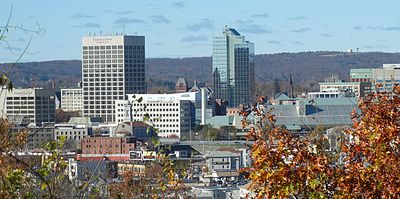
The architectural landscape of Worcester tells a compelling story of its historical evolution. The city is characterized by its well-preserved 19th-century triple-decker houses, a housing style that reflects the era's urban growth and the need for multi-family dwellings. These structures, often found in distinct neighborhoods, offer a glimpse into the lives of working-class families during the industrial age.
Complementing these residential buildings are the imposing Victorian-era mills, remnants of Worcester's manufacturing prowess. These former industrial giants, with their distinctive brickwork and large windows, stand as monuments to the city's productive past. Adding to Worcester's unique charm are its numerous lunch-car diners, such as the iconic Miss Worcester.
These diners, often featuring classic Art Deco designs, represent a distinct American culinary and architectural tradition, providing a nostalgic and welcoming atmosphere. Together, these architectural elements create a visual narrative of Worcester's journey from an industrial powerhouse to a modern, multifaceted city.
See also
Frequently Asked Questions
Why is Worcester called the "Heart of the Commonwealth"?+
How did Worcester become a big factory town in the 1800s?+
Why did Worcester change after World War II?+
Where do many people in Worcester come from?+
What colleges are in Worcester?+
Based on content from Wikipedia · Licensed under CC BY-SA 4.0