

Vietnam
Images
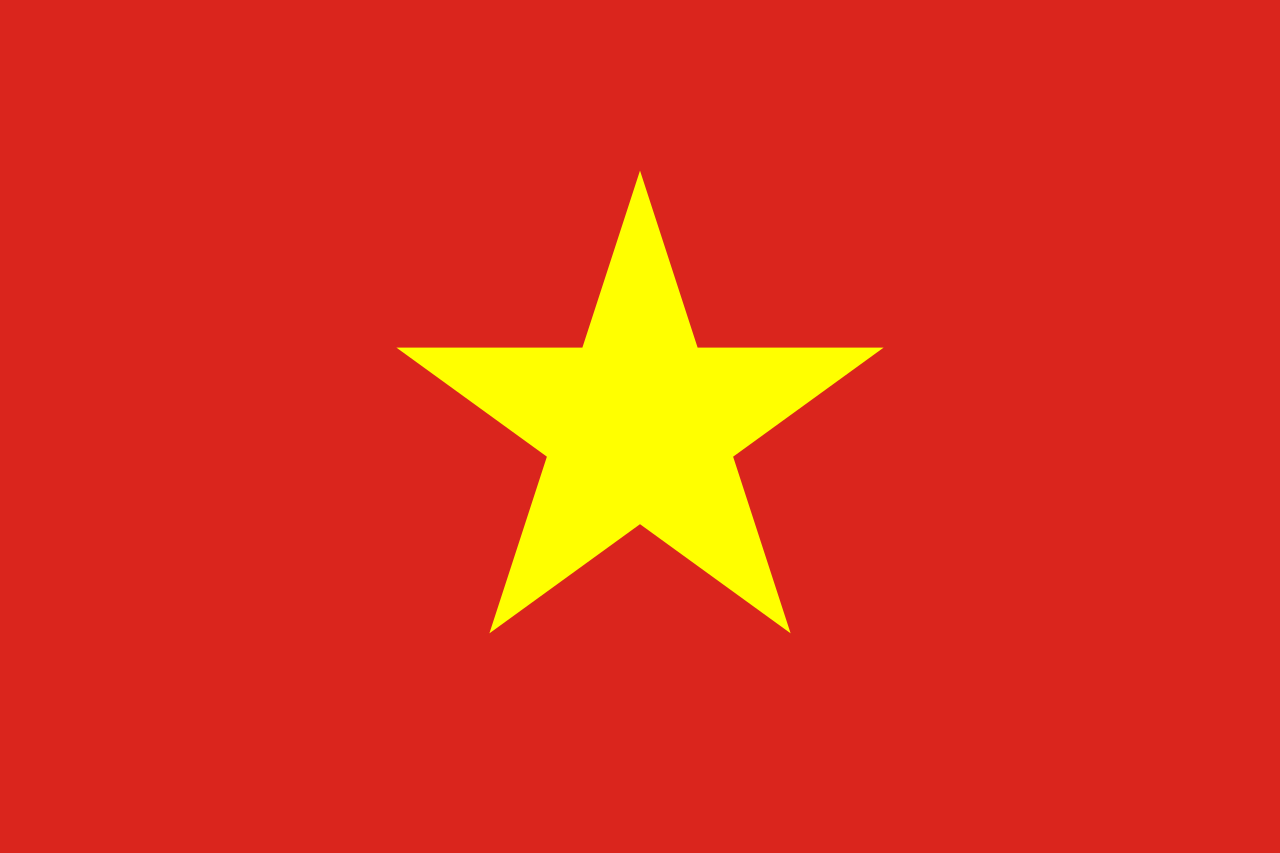
Vietnam
Opens Google Maps in new tab
Geopolitical Significance and Diverse Topography
Vietnam's distinctive S-shaped geography is not merely an aesthetic feature but a crucial element in its history and strategic importance. Stretching over 1,650 kilometers along the eastern edge of the Indochinese Peninsula, it possesses a long coastline on the South China Sea, providing access to vital maritime trade routes. This strategic location has historically made it a crossroads for various cultures and a target for external powers.
The topography is remarkably varied, ranging from the mountainous regions in the north, which form natural borders with China and Laos, to the extensive deltas of the Red River in the north and the Mekong in the south. These deltas are the nation's agricultural powerhouses, particularly for rice cultivation, supporting a significant portion of the population. The central coast features a more rugged terrain with numerous bays and inlets, while the Truong Son mountain range runs through the western part of the country.
Vietnam's climate is predominantly tropical, with distinct wet and dry seasons, though regional variations exist, with cooler temperatures in the highlands and north.
A Millennia of Sovereignty, Conflict, and Rebirth
Vietnam's history is a testament to its enduring spirit and struggle for self-determination. For over a thousand years, it endured Chinese rule, developing a distinct cultural identity while absorbing significant Chinese influences in governance, philosophy, and language. The subsequent French colonial period from the mid-19th century introduced Western administrative systems and economic structures, but also fueled nationalist movements.
The 20th century was defined by intense conflict: the fight for independence against the French, culminating in the First Indochina War and the division of the country, followed by the protracted and devastating Vietnam War (or American War, as it is known in Vietnam) against South Vietnam and its allies. The reunification of Vietnam in 1975 marked the beginning of a new era, focused on rebuilding the war-torn nation and establishing a socialist republic.
The subsequent Doi Moi (Renovation) economic reforms initiated in 1986 have guided Vietnam's transition towards a market-oriented economy.
Cultural Tapestry
Vietnamese culture is a rich amalgamation of indigenous traditions, influences from China and Southeast Asia, and more recent global exchanges. Confucianism and Mahayana Buddhism have profoundly shaped societal values, emphasizing family loyalty, respect for elders, and community harmony. The extended family unit remains central to social life, with Tet Nguyen Dan (Lunar New Year) serving as the paramount occasion for family gatherings and ancestor veneration.
Vietnamese cuisine is celebrated globally for its balance of flavors, fresh ingredients, and emphasis on healthy preparation, with dishes like pho, banh mi, and goi cuon (fresh spring rolls) gaining international acclaim. The official language is Vietnamese, utilizing the Latin-based alphabet known as Quoc Ngu, which was developed in the 17th century. While traditional arts like water puppetry and silk painting are preserved, contemporary Vietnamese art, film, and literature increasingly reflect modern societal changes and global influences.
Economic Transformation
Vietnam's economy has undergone a remarkable transformation since the implementation of Doi Moi reforms in 1986. Shifting from a centrally planned economy, it has embraced market principles, leading to sustained high growth rates. Agriculture, though still significant, has seen its share of the economy decrease as manufacturing and services have expanded.
Vietnam is now a major global supplier of electronics, textiles, footwear, and agricultural products like rice, coffee, and seafood. Its strategic location, competitive labor costs, and participation in numerous free trade agreements have attracted substantial foreign direct investment, positioning it as a key manufacturing hub in Southeast Asia. The government continues to focus on industrial modernization, infrastructure development, and improving the business environment to foster further economic integration and sustainable growth.
Governance and the Socialist Republic
Vietnam is officially a socialist republic governed by the Communist Party of Vietnam (CPV). The CPV holds a monopoly on political power, with its General Secretary being the most influential political figure. The National Assembly is the highest representative body of the people and the sole law-making body.
The President serves as the head of state, while the Prime Minister leads the government. Despite the single-party system, the government has implemented significant economic liberalization and has been increasingly active on the international stage, joining organizations like the World Trade Organization (WTO) and participating in regional forums like ASEAN. The country faces ongoing challenges in balancing economic development with social equity, environmental protection, and human rights concerns, while navigating its complex geopolitical relationships.
The Educational Landscape
Education is highly valued in Vietnam, seen as a critical pathway for individual advancement and national development. The education system is structured into preschool, primary, lower secondary, upper secondary, and higher education. Compulsory education covers primary and lower secondary levels.
The government has made significant investments in expanding access to education, particularly in rural and disadvantaged areas. Higher education institutions, including universities and vocational colleges, offer a range of programs. While the system has achieved high literacy rates, challenges remain in improving the quality of teaching, curriculum relevance, and equitable access to higher education.
There is a growing emphasis on STEM (Science, Technology, Engineering, and Mathematics) education and vocational training to meet the demands of Vietnam's evolving economy and to foster innovation.
Go deeper
Frequently Asked Questions
What shape is Vietnam and why is it special?+
Why does Vietnam have so many rice farms?+
How did Vietnam become independent from France?+
What is Tet Nguyen Dan?+
What are some famous Vietnamese foods?+
Based on content from Wikipedia · Licensed under CC BY-SA 4.0