

The Wild, Wild West!
Images
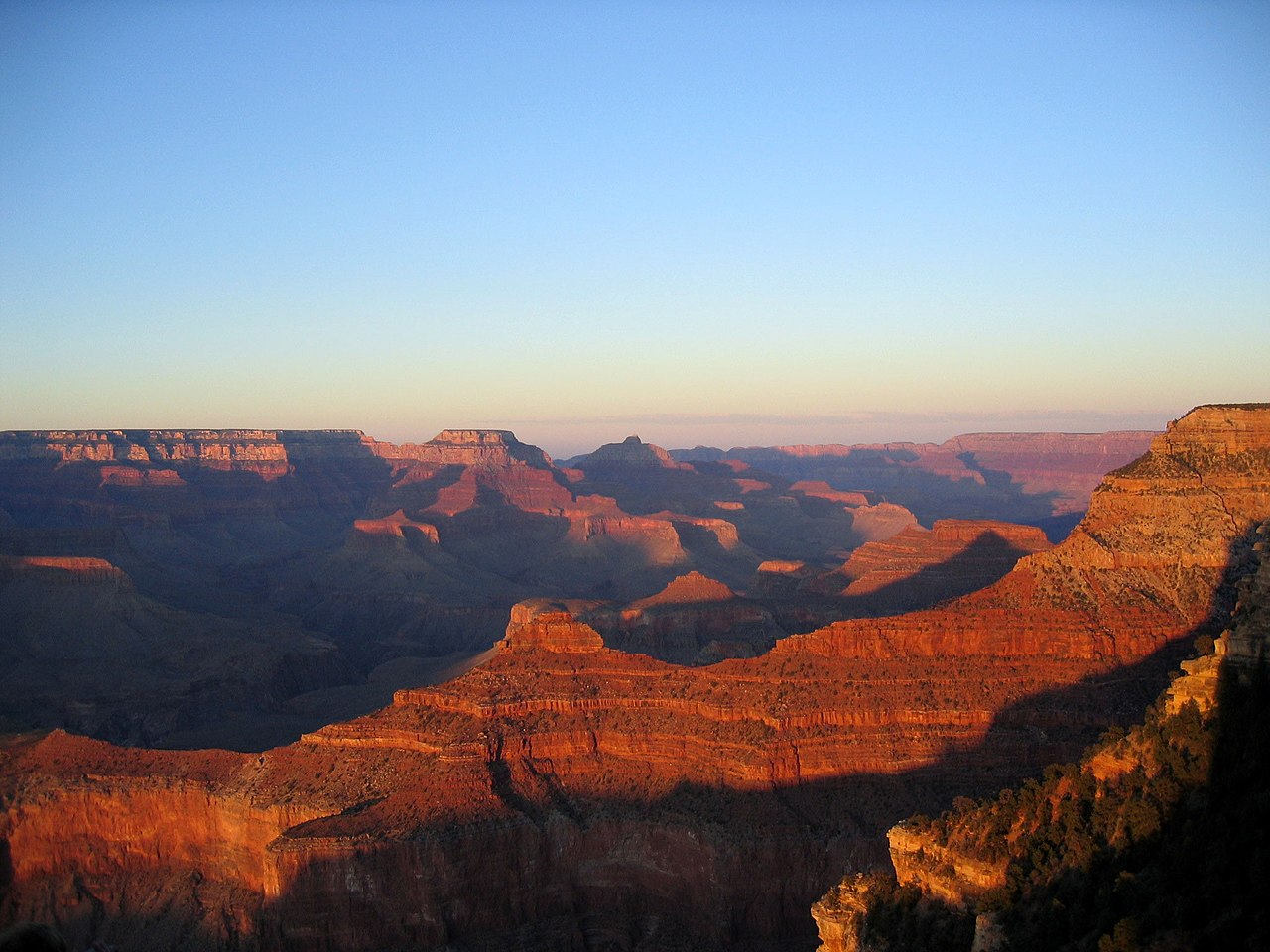
Western United States
Geological Grandeur
The Western United States presents an extraordinary geological tapestry, shaped by tectonic forces, volcanic activity, and erosion over millennia. The dominant feature is the Cordilleran chain, a vast system of mountains including the Sierra Nevada, Cascades, and the Rocky Mountains. These ranges are characterized by dramatic elevation changes, deep valleys, and active seismic zones, a testament to the ongoing collision of tectonic plates.
The Pacific Ring of Fire is particularly evident, with volcanic peaks like Mount Rainier and Mount St. Helens in Washington, and the geysers and hot springs of Yellowstone National Park in Wyoming, a supervolcano caldera. Erosion has sculpted iconic landmarks such as the Grand Canyon, a testament to the Colorado River's relentless work over millions of years, revealing layers of geological history.
The coastal regions feature rugged cliffs, extensive beaches, and vital estuaries, while inland, vast arid basins and deserts like the Great Basin and the Mojave Desert showcase extreme environments adapted by unique flora and fauna. This immense geographical variation influences climate, ecosystems, and human settlement patterns across the region.
Frontier Spirit and Technological Frontiers
The historical narrative of the Western United States is one of rapid transformation, from indigenous homelands to a frontier of opportunity and innovation. The westward expansion, fueled by manifest destiny and the allure of resources like gold and fertile land, dramatically reshaped the region’s demographics and landscape. The Gold Rushes of the mid-19th century were pivotal, spurring rapid settlement, the development of infrastructure, and significant conflict with Native American tribes whose lands were encroached upon.
The completion of the transcontinental railroad in 1869 further accelerated this process, connecting the West to the rest of the nation. In the 20th and 21st centuries, the West evolved into a global epicenter for technological advancement. Silicon Valley in California became synonymous with the digital revolution, fostering the growth of the internet, personal computing, and biotechnology. Simultaneously, Hollywood cemented its status as the world's entertainment capital.
This historical arc, from rugged frontier to high-tech hub, highlights the West's enduring capacity for reinvention and its profound impact on global culture and technology.
Cultural Mosaic
The cultural landscape of the Western United States is a rich and complex mosaic, shaped by centuries of interaction between diverse peoples. Indigenous cultures, with their deep spiritual connections to the land, continue to be a vital part of the region's heritage, though often marginalized. Successive waves of immigration, from Spanish explorers and Mexican settlers to European pioneers, Asian laborers, and more recent arrivals from Latin America and beyond, have created a vibrant multicultural society.
This diversity is evident in the region's cuisine, arts, music, and languages, with Spanish being widely spoken alongside English. A defining characteristic of Western identity is often a strong connection to the outdoors and a spirit of self-reliance. The vast natural landscapes inspire a culture that values outdoor recreation, environmentalism, and a certain rugged individualism.
This blend of diverse traditions and a shared appreciation for the natural world creates a unique and dynamic cultural fabric.
Economic Powerhouse
The economy of the Western United States is a formidable engine of global commerce, driven by innovation, natural resources, and a diverse industrial base. Technology remains a dominant force, with Silicon Valley and other tech hubs spearheading advancements in software, hardware, artificial intelligence, and biotechnology, attracting significant venture capital and highly skilled labor. The entertainment industry, centered in Hollywood, continues to be a major economic driver, producing content consumed worldwide and supporting a vast ecosystem of related businesses.
Agriculture, particularly in California, is a massive sector, producing a significant portion of the nation's fruits, vegetables, and nuts. The region also benefits from abundant natural resources, including minerals, timber, and energy sources, though resource extraction is often balanced against environmental concerns. Furthermore, tourism is a critical industry, drawing millions to experience its iconic national parks, vibrant cities, and unique cultural attractions.
The West's strategic location on the Pacific Rim also facilitates extensive international trade.
Governance and Education
The Western United States operates within the framework of the U.S. federal system, with each state maintaining its own government structure, typically comprising executive, legislative, and judicial branches. State capitals like Sacramento (California), Olympia (Washington), and Denver (Colorado) serve as centers of political activity. Issues such as water rights, land use, and environmental regulation are often significant political concerns due to the region's unique geography and climate.
Education is a cornerstone of development, with a robust public and private school system. The West is home to world-renowned public university systems, such as the University of California and the California State University systems, as well as prestigious private institutions like Stanford and Caltech. These universities are not only centers of learning but also critical hubs for research and development, particularly in technology and science, further fueling the region's innovative spirit and economic growth.
Go deeper
Frequently Asked Questions
What is the Western United States?+
Why are there volcanoes in the West?+
How did the Gold Rush change the West?+
Where is Silicon Valley and why is it famous?+
What kinds of animals live in the Mojave Desert?+
Based on content from Wikipedia · Licensed under CC BY-SA 4.0