

Yellowstone National Park
Images
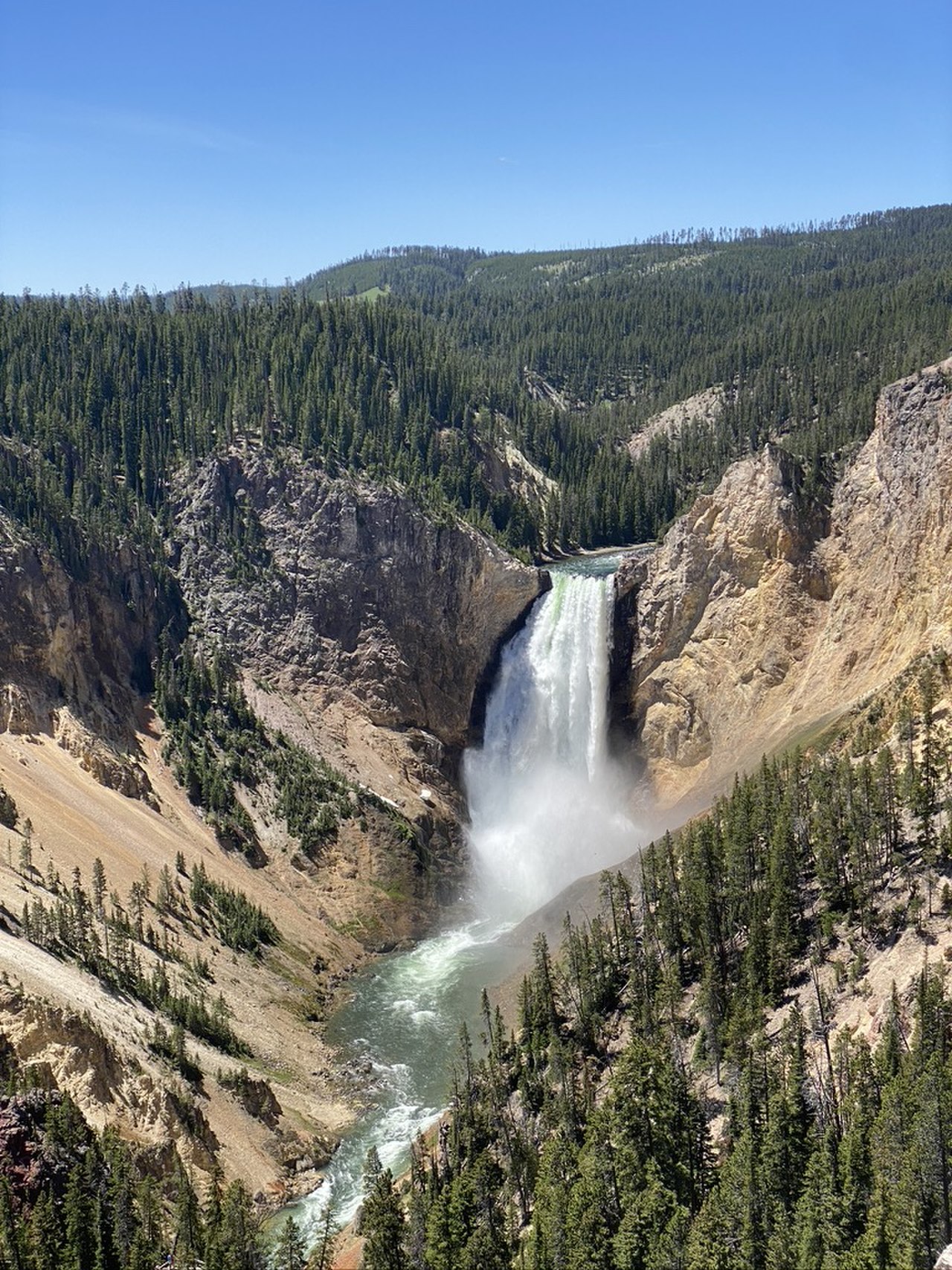
Yellowstone National Park
The Caldera's Legacy
Yellowstone National Park is globally significant as the site of the Yellowstone Caldera, a colossal supervolcano that last erupted approximately 640,000 years ago. While a future cataclysmic eruption is statistically improbable in human timescales, the residual heat from this ancient volcanic system fuels an extraordinary concentration of geothermal activity, comprising over half of the world's active geysers and numerous hot springs, mudpots, and fumaroles. The park boasts more than 10,000 hydrothermal features, a testament to the immense thermal energy beneath the surface.
These features, such as the iconic Old Faithful, whose predictable eruptions have been documented for over a century, and the vibrant Grand Prismatic Spring, with its striking thermophilic bacterial mats creating a spectrum of colors, offer invaluable opportunities for scientific research. Studying these extreme environments provides insights into early life on Earth and potential extraterrestrial habitats. The landscape is a dynamic canvas, constantly shaped by volcanic processes, erosion, and the unique chemistry of its thermal waters.
A Crucible of Conservation
Yellowstone stands as a paramount example of successful large-scale ecosystem management and wildlife conservation. It is the only place in the United States where bison have continuously lived since prehistoric times, with the park harboring one of the largest and most genetically pure bison herds. The park's reintroduction of wolves in 1995, a keystone species extirpated decades earlier, is a landmark achievement in conservation biology.
The wolves have not only re-established their own populations but have also significantly influenced the park's ecology, leading to a trophic cascade that has reshaped vegetation patterns, particularly along riverbanks, and benefited other species. Yellowstone is home to a rich diversity of megafauna, including grizzly bears, black bears, elk, pronghorn, bighorn sheep, and numerous avian species. Its vast, interconnected ecosystems, spanning multiple states, underscore the importance of landscape-level conservation efforts and provide a critical refuge for species facing habitat loss elsewhere.
Echoes of Time
The human history of Yellowstone stretches back at least 11,000 years, with evidence of Paleo-Indian occupation. For millennia, Indigenous peoples, including the Shoshone, Bannock, Crow, and Blackfeet, utilized the Yellowstone region for hunting, fishing, and gathering, developing a profound cultural and spiritual connection to the land. The establishment of Yellowstone National Park in 1872 marked a pivotal moment in global conservation history, creating the world's first national park.
This pioneering act was driven by a desire to protect the park's unique natural wonders from exploitation, though it also led to the displacement of Indigenous communities from their ancestral homelands. The park's management has evolved significantly, with increasing recognition and efforts to incorporate Indigenous knowledge and perspectives into conservation strategies, acknowledging the deep historical ties and ongoing stewardship responsibilities of Native tribes.
Yellowstone's Enduring Relevance
Yellowstone National Park continues to be a vital hub for scientific research, offering unparalleled opportunities to study geology, ecology, hydrology, and wildlife behavior in a relatively intact ecosystem. The data gathered here informs conservation policies not only within the park but also globally. Its status as a UNESCO World Heritage Site highlights its universal value.
Furthermore, Yellowstone serves as a powerful symbol of the American conservation ethic and the concept of public lands held in trust for future generations. The park's management faces ongoing challenges, including climate change impacts, invasive species, human-wildlife conflict, and the increasing pressures of tourism. Addressing these issues requires adaptive management strategies, interagency cooperation, and continued public engagement to ensure the long-term preservation of this extraordinary natural and cultural resource.
Go deeper
Frequently Asked Questions
What makes Yellowstone special for geysers and hot springs?+
Why were wolves brought back to Yellowstone?+
How old is the Yellowstone volcano?+
Who lived in Yellowstone before the park was built?+
Why was Yellowstone made a national park?+
Based on content from Wikipedia · Licensed under CC BY-SA 4.0