

Mozambique
Images
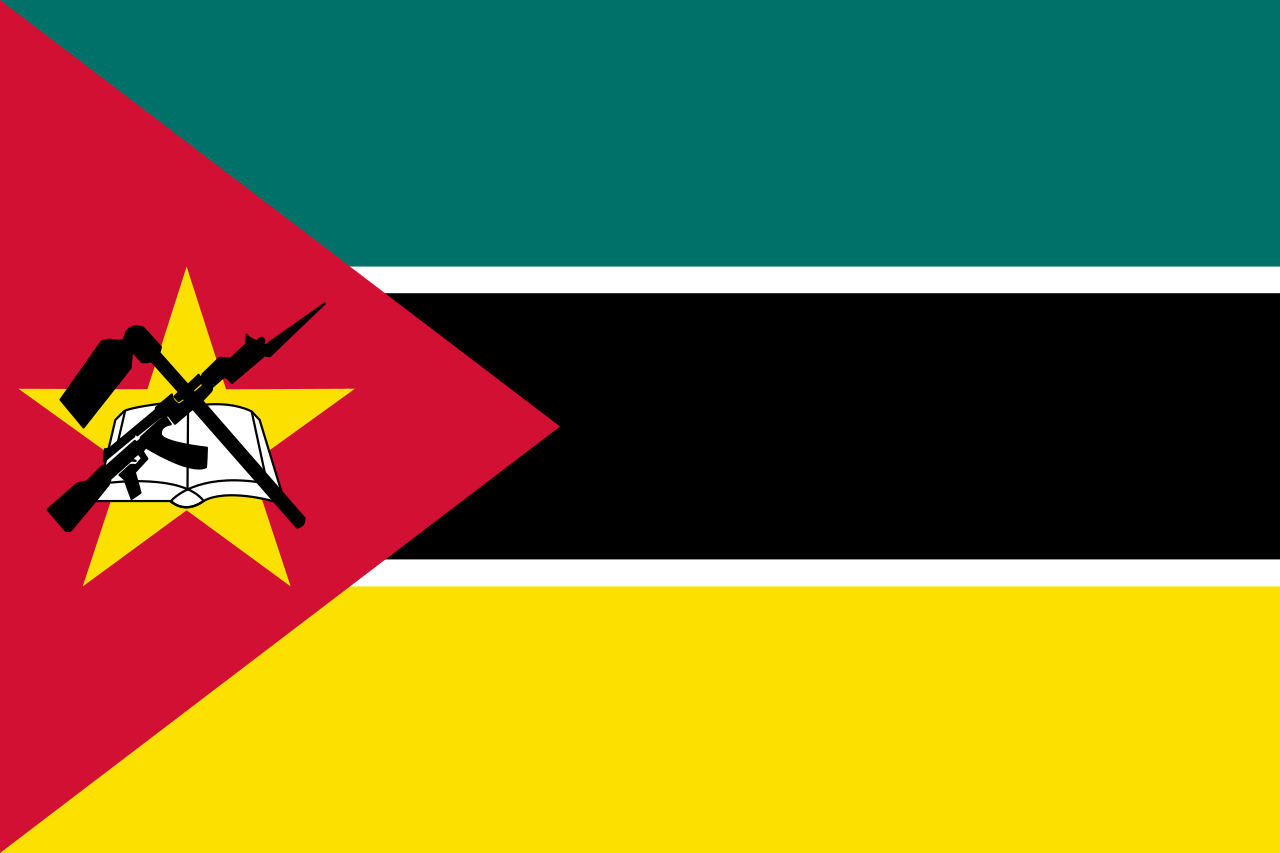
Mozambique
Opens Google Maps in new tab
Geostrategic Position and Environmental Diversity
Mozambique occupies a significant geostrategic position in Southeast Africa, characterized by an extensive coastline along the Indian Ocean stretching approximately 1,535 miles (2,470 kilometers). This long maritime border provides access to vital shipping lanes and rich marine resources. The country is bordered by Tanzania to the north, Malawi and Zambia to the northwest, Zimbabwe to the west, and Eswatini and South Africa to the south and southwest.
The Mozambique Channel, a crucial waterway, separates it from Madagascar and the Comoros. Its diverse geography ranges from coastal plains and mangrove swamps to highlands and plateaus inland. This varied landscape supports a range of ecosystems, though the nation faces significant environmental challenges, including vulnerability to climate change impacts like cyclones and droughts, which disproportionately affect its agricultural sector and coastal communities.
The capital, Maputo, is a major port city and economic center in the south.
From Swahili Emporiums to Post-Colonial Republic
The history of Mozambique is a narrative of cultural exchange and political transformation. From the 7th to the 11th centuries, the Swahili coast flourished with independent port towns that were integral to Indian Ocean trade networks, attracting merchants from Arabia, Persia, and India, fostering a distinct Swahili culture and dialect. The arrival of Vasco da Gama in 1498 heralded the Portuguese era, initiating over four centuries of colonial rule and settlement, which profoundly shaped the nation's administrative, economic, and social structures. Independence was achieved in 1975, leading to the establishment of the People's Republic of Mozambique.
However, this transition was marred by a protracted and devastating civil war from 1977 to 1992, which left deep scars on the nation. Since its first multi-party elections in 1994, Mozambique has transitioned into a presidential republic, striving for stability and development amidst ongoing challenges, including a low-intensity insurgency in some northern regions.
Resource Endowment and Economic Realities
Mozambique is endowed with abundant and diverse natural resources, including significant deposits of coal, natural gas, titanium, and hydropower potential, alongside fertile agricultural land and extensive fisheries. The economy historically relied heavily on agriculture and fishing, particularly mollusks, crustaceans, and echinoderms. In recent decades, there has been a significant expansion in industries such as food and beverages, chemical manufacturing, and aluminum production, with the burgeoning oil and gas sector becoming increasingly prominent.
The tourism sector is also developing, capitalizing on the country's beautiful coastline and natural parks. Despite substantial GDP growth post-2001, particularly driven by resource extraction, Mozambique continues to grapple with profound economic challenges. Since 2014/15, a notable decrease in household real consumption and a sharp rise in economic inequality have been observed, leaving it ranked among the world's poorest and most underdeveloped countries, with low GDP per capita and human development indicators.
Linguistic Diversity and Cultural Mosaic
The population of Mozambique, estimated at over 34.7 million, is remarkably diverse, comprising more than 2,000 ethnic groups, predominantly of Bantu origin. This rich tapestry of peoples contributes to a vibrant cultural landscape. The official language is Portuguese, a legacy of its colonial past, which serves as a lingua franca, particularly in urban areas and among the educated youth.
However, a multitude of indigenous languages are spoken across the country, with Makhuwa, Tsonga, Sena, Chichewa, and Swahili being among the most prominent. Glottolog identifies 46 languages spoken within its borders, including Mozambican Sign Language. Religious adherence is diverse, with Christianity being the most popular faith, complemented by significant Muslim and African traditional religion communities.
This linguistic and religious pluralism is a defining characteristic of Mozambican society, shaping its social interactions and cultural expressions.
Governance and Development Trajectory
Mozambique operates as a presidential republic, with a government structure designed to foster stability and national development following its tumultuous post-independence period. The president serves as both head of state and head of government, elected through popular vote. The country has made strides in establishing democratic institutions and holding regular multi-party elections since 1994.
However, governance remains a critical area of focus, with ongoing efforts to strengthen rule of law, combat corruption, and ensure equitable distribution of the nation's wealth. The government's development agenda prioritizes poverty reduction, infrastructure improvement, and leveraging its natural resources for sustainable economic growth. Despite progress, challenges persist, including regional security concerns and the need to address deep-seated socio-economic inequalities to ensure that development benefits all segments of the population.
Go deeper
Frequently Asked Questions
What does Mozambique look like and where is it located?+
Why does Mozambique have so many fish and seafood?+
How did Mozambique become an independent country?+
Where can you find natural resources in Mozambique?+
What weather problems does Mozambique face?+
Based on content from Wikipedia · Licensed under CC BY-SA 4.0