

The Dutch East India Company: A Super Powerful Trading Company!
Images
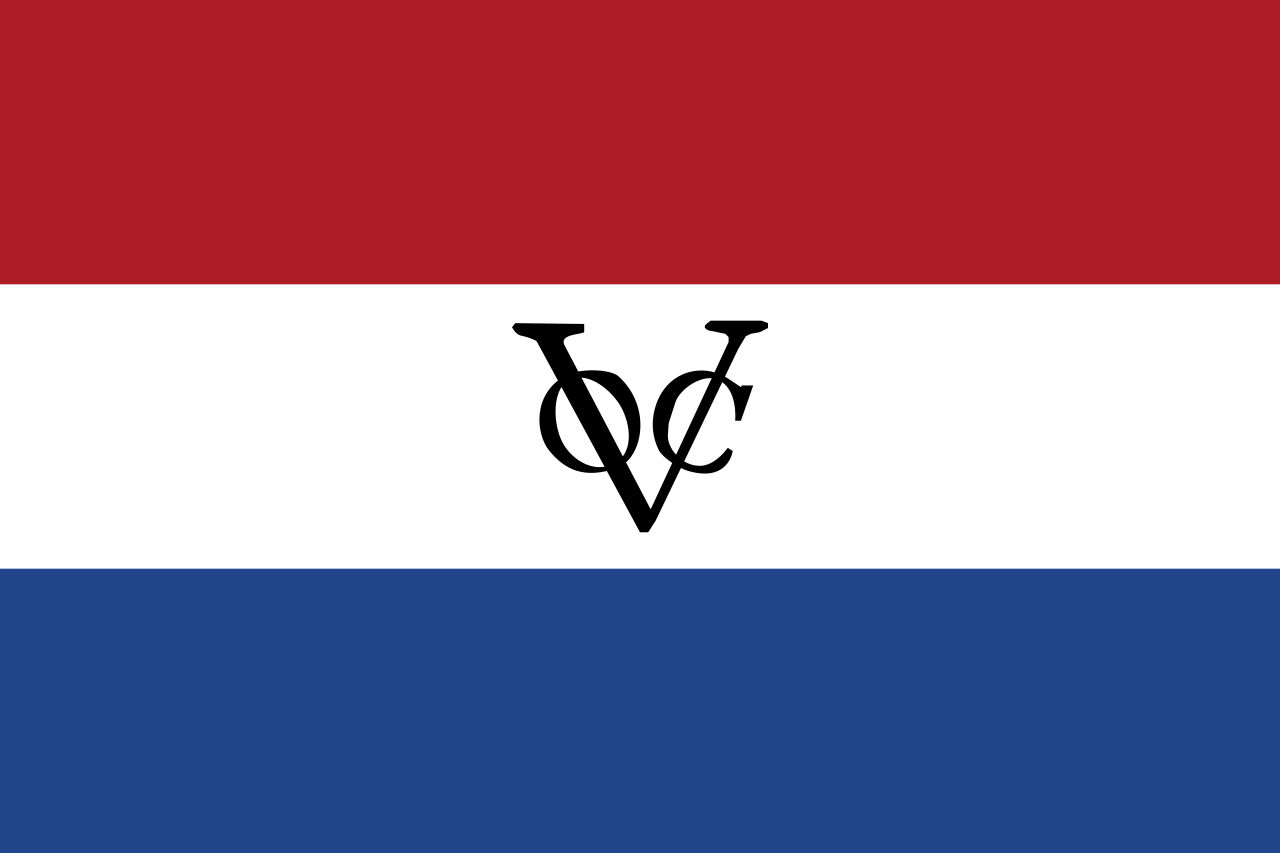
Dutch East India Company
Genesis of a Global Enterprise
The Vereenigde Oostindische Compagnie (VOC), established on March 20, 1602, was a groundbreaking entity born from the amalgamation of several competing Dutch trading firms. This consolidation was strategically orchestrated by the Dutch government to consolidate power, reduce internal competition, and maximize profits from the burgeoning East Asian trade. The VOC was granted a charter that bestowed upon it a 21-year monopoly on all Dutch trade east of the Cape of Good Hope and west of the Strait of Magellan.
Crucially, this charter empowered the VOC with quasi-governmental authority: it could build fortifications, maintain a standing army and navy, wage war, conclude treaties with foreign powers, and establish its own colonies. This unprecedented delegation of sovereign powers to a private commercial entity marked a significant departure from previous mercantile models and laid the foundation for a new era of corporate-driven global expansion.
Dominating the Spice Routes
The VOC's primary objective was to secure a dominant position in the highly profitable spice trade, particularly for commodities like nutmeg, mace, cloves, and cinnamon, which were scarce and highly prized in Europe. To achieve this, the company embarked on an aggressive expansionist policy across the East Indies (modern-day Indonesia) and other parts of Asia. They established a vast network of trading posts, forts, and settlements, often through forceful means, displacing local populations and rival European powers like the Portuguese and English.
Batavia (present-day Jakarta) became the administrative and commercial heart of the VOC's Asian operations, serving as a crucial hub for the transshipment of goods back to Europe. The company's sophisticated logistical operations, including its large fleet of ships and efficient warehousing, enabled it to control supply chains and dictate prices, generating immense wealth for the Netherlands.
Pioneering Corporate Finance and Governance
The VOC stands as a monumental achievement in the history of finance and corporate organization. It was the world's first publicly traded company, issuing shares of stock to raise capital from a wide range of investors. This innovative financing model allowed the VOC to amass capital far exceeding that of any individual merchant or even state at the time, enabling its ambitious global ventures.
The company was structured with a governing board known as the Heeren XVII (Lords Seventeen), representing various regional chambers, which oversaw its vast operations. This complex governance structure, while effective for its time, also sowed the seeds of future problems, including bureaucratic inefficiencies and corruption, which would eventually contribute to the company's decline.
The Complex Legacy
The Dutch East India Company's legacy is multifaceted and deeply complex. Economically, it was instrumental in fueling the Dutch Golden Age, transforming the Netherlands into a global economic powerhouse and a leader in maritime trade and finance. Its pioneering corporate structures and trade practices profoundly influenced the development of capitalism and multinational corporations worldwide.
However, the VOC's pursuit of profit came at a tremendous human cost. Its expansion was characterized by brutal conquest, the enslavement of local populations, the monopolization of resources, and the disruption of indigenous societies. The company's actions laid the groundwork for centuries of Dutch colonial rule in Indonesia and contributed to global inequalities.
By the late 18th century, the VOC was burdened by debt, corruption, and increasing competition, leading to its nationalization and eventual dissolution in 1799, but its impact on global trade, finance, and colonial history remains indelible.
Go deeper
Frequently Asked Questions
What was the Dutch East India Company (VOC)?+
When was the VOC founded?+
Why did the Dutch government create the VOC?+
How did the VOC become so powerful?+
Where did the VOC trade its spices?+
Based on content from Wikipedia · Licensed under CC BY-SA 4.0