

Botswana
Images

Botswana



Opens Google Maps in new tab
Geographical Realities
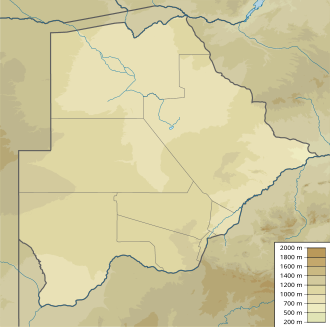
Botswana's geography is defined by its vast, arid interior, with approximately 70% of its territory dominated by the Kalahari Desert. This immense sandy basin is not a barren wasteland but a complex ecosystem supporting diverse flora and fauna adapted to harsh conditions, including grasslands, acacia woodlands, and seasonal riverbeds. The country's topography is predominantly flat, contributing to its expansive, open vistas.
As a landlocked nation situated in Southern Africa, Botswana shares borders with South Africa to the south and southeast, Namibia to the west and north, Zambia to the north, and Zimbabwe to the northeast. This geographical position influences its trade routes and regional relationships, necessitating strong diplomatic ties and infrastructure development for access to international markets. The absence of a coastline presents unique logistical challenges but has also fostered a resilient and resourceful national identity.
A Journey Through Time
The historical narrative of Botswana is deeply intertwined with the migration and settlement of the Bantu-speaking peoples, including the Tswana, who arrived in waves centuries before AD 600. These early inhabitants established complex societies and cultural traditions that form the bedrock of modern Botswana. The colonial era began in 1885 when the British established a protectorate named Bechuanaland, integrating it into their imperial network.
This period shaped the country's administrative structures and borders. The pivotal moment of independence arrived on September 30, 1966, when Bechuanaland transitioned into the Republic of Botswana, joining the Commonwealth. Since achieving sovereignty, Botswana has maintained a remarkable record of uninterrupted democratic elections, a testament to its commitment to stable governance, although historically dominated by the Botswana Democratic Party until recent shifts.
This consistent democratic practice has fostered political stability and international trust.
Sociocultural Fabric
Botswana's sociocultural landscape is predominantly shaped by the Tswana ethnic group, who constitute nearly 80% of the population. Their heritage, stemming from ancient Bantu migrations, is rich with traditions in music, dance, oral history, and community structures. The concept of 'Botho,' emphasizing humanity, compassion, and interconnectedness, is a core value that influences social interactions and national ethos.
While Setswana is the national language, English serves as the official language, facilitating international communication and business. The nation's identity is also forged through its resilience in overcoming historical challenges and its commitment to peace and stability. This strong sense of cultural pride and shared identity contributes significantly to Botswana's social cohesion and its welcoming reputation among visitors.
Economic Pillars
Botswana's economy is a compelling case study in resource-driven development. It stands as the world's leading producer of diamonds, a sector that has fueled remarkable economic growth and significantly raised the nation's gross national income per capita, placing it among the highest in continental Sub-Saharan Africa. This diamond wealth has enabled substantial investment in infrastructure, healthcare, and education, contributing to the second-highest Human Development Index on the continent.
However, the economy's heavy reliance on diamond mining presents vulnerabilities to global market fluctuations. Consequently, Botswana is actively pursuing economic diversification, seeking to bolster sectors such as tourism, agriculture, and manufacturing. Despite its economic successes, the nation grapples with persistent challenges, notably high unemployment rates, which underscore the ongoing need for inclusive growth strategies and job creation initiatives.
Governance and Global Standing
Botswana is recognized for its robust democratic institutions and political stability. As a parliamentary republic, it has consistently held free and fair elections since independence, fostering a predictable political environment. This commitment to democratic principles is further evidenced by its standing as the least corrupt country in mainland Africa, according to Transparency International's Corruption Perceptions Index.
This achievement reflects strong governance, transparency, and accountability mechanisms. Botswana actively participates in regional and international organizations, including the Southern African Customs Union, the Southern African Development Community, the Commonwealth of Nations, and the United Nations, playing a constructive role in global affairs. Its stable governance and ethical framework enhance its international reputation and attract foreign investment.
Educational Landscape
Education is a cornerstone of Botswana's development strategy, viewed as essential for empowering its citizens and driving national progress. The government prioritizes accessible and quality education across all levels, from primary schooling to tertiary institutions. Significant investments are made in curriculum development, teacher training, and educational infrastructure to ensure that Batswana youth are equipped with the knowledge and skills necessary for a competitive global economy.
Higher education institutions, such as the University of Botswana, play a crucial role in fostering research, innovation, and specialized expertise. The focus on education aims not only to enhance individual opportunities but also to cultivate a skilled workforce capable of supporting economic diversification and addressing the nation's developmental challenges, thereby securing a brighter future for all.
Go deeper
Frequently Asked Questions
Where is Botswana located?+
What is Botswana famous for?+
Why does Botswana have no sea?+
Who are the main people in Botswana?+
What does "Botho" mean?+
Based on content from Wikipedia · Licensed under CC BY-SA 4.0