

Somaliland: A Land in the Horn of Africa
Images
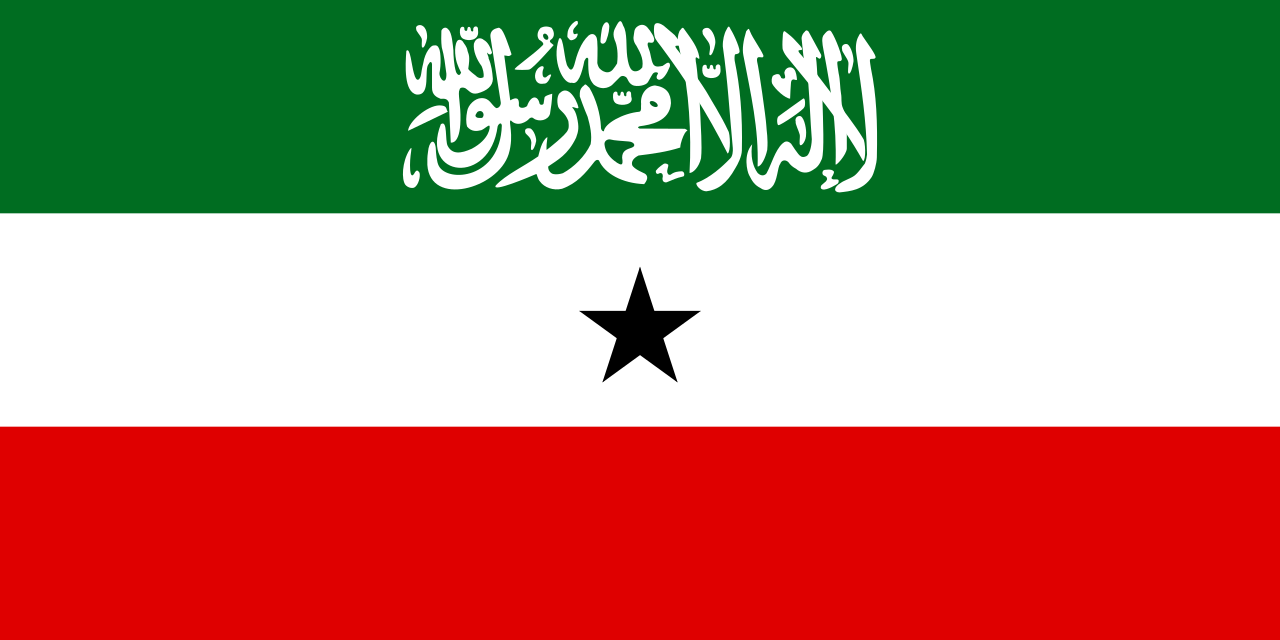
Somaliland
Geopolitical Landscape and Environmental Realities
Somaliland occupies a strategic position on the southern coast of the Gulf of Aden in the Horn of Africa, sharing borders with Djibouti, Ethiopia, and Somalia. This location has historically been vital for maritime trade routes. The nation's territory spans approximately 176,120 square kilometers, characterized by arid and semi-arid climates, including coastal plains, mountainous regions, and desert expanses.
Water scarcity is a significant environmental challenge, influencing traditional livelihoods like pastoralism. With a population estimated at 6.2 million in 2024, Somaliland faces the complexities of developing infrastructure and services across a large, often challenging, geographical area. The capital, Hargeisa, serves as the political, economic, and cultural nucleus, though other cities like Burao and Berbera also hold regional importance.
The nation's existence as an unrecognised state presents unique economic and diplomatic hurdles.
Historical Trajectory
The historical roots of Somaliland are deeply embedded in the region's pre-colonial past, marked by powerful Somali Muslim sultanates such as the Adal Sultanate, which exerted considerable influence between the 14th and 15th centuries from its base in Zeila. The 18th century saw the rise of successor states like the Isaaq Sultanate. In the late 19th century, the British formalized their influence by signing agreements with various clans, establishing the Somaliland Protectorate.
This entity achieved independence from the United Kingdom on June 26, 1960, as the State of Somaliland. A pivotal moment followed five days later when it voluntarily unified with the Trust Territory of Somaliland (formerly Italian Somaliland) to form the Somali Republic. However, the union proved fraught with difficulties, exacerbated by the authoritarian policies of Somalia's Barre regime.
Following a protracted civil war and the conclusion of the Ogaden War, Somaliland declared its independence on May 18, 1991. The current government regards itself as the legitimate successor to the historical British Somaliland Protectorate, a claim central to its ongoing pursuit of international recognition.
Somaliland's Unique Governance and Societal Fabric
Somaliland has established a distinct political system characterized by democratic elections and a multi-party system since its 1991 declaration of independence. It operates as a republic with a presidential system, a bicameral parliament (House of Elders and House of Representatives), and an independent judiciary. This commitment to democratic governance, despite its unrecognised status, has fostered relative stability and peace compared to its neighbors.
The official languages are Somali and Arabic. The society is structured around a clan system, which, while complex, has been managed to support national cohesion and governance. Islam is the predominant religion, influencing cultural norms and practices. The nation's resilience is evident in its ability to provide public services, manage its economy, and maintain security, all while navigating the challenges of international isolation.
Its membership in the Unrepresented Nations and Peoples Organization (UNPO) highlights its advocacy for self-determination.
Economic Realities and the Pursuit of Recognition
Somaliland's economy is largely driven by remittances from its diaspora and livestock exports, particularly to the Arabian Peninsula. Other key sectors include trade, particularly through the port of Berbera, and a nascent private sector. The country has made significant strides in developing its own currency, the Somaliland Shilling, and managing its fiscal affairs.
However, its unrecognised status severely limits its access to international development aid, foreign direct investment, and favorable trade agreements. The government actively seeks diplomatic engagement and formal recognition, maintaining informal ties and hosting representative offices from countries like Ethiopia and Taiwan. This pursuit of legitimacy is crucial for unlocking its economic potential and ensuring long-term stability and prosperity.
The recent loss of control over parts of its eastern territory due to the Las Anod conflict underscores the ongoing territorial and political challenges it faces.
Go deeper
Frequently Asked Questions
What is Somaliland and where is it located?+
Why is Somaliland not recognized as a country by many other nations?+
How does Somaliland make its own government and elections?+
Where does Somaliland get most of its money?+
What languages do people speak in Somaliland?+
Based on content from Wikipedia · Licensed under CC BY-SA 4.0