

Ethiopia
Images
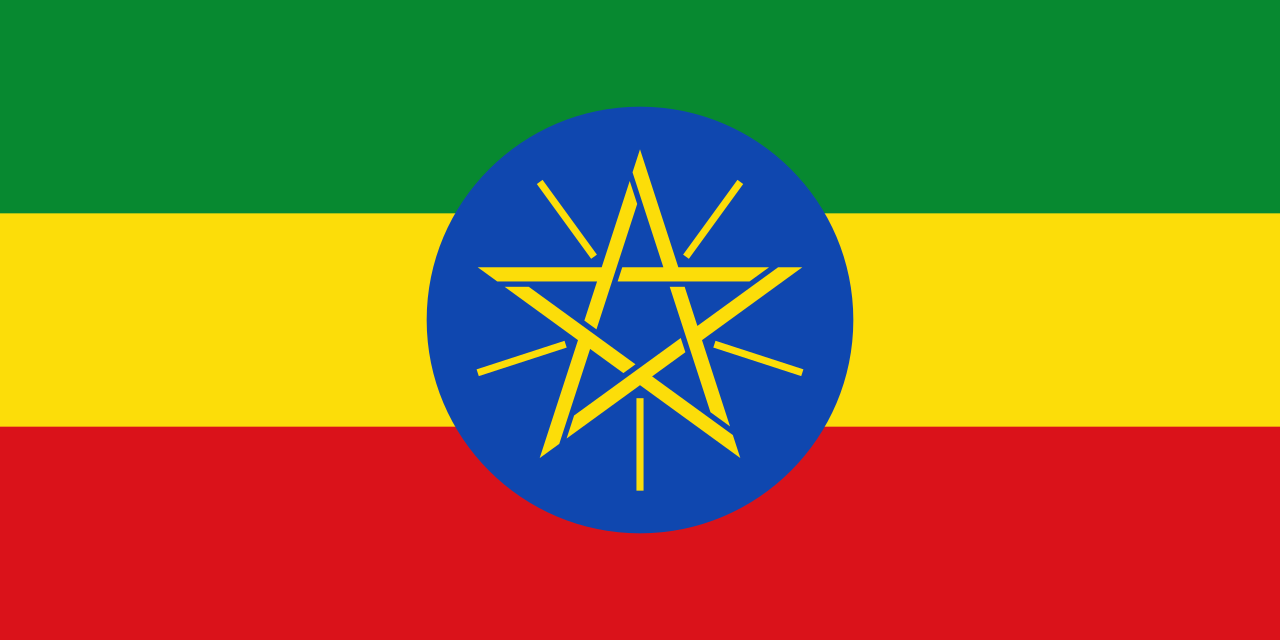
Ethiopia


Opens Google Maps in new tab
Geological and Geographical Tapestry of Ethiopia
Ethiopia's geography is a testament to immense geological forces and diverse climatic zones. Situated in the Horn of Africa, it is a landlocked nation bordered by Eritrea, Djibouti, Somalia, Kenya, South Sudan, and Sudan. Its vast territory of 1,104,300 square kilometers is dramatically bisected by the East African Rift Valley, a colossal geological feature where the African and Somali tectonic plates are slowly pulling apart.
This rift creates a dramatic landscape of highlands, volcanic plateaus, and deep canyons, including the stunning Simien Mountains, which reach over 4,500 meters. Conversely, the Danakil Depression represents one of the lowest and hottest points on Earth, showcasing extreme environmental conditions. This varied topography supports a wide range of ecosystems, from temperate highlands supporting agriculture to arid lowlands.
A Deep Dive into Ethiopia's Millennia-Old History
Ethiopia holds a unique place in human history, recognized as a significant region for the emergence of anatomically modern humans. Its recorded history is exceptionally long and rich, featuring powerful ancient kingdoms. The Kingdom of D'mt, established around 980 BC, laid foundations in the northern regions, followed by the influential Kingdom of Aksum, which flourished for nearly a millennium.
Aksum was a major trading power and adopted Christianity as its state religion in 330 AD, long before many European nations. The subsequent Solomonic dynasty, claiming lineage from the biblical King Solomon and the Queen of Sheba through their son Menelik I, ruled for centuries, shaping Ethiopian identity and governance. Ethiopia's resilience is further highlighted by its victory over Italian invaders at the Battle of Adwa in 1896, a pivotal moment that preserved its sovereignty during the Scramble for Africa and became a symbol of African resistance against colonialism.
Cultural Pluralism and Religious Significance
Ethiopia is a remarkably multi-ethnic state, home to over 80 distinct ethnic groups, each contributing to a rich and complex cultural landscape. This diversity is expressed through a multitude of languages, traditions, and artistic forms. Religion plays a central role in Ethiopian life, with Christianity being the predominant faith, particularly the Ethiopian Orthodox Tewahedo Church, which boasts ancient traditions and unique liturgical practices. Islam is also a significant minority religion, with a historical presence dating back to the early days of the faith.
The capital city, Addis Ababa, serves as a crucial diplomatic and administrative center for the continent, hosting the headquarters of the African Union and numerous other international organizations, underscoring Ethiopia's continental importance.
Economic Trajectory
The Ethiopian economy is predominantly agrarian, with agriculture forming the backbone of its GDP and employing a vast majority of the population. Key agricultural products include coffee, teff, pulses, and oilseeds, with coffee being a globally significant export and having its origins in Ethiopia. Despite facing persistent challenges such as high poverty rates, food insecurity, and a relatively low Human Development Index, Ethiopia has demonstrated remarkable economic growth in recent decades, positioning itself as an emerging economic power in sub-Saharan Africa.
This growth is fueled by significant foreign direct investment, particularly in manufacturing and infrastructure development, indicating a strategic shift towards industrialization and diversification.
Governance, Education, and Contemporary Issues
Ethiopia operates as a Federal Democratic Republic, structured around ethnic federalism, which aims to grant autonomy to different national groups. However, this system has also been a source of political tension and inter-ethnic conflict. The country has experienced periods of significant political upheaval, including the rule of the Derg military junta and subsequent transitions.
Education is a key focus for development, with efforts to increase literacy rates, which currently stand at 52%. Despite progress, Ethiopia grapples with complex issues including human rights concerns, ethnic discrimination, and ongoing political instability, which impact its development trajectory and international relations. Its recent accession to BRICS in 2024 signifies its growing global engagement.
Go deeper
Frequently Asked Questions
What is Ethiopia known for in human history?+
Why are the Simien Mountains special?+
How did Ethiopia keep its independence from Italy?+
What are some foods Ethiopia grows?+
Where is Ethiopia located?+
Based on content from Wikipedia · Licensed under CC BY-SA 4.0