

Somalia
Images
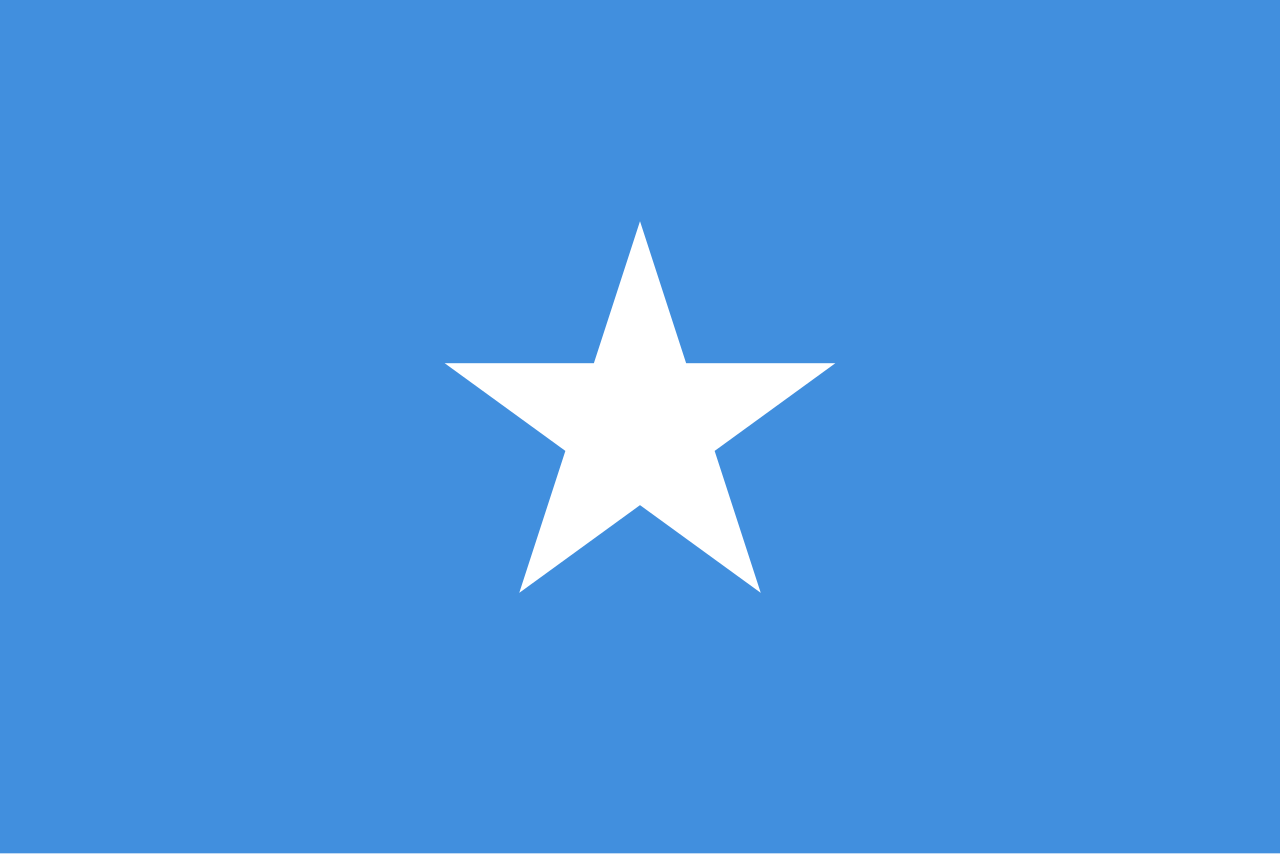
Somalia
Opens Google Maps in new tab
The Strategic Apex
Somalia occupies a pivotal geopolitical position as the easternmost country on mainland Africa, forming the prominent Horn of Africa. This strategic location places it at the confluence of major maritime routes, bordering the Gulf of Aden to the north and the Indian Ocean to the east. Its extensive coastline, the longest on the African mainland, grants it significant influence over regional maritime security and trade.
Neighboring Ethiopia to the west, Djibouti to the northwest, and Kenya to the southwest, Somalia is deeply integrated into the East African regional dynamic. The climate is predominantly arid to semi-arid, characterized by high temperatures and low, erratic rainfall, influencing its ecological zones which range from coastal plains and sandy deserts to highlands in the north. This environment has historically shaped nomadic pastoralism as a dominant lifestyle and economic activity, while also presenting significant challenges for agriculture and water management.
From Ancient Ports to Colonial Scars
The history of Somalia is deeply rooted in its role as an ancient maritime trading power. For millennia, its ports served as crucial nodes connecting Africa, the Arabian Peninsula, and the Indian subcontinent, facilitating the exchange of goods like frankincense, myrrh, ivory, and textiles. During the medieval period, powerful Somali sultanates, including the Ajuran Sultanate, the Adal Sultanate, and the Sultanate of the Geledi, emerged as dominant regional forces.
These entities not only controlled trade but also exerted significant political and military influence. The late 19th century marked a dramatic shift with the arrival of European colonial powers, Italy and Britain, who carved up the region into Italian Somaliland and British Somaliland. This colonial legacy profoundly impacted the region's political boundaries and development trajectory, culminating in the unification of these territories into the independent Somali Republic in 1960, setting the stage for subsequent political upheavals.
Cultural Homogeneity and Islamic Identity
Somalia stands out in Africa for its remarkable ethnic homogeneity, with approximately 85% of its population identifying as ethnic Somalis. This shared ancestry underpins a strong cultural identity and linguistic unity, with Somali serving as the primary national language. Arabic is also an official language, reflecting centuries of religious and cultural exchange with the Arab world. The overwhelming majority of the population adheres to Sunni Islam, a faith that permeates social norms, legal frameworks, and daily practices.
This shared religious and cultural foundation fosters a cohesive society, though it has also been a factor in historical interactions and political alignments. The capital, Mogadishu, is the nation's largest city and its primary economic and political center, a vibrant hub that embodies the country's resilience and aspirations.
Economic Realities
Somalia's economy operates largely within the informal sector, presenting unique challenges for formal economic planning and development. The cornerstone of the economy remains livestock production, with nomadic and semi-nomadic pastoralism supporting a significant portion of the population through the raising of sheep, goats, cattle, and camels. Remittances from the large Somali diaspora, who send money back to support their families, constitute a critical source of income and foreign exchange, often exceeding official development aid.
Despite widespread poverty and low GDP per capita, Somalia possesses a surprisingly advanced telecommunications sector, with high mobile phone penetration rates. Membership in international organizations like the UN, Arab League, and African Union signifies its engagement with global economic and political frameworks, aiming to attract investment and foster sustainable growth.
Navigating State-Building and Security in a Complex Environment
The post-colonial history of Somalia has been marked by significant political instability, including a protracted civil war following the collapse of the Siad Barre regime in 1991. The subsequent decades have seen a complex process of state-building, characterized by the establishment of various transitional governments, including the Transitional National Government (TNG) and the Transitional Federal Government (TFG). A pivotal moment occurred in 2012 with the adoption of a provisional constitution, formally establishing Somalia as a federal republic and ushering in the Federal Government of Somalia.
This transition aimed to decentralize power and foster national reconciliation. However, the nation continues to confront formidable security challenges, notably the persistent influence of insurgent groups like al-Shabaab, which has historically controlled territory and continues to exert pressure, complicating efforts towards lasting peace, stability, and comprehensive development.
The Educational Landscape
Formal education in Somalia faces considerable challenges, stemming from decades of conflict and underdevelopment. Access to quality education remains limited, particularly in rural areas, and the infrastructure for schooling is often inadequate. The civil war severely disrupted the education system, leading to a loss of qualified teachers and educational resources.
Despite these hurdles, there is a strong societal aspiration for education, recognized as crucial for national reconstruction and progress. Efforts are underway by the federal government, international organizations, and local communities to rebuild and expand the educational sector. This includes initiatives to increase school enrollment, improve teacher training, and develop relevant curricula that address the country's specific needs, aiming to equip future generations with the knowledge and skills necessary for Somalia's advancement.
Go deeper
Frequently Asked Questions
What is Somalia like?+
Why is Somalia's coastline important?+
How did Somalia become a country?+
What languages do people speak in Somalia?+
What is the main job people do in Somalia?+
Based on content from Wikipedia · Licensed under CC BY-SA 4.0