

Taiwan
Images
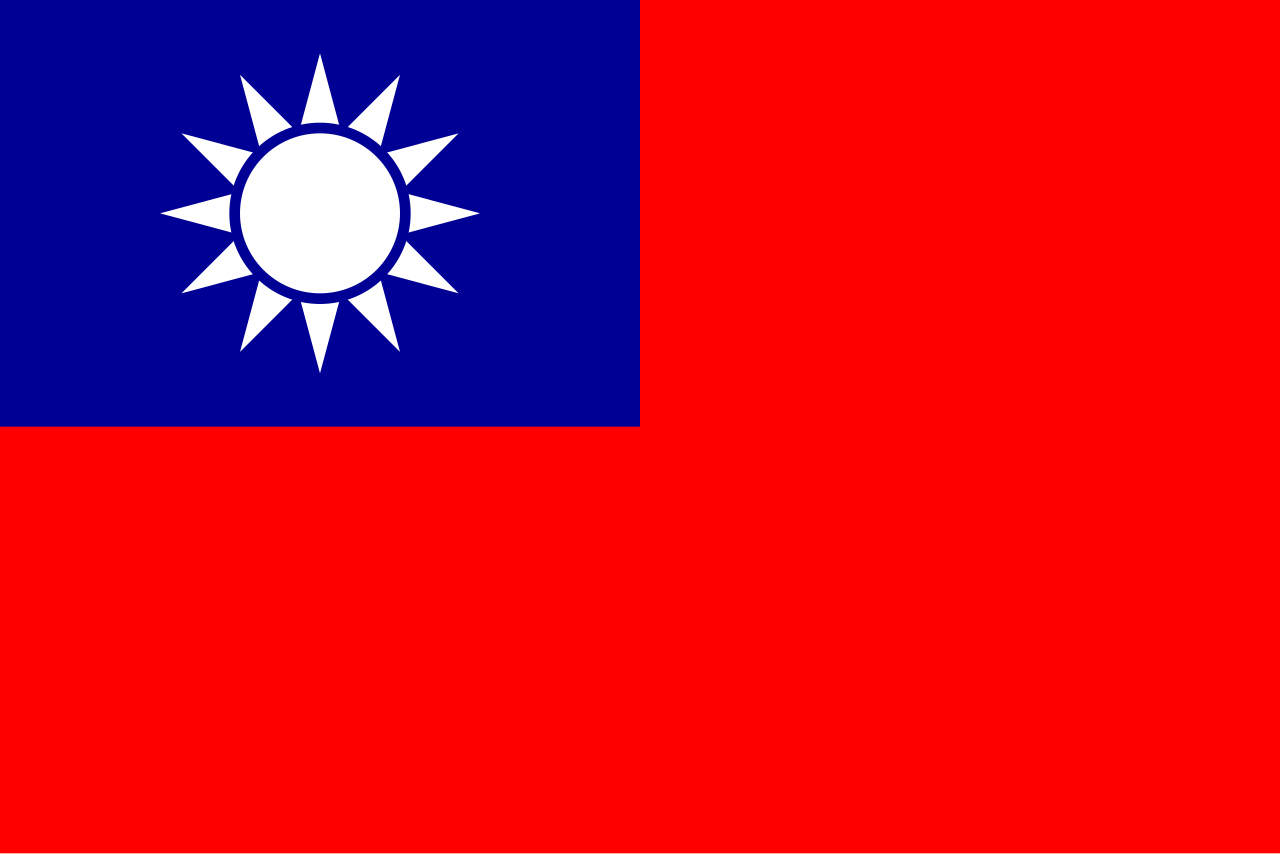
Taiwan
Opens Google Maps in new tab
Topography and Strategic Positioning
Taiwan's geography is defined by striking contrasts. The main island, officially known as the Republic of China (ROC), is a land of dramatic elevation changes. Mountain ranges dominate the eastern two-thirds, featuring rugged peaks and dense forests, while the western third comprises fertile plains. This western region is where the majority of Taiwan's highly urbanized population is concentrated, including its capital, Taipei, and the sprawling metropolitan area of New Taipei City and Keelung.
The island's strategic location in the northwestern Pacific Ocean places it at a critical nexus between major East Asian powers: the People's Republic of China (PRC) to the northwest, Japan to the northeast, and the Philippines to the south. This positioning has historically influenced its development and continues to shape its international relations. The total territory under ROC control encompasses 168 islands, adding to its geographical complexity.
A Tapestry of Migrations and Rule
The human history of Taiwan is a rich narrative of migration and evolving governance. Archaeological evidence suggests settlement dating back at least 25,000 years, with the ancestors of Taiwan's indigenous peoples establishing communities around 6,000 years ago. Significant Han Chinese immigration began in the 17th century, initially under Dutch colonial rule and later during the Kingdom of Tungning.
The island was incorporated into the Qing dynasty's territory in 1683. In 1895, following the First Sino-Japanese War, Taiwan was ceded to the Empire of Japan, marking a period of Japanese colonial administration. After Japan's surrender in World War II, the Republic of China assumed control.
However, the subsequent Chinese Civil War led to the ROC government relocating to Taiwan in 1949. This event fundamentally altered Taiwan's political trajectory, establishing the foundation for its modern identity and governance.
The 'Taiwan Miracle' and Global Economic Integration
Taiwan's economic transformation in the latter half of the 20th century is often referred to as the 'Taiwan Miracle.' Beginning in the early 1960s, the island experienced rapid industrialization and sustained high economic growth, transitioning from an agrarian society to a global manufacturing hub. This export-oriented economy is now a significant player on the world stage, ranking among the largest globally by nominal GDP and purchasing power parity. Key industries include steel, machinery, electronics, and chemicals.
Taiwan is renowned for its technological innovation, particularly in semiconductors and consumer electronics, making it a vital link in global supply chains. Its status as a developed country is further underscored by its high rankings in human development, healthcare, and civil liberties.
Navigating Political Identity and International Standing
Taiwan's political status is a complex and contentious issue. Although the ROC was a founding member of the United Nations, it lost its seat to the PRC in 1971. The ROC maintained a claim to represent all of China until 1991, after which its political stance evolved.
Today, the PRC claims Taiwan as part of its territory, refusing diplomatic relations with countries that recognize the ROC. Consequently, Taiwan maintains official diplomatic ties with only a limited number of UN member states and the Holy See, while engaging in extensive unofficial relations through representative offices. Domestically, political discourse often centers on the future relationship with mainland China, with differing views between those favoring eventual unification and those advocating for eventual independence.
This ongoing debate shapes Taiwan's unique political landscape and its place in the international community.
A Commitment to Education and Democratic Values
Education is a cornerstone of Taiwan's development and societal progress. The country places a strong emphasis on academic achievement, with a robust system that includes compulsory education and numerous higher education institutions. This focus on learning has been instrumental in fostering the skilled workforce that drives Taiwan's advanced economy, particularly in technology and manufacturing.
Furthermore, Taiwan's transition to a multi-party democracy in the late 20th century has solidified its commitment to civil liberties and political freedom. The establishment of democratically elected presidents starting in 1996 marked a significant milestone. This democratic framework allows for open public discourse and participation, contributing to a dynamic and engaged society that values both innovation and individual rights, setting it apart in the region.
Go deeper
Based on content from Wikipedia · Licensed under CC BY-SA 4.0