

Serbia
Images
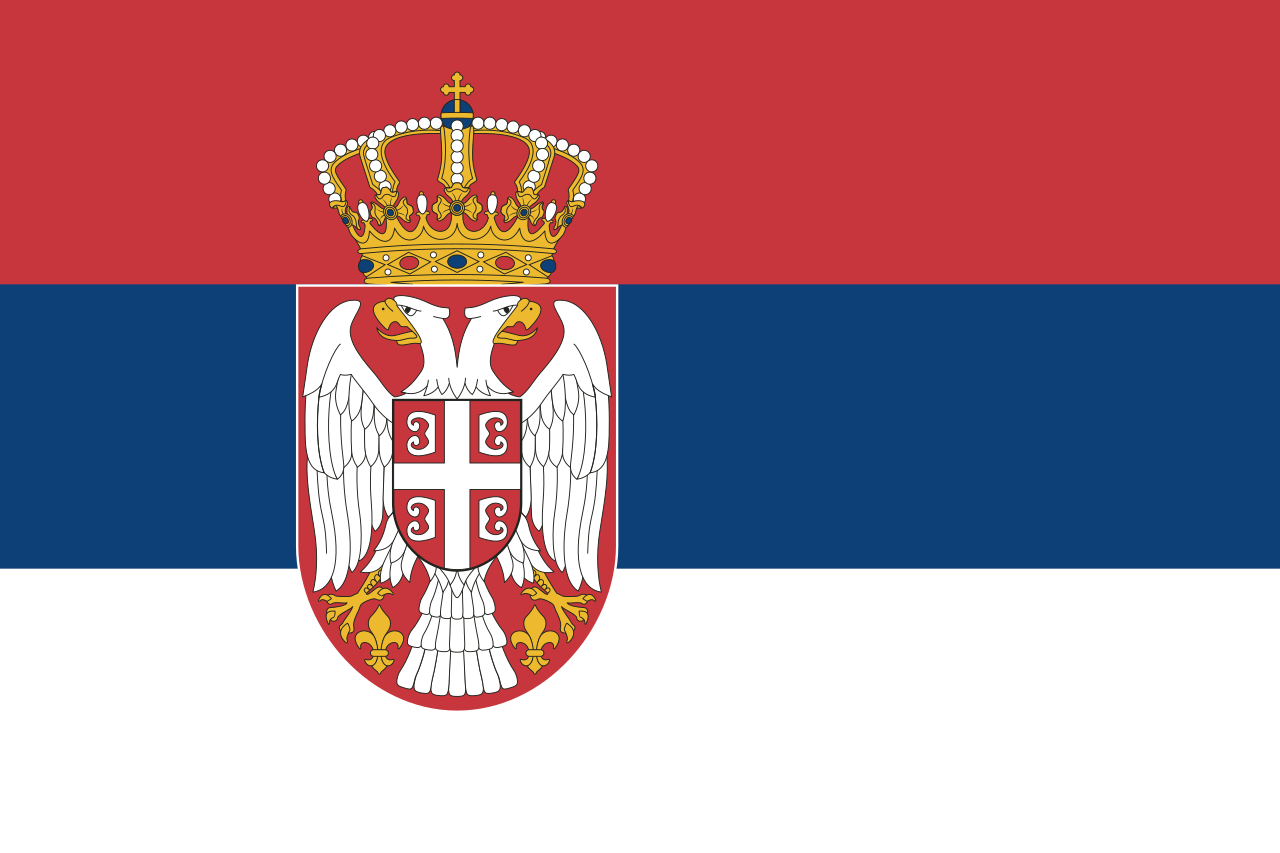
Serbia
Opens Google Maps in new tab
Serbia's Strategic Position and Geographic Identity
Serbia occupies a pivotal position in Southeast and Central Europe, situated in the Balkan Peninsula. Its landlocked status is a defining geographic characteristic, influencing its historical development and economic interactions. Bordering Hungary to the north, Romania and Bulgaria to the northeast and southeast respectively, North Macedonia to the south, and Croatia and Bosnia and Herzegovina to the west and southwest, Serbia acts as a crucial bridge between Western and Eastern Europe.
The country also maintains a complex relationship with Albania due to the disputed territory of Kosovo. This central location has historically made Serbia a crossroads for trade, migration, and cultural exchange, leading to a rich and multifaceted identity. The landscape varies from the fertile plains of Vojvodina in the north to the mountainous regions in the south, offering diverse ecosystems and resources.
The Danube and Sava rivers are vital arteries, shaping settlement patterns and economic activity, particularly in the capital, Belgrade.
A Chronicle of Resilience
The territory of modern-day Serbia boasts a continuous human presence dating back to the Paleolithic era. The 6th century saw significant Slavic migrations, laying the foundation for future statehood. In the Early Middle Ages, various regional Serbian states emerged, often interacting with powerful neighbors like the Byzantine and Hungarian Empires.
A significant milestone was the recognition of the Serbian Kingdom by the Holy See and Constantinople in 1217, culminating in the Serbian Empire's territorial zenith in 1346. However, this golden age was followed by centuries of Ottoman rule, punctuated by periods of Habsburg influence, particularly in Vojvodina. The 19th century marked a resurgence with the Serbian Revolution, establishing a constitutional monarchy and paving the way for national independence.
Post-World War I, Serbia was instrumental in forming the Kingdom of Yugoslavia, a South Slavic state that underwent various political transformations until its dissolution during the Yugoslav Wars of the 1990s. The peaceful dissolution of the union with Montenegro in 2006 restored Serbia's full independence, though the status of Kosovo remains a significant geopolitical issue.
Belgrade
Belgrade, Serbia's capital and largest city, is a testament to the nation's enduring spirit and strategic importance. Perched at the confluence of the Sava and Danube rivers, it has been a vital hub for millennia, witnessing the rise and fall of numerous civilizations. Its history is etched into the very fabric of the city, most notably within the imposing Belgrade Fortress, a complex of walls and ramparts that has stood guard for centuries.
The city is a vibrant metropolis, blending historical architecture with modern infrastructure, reflecting its role as the political, economic, and cultural epicenter of Serbia. Belgrade's dynamic atmosphere, characterized by its lively arts scene, diverse culinary offerings, and bustling nightlife, attracts visitors and residents alike, embodying the resilience and forward-looking aspirations of the Serbian people.
Socio-Economic Landscape and European Aspirations
Serbia operates as an upper-middle income economy, providing universal healthcare and free primary and secondary education, underscoring a commitment to social welfare and human capital development. The nation is a unitary parliamentary constitutional republic, actively participating in international organizations such as the UN, Council of Europe, and OSCE. Serbia's economic structure is diverse, with key sectors including manufacturing, agriculture, and services.
The country is actively pursuing accession to the European Union, a process that began in 2014 and signifies its strategic alignment with European economic and political frameworks. This aspiration for EU membership, potentially by 2030, highlights Serbia's commitment to modernization and integration. Furthermore, Serbia formally adheres to a policy of military neutrality, reflecting its independent foreign policy stance.
Go deeper
Frequently Asked Questions
What is the capital city of Serbia?+
Why is Serbia called a landlocked country?+
Where does the Danube River flow through Serbia?+
How did Serbia become independent in the 19th century?+
What is special about Belgrade Fortress?+
Based on content from Wikipedia · Licensed under CC BY-SA 4.0