

Paleolithic
Images
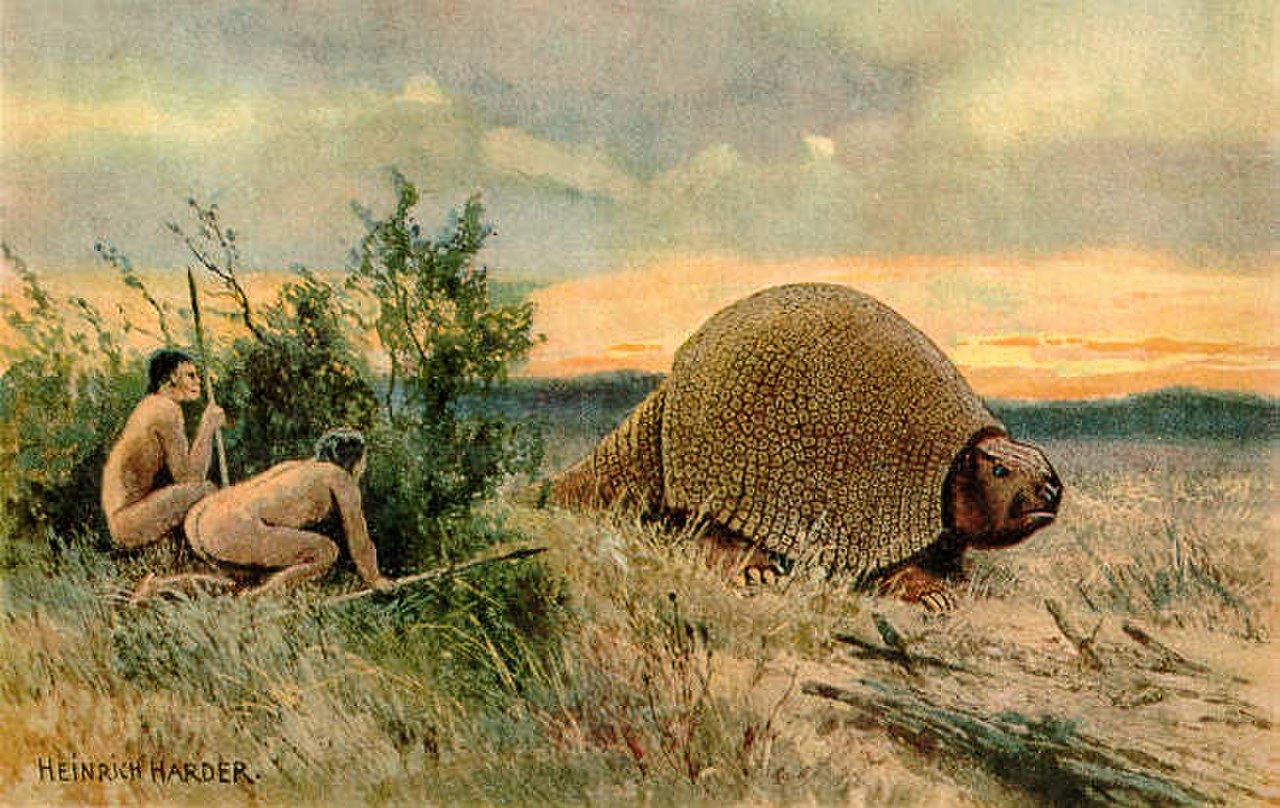
Paleolithic
Chronological Scope and Hominin Evolution
The Paleolithic, or Old Stone Age, represents the longest and most formative period in human prehistory, spanning from approximately 2.6 million years ago to around 10,000 BCE. This immense timeframe witnessed the evolutionary journey of hominins from early Australopithecines and Homo habilis, who first developed rudimentary stone tools, through Homo erectus, who mastered fire and migrated out of Africa, to the emergence of Homo sapiens and Neanderthals.
The Paleolithic is not a monolithic block but is often subdivided into Lower, Middle, and Upper Paleolithic periods, each marked by distinct technological advancements, behavioral patterns, and hominin species. Understanding this vast chronology is crucial for appreciating the slow, incremental progress that characterized early human development and adaptation across diverse environments.
Technological Innovations and Subsistence Strategies
The hallmark of the Paleolithic is the development of stone tool technology, evolving from simple Oldowan choppers to the more sophisticated Acheulean hand axes and the diverse, specialized tools of the Middle and Upper Paleolithic, such as blades, points, and burins. These tools were indispensable for survival, enabling efficient butchering of game, processing of plant foods, crafting of wooden implements, and working of animal hides. Subsistence was primarily based on hunting and gathering, with nomadic or semi-nomadic lifestyles dictated by the seasonal availability of resources and the migratory patterns of game animals.
The control and use of fire, a critical innovation likely achieved during the Lower Paleolithic, provided warmth, protection, a means for cooking, and a social focal point, profoundly impacting human physiology and social organization.
The Emergence of Symbolic Thought and Culture
The Upper Paleolithic (roughly 40,000 to 10,000 BCE) is particularly renowned for the explosion of symbolic behavior and complex culture. This period saw the creation of sophisticated cave art, such as the parietal art of Lascaux and Altamira, which depicted animals with remarkable naturalism and likely served ritualistic, shamanistic, or educational purposes. Portable art, including carved figurines (like the Venus figurines, often interpreted as fertility symbols) and engraved objects, also became widespread.
Furthermore, evidence of elaborate burial practices, including the inclusion of grave goods, suggests developing concepts of the afterlife and social stratification. The development of more complex language, though not directly preserved, is inferred from the sophistication of these cultural expressions and the increasing coordination required for cooperative hunting and social organization.
Paleolithic Legacy and Modern Relevance
The Paleolithic era is not merely a distant historical curiosity; it is the bedrock upon which all subsequent human history is built. The fundamental technologies, social structures, and cognitive abilities that emerged during this period continue to shape our world. Our capacity for innovation, our reliance on tools, our complex social interactions, and even our artistic impulses have deep roots in Paleolithic adaptations.
Studying this era provides critical insights into human evolution, the development of cognition, and the long-term sustainability of human societies. Understanding the challenges and successes of Paleolithic peoples offers valuable perspectives on human resilience, adaptability, and our enduring connection to the natural environment, informing contemporary discussions on conservation, resource management, and the very definition of what it means to be human.
Go deeper
Based on content from Wikipedia · Licensed under CC BY-SA 4.0