

Croatia
Images
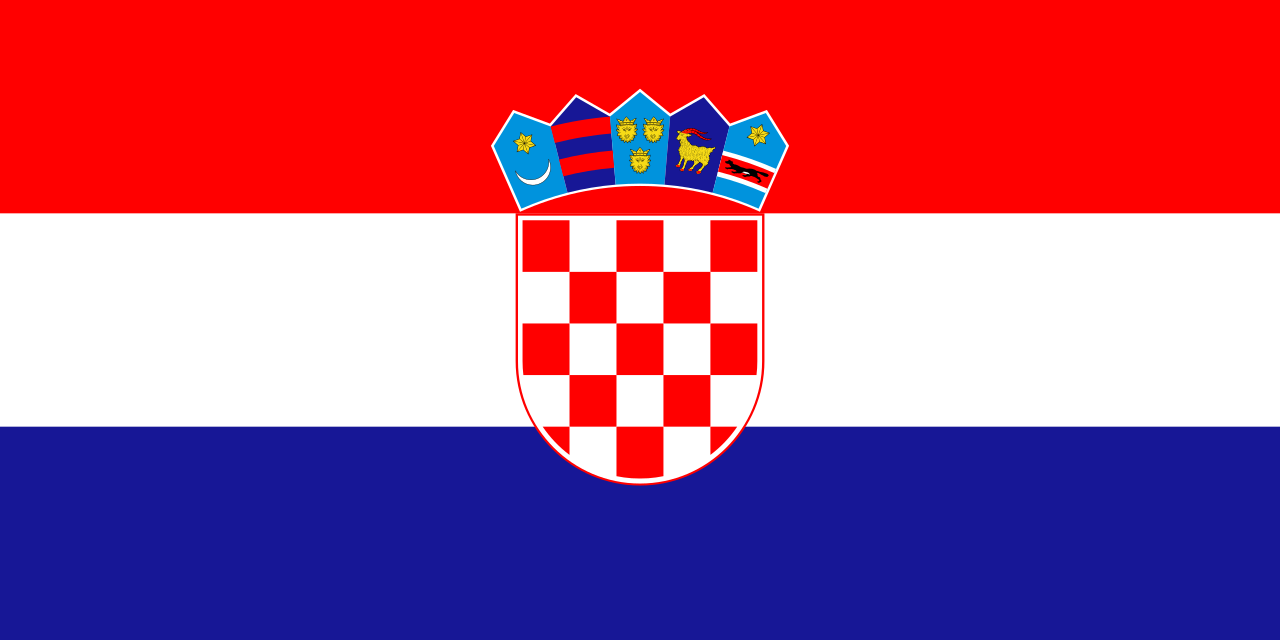
Croatia


Opens Google Maps in new tab
Geopolitical Significance and Diverse Landscapes
Croatia occupies a strategically vital position in Central and Southeast Europe, serving as a bridge between Western and Eastern Europe and boasting an extensive Adriatic coastline. This unique geography has shaped its history and culture profoundly. The country's territory spans 56,594 square kilometers, encompassing a diverse range of landscapes.
The coastal region is characterized by a Mediterranean climate, featuring over 1,200 islands, islets, and reefs, alongside dramatic karst topography and ancient Roman ruins. Inland, the climate transitions to continental, with fertile plains in Slavonia supporting significant agriculture, and mountainous regions offering opportunities for outdoor recreation. Its capital, Zagreb, is a major political, economic, and cultural center, while other significant urban areas like Split, Rijeka, and Osijek contribute to the nation's regional diversity and economic activity.
This varied geography influences everything from its economy to its national identity.
A Millennia-Long Journey Through Empires and Independence
Croatia's historical trajectory is a complex tapestry woven through centuries of shifting powers and evolving identities. The arrival of the Croats in the 7th century marked the beginning of a distinct national entity, which was first internationally recognized in 879. The establishment of a kingdom under King Tomislav by 925 signifies a peak of early statehood.
Subsequent centuries saw Croatia enter personal unions with Hungary in 1102 and later faced Ottoman expansion, leading to its election of Ferdinand I of Austria as king in 1527. The 20th century brought further upheaval, including its incorporation into the Kingdom of Yugoslavia, the brutal period of the Independent State of Croatia during World War II, and its subsequent status as a republic within the Socialist Federal Republic of Yugoslavia.
The declaration of independence on June 25, 1991, and the subsequent War of Independence (1991-1995) were pivotal moments, culminating in Croatia's establishment as a sovereign nation and its integration into modern European structures.
Cultural Richness and Societal Fabric
The cultural landscape of Croatia is a vibrant fusion of its historical influences, from Roman and Venetian to Austro-Hungarian and Slavic traditions. This is reflected in its architecture, music, literature, and cuisine. The Croatian language, written in the Latin alphabet, is the official language, fostering a strong sense of national unity.
Croatian society places a high value on family and community, with traditions often celebrated through local festivals and religious observances. The country is home to numerous UNESCO World Heritage sites, such as Diocletian's Palace in Split and the Plitvice Lakes National Park, underscoring its rich cultural and natural heritage. Croatia actively participates in international cultural exchanges, promoting its unique artistic expressions and historical narratives on a global stage.
Its commitment to social welfare is evident in its provision of universal healthcare and tuition-free primary and secondary education.
Economic Development and European Integration
Croatia is a developed country with an advanced, high-income economy that has undergone significant transformation, particularly following its accession to the European Union in 2013. Key sectors driving the economy include services, industry, and agriculture. Tourism is a cornerstone, attracting millions of international visitors annually and contributing substantially to GDP. Recognizing the need for modernization, the Croatian government has prioritized infrastructure development, especially transport networks along Pan-European corridors, facilitating trade and connectivity.
Furthermore, Croatia is positioning itself as a regional energy hub, exemplified by its floating liquefied natural gas (LNG) import terminal on Krk island, LNG Hrvatska, which diversifies Europe's energy supply. The country's integration into the Eurozone and the Schengen Area further solidifies its economic ties within the EU, promoting stability and further growth.
Governance and International Standing
The Republic of Croatia operates as a parliamentary democracy, with a multi-party system and a clear separation of powers. The President serves as the head of state, while the Prime Minister leads the government, responsible to the Croatian Parliament (Sabor). Croatia's commitment to democratic principles and international cooperation is demonstrated by its membership in key global and regional organizations, including the United Nations, NATO, and the Council of Europe.
Its active role in UN peacekeeping missions and its past non-permanent seat on the UN Security Council highlight its dedication to global security and diplomacy. As a member of the European Union and the Eurozone, Croatia plays an integral role in shaping European policy and economic integration, contributing to the continent's collective stability and prosperity.
Go deeper
Frequently Asked Questions
What does Croatia look like?+
Where is Croatia located?+
When did Croatia become independent?+
Why is Diocletian's Palace famous?+
How does Croatia care for its people?+
Based on content from Wikipedia · Licensed under CC BY-SA 4.0