

Kosovo
Images
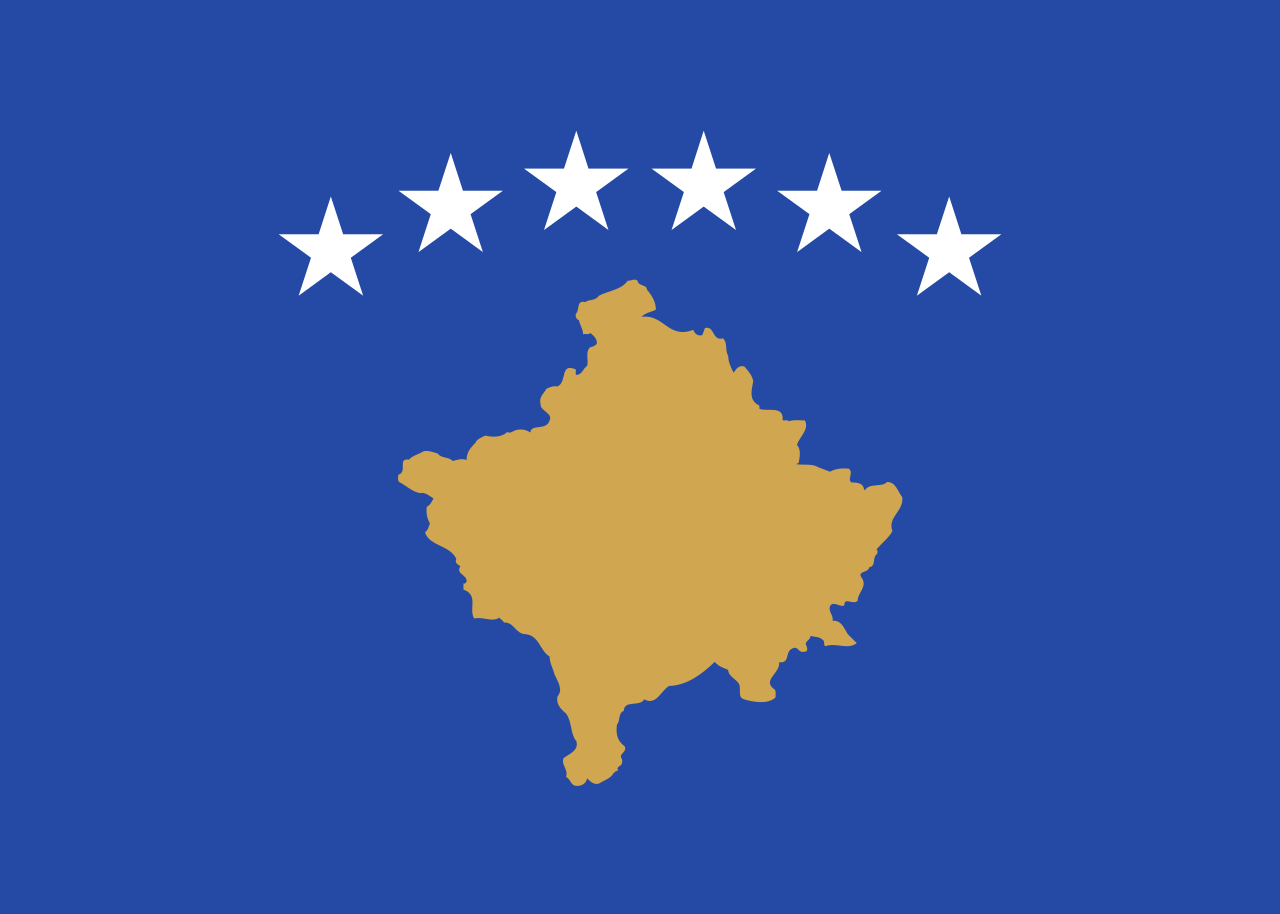
Kosovo
Opens Google Maps in new tab
Geographical Foundation and Climatic Influences
Kosovo's geography is a defining element of its character and history. Situated in the Balkan Peninsula of Southeast Europe, it is a landlocked territory covering 10,887 square kilometers. Its terrain is remarkably varied, presenting a mosaic of high plains, undulating hills, and formidable mountain ranges, with some peaks exceeding 2,500 meters in altitude.
This dramatic topography has historically influenced settlement patterns, trade routes, and defense strategies. The climate is predominantly continental, marked by distinct seasonal shifts, but it also experiences Mediterranean influences in the south and Alpine conditions in the higher elevations. This climatic diversity supports a range of ecosystems and agricultural possibilities, though water resources and their management are critical considerations for the nation's development and stability.
A Palimpsest of Empires and Nations
The historical narrative of Kosovo is exceptionally rich and layered, tracing back to antiquity with the Illyrian Dardani people, who established a kingdom whose center likely lay near modern-day Lipjan. Its strategic location made it a coveted territory, subsequently incorporated into the Roman Empire and later the Byzantine Empire, where it was organized as the Theme of Dardania. The region witnessed significant demographic shifts with Slavic migrations in the 6th and 7th centuries, leading to periods of control by both Byzantines and the First Bulgarian Empire.
A pivotal era began in the 13th century when Kosovo became integral to the medieval Serbian state, serving as a spiritual and political heartland, notably with the establishment of the Serbian Patriarchate. The Battle of Kosovo in 1389 against the expanding Ottoman Empire remains a profound historical and cultural touchstone, symbolizing national identity and resistance. Following centuries of Ottoman rule, which ended in 1912, Kosovo's modern political journey involved integration into the Kingdom of Serbia, then becoming an autonomous province within Yugoslavia, and ultimately declaring independence in 2008.
Ethnic Diversity and Cultural Dynamics
Kosovo is characterized by a complex ethnic composition, with ethnic Albanians forming the vast majority, approximately 92% of the nearly 1.6 million population. Serbian communities also reside in Kosovo, and both Albanian and Serbian are recognized as official languages, reflecting the country's historical and demographic realities. This diversity has been a source of both cultural richness and historical tension. The capital, Pristina, is a dynamic urban center, while cities like Prizren, with its Ottoman-era architecture and diverse heritage, and Peja, gateway to the Accursed Mountains, showcase different facets of Kosovar identity.
Cultural life is vibrant, influenced by centuries of interaction between Balkan, Ottoman, and European traditions, evident in its music, cuisine, and artistic expressions. Understanding these cultural dynamics is crucial for appreciating the nation's social fabric.
Economic Development and International Integration
As a developing nation with an upper-middle-income economy, Kosovo has focused on post-conflict reconstruction and economic growth. Despite challenges, it has achieved solid economic expansion over the past decade, supported by international financial institutions. Key sectors include services, trade, and mining, with significant reserves of coal and lead.
Kosovo actively participates in the global economy, holding memberships in the International Monetary Fund and the World Bank Group. Its aspirations for deeper integration are evident in its applications for membership in organizations like the Council of Europe and its formal bid to join the European Union. This pursuit of international recognition and cooperation is central to its long-term development strategy and geopolitical positioning.
Governance and the Path to Statehood
Kosovo's political journey is marked by its declaration of independence from Serbia on February 17, 2008. This act has been recognized by over 100 UN member states, but Serbia continues to claim Kosovo as its autonomous province. The 2013 Brussels Agreement established a framework for normalizing relations between Kosovo and Serbia, acknowledging the governing authority of Kosovo's institutions.
Kosovo operates as a parliamentary republic with a multi-party system. The government's primary objectives include strengthening state institutions, promoting the rule of law, fostering economic development, and achieving full international recognition. The ongoing process of state-building and navigating complex international relations remains a central theme in Kosovo's contemporary political landscape.
Go deeper
Frequently Asked Questions
What is Kosovo?+
Where is Kosovo located?+
Why is the Battle of Kosovo important?+
Who lives in Kosovo?+
What are the official languages of Kosovo?+
Based on content from Wikipedia · Licensed under CC BY-SA 4.0