

North Macedonia
Images
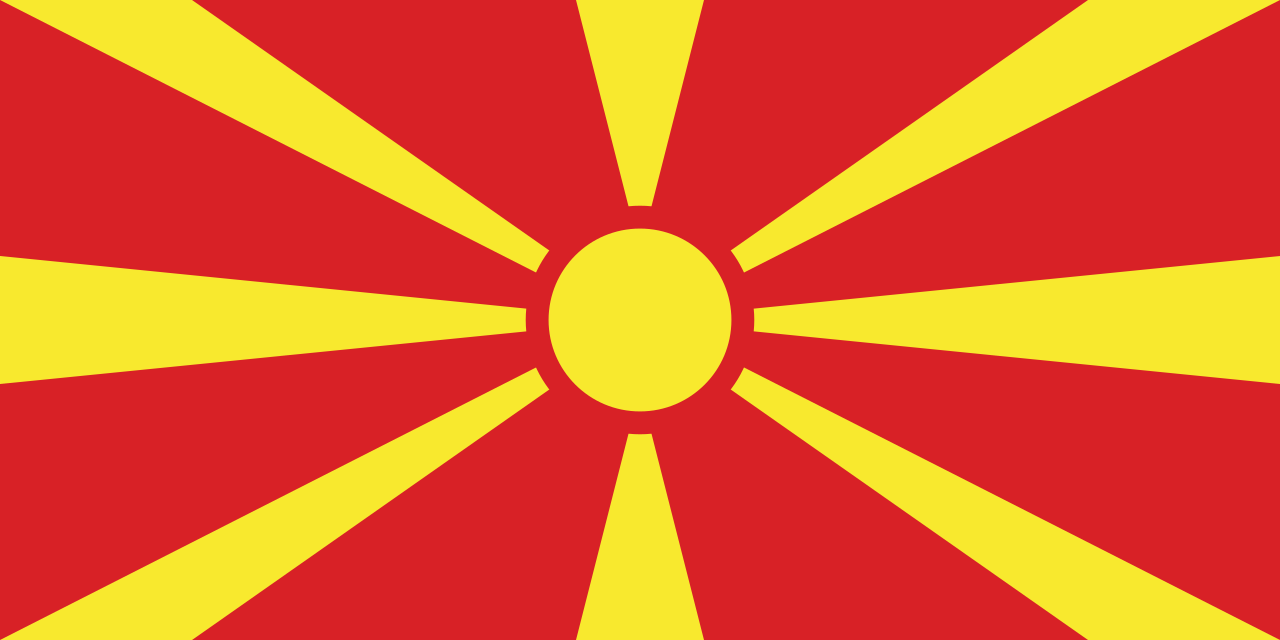
North Macedonia
Opens Google Maps in new tab
Echoes of Antiquity and Imperial Legacies
The territory of North Macedonia boasts a history that stretches back to antiquity, initially inhabited by the Paeonians. Its strategic location made it a coveted prize for successive empires. The region was absorbed into the Achaemenid Persian Empire before becoming a crucial part of the Hellenistic Kingdom of Macedonia in the 4th century BC, a period that saw the rise of figures like Alexander the Great.
Roman conquest in the 2nd century BC integrated it into the Roman province of Macedonia. Following the decline of Rome, the area became a contested territory, frequently raided and settled by Slavic tribes from the 6th century CE onwards. For centuries, it was a geopolitical chessboard, with the Byzantine, Bulgarian, and Serbian Empires vying for control.
This prolonged period of external rule, culminating in over five centuries under the Ottoman Empire from the mid-14th century until the early 20th century, profoundly shaped its cultural, religious, and social fabric, leaving indelible marks of diverse influences.
The Crucible of the 20th Century
The dissolution of the Ottoman Empire and the subsequent Balkan Wars in the early 20th century redrew the map of the region, placing the modern territory of North Macedonia under Serbian rule. Its strategic importance during World War I led to its occupation by Bulgaria. Post-war, it was incorporated into the Kingdom of Serbs, Croats, and Slovenes, which later evolved into Yugoslavia.
The nation experienced another Bulgarian occupation during World War II. In 1945, it was established as a constituent socialist republic within the Socialist Federal Republic of Yugoslavia. This period, lasting until 1991, was characterized by a unique form of communism that allowed for significant autonomy for its constituent republics.
The peaceful secession in 1991 marked the birth of a sovereign state, embarking on a new chapter of self-determination after decades of external domination and federal integration.
The 'Macedonia' Naming Dispute
The international recognition of the newly independent state was significantly complicated by a protracted naming dispute with Greece. Greece objected to the use of the name 'Macedonia' due to its own northern region bearing the same name, fearing territorial claims and the appropriation of ancient Macedonian heritage. This dispute led to the country's admission to the United Nations in 1993 under the provisional designation 'the former Yugoslav Republic of Macedonia' (FYROM).
The resolution of this complex issue was a major diplomatic achievement. In 2018, the Prespa Agreement was signed, stipulating the country's renaming to the Republic of North Macedonia. This agreement, which came into effect in February 2019, resolved the long-standing bilateral conflict, paving the way for enhanced regional cooperation and North Macedonia's integration into Euro-Atlantic structures.
Contemporary North Macedonia
North Macedonia today is an upper-middle-income country that has actively pursued economic reforms to foster an open market economy since its independence. It is recognized for its high Human Development Index and notably low income inequality, reflecting a commitment to social equity. The state provides comprehensive social security, a universal healthcare system, and free primary and secondary education, underscoring its dedication to citizen welfare.
As a member of NATO and the Council of Europe, North Macedonia demonstrates its commitment to democratic values and collective security. It is also a candidate for accession to the European Union, actively working to meet the criteria for membership, signaling its strategic orientation towards deeper integration with Western European institutions and its ongoing efforts to solidify its place on the international stage.
Go deeper
Frequently Asked Questions
What is North Macedonia and where is it located?+
Why does North Macedonia have a special name like "North Macedonia"?+
How did North Macedonia become an independent country?+
What happened to North Macedonia during the world wars?+
What is special about North Macedonia's mountains and history?+
Based on content from Wikipedia · Licensed under CC BY-SA 4.0