

Belgrade
Images
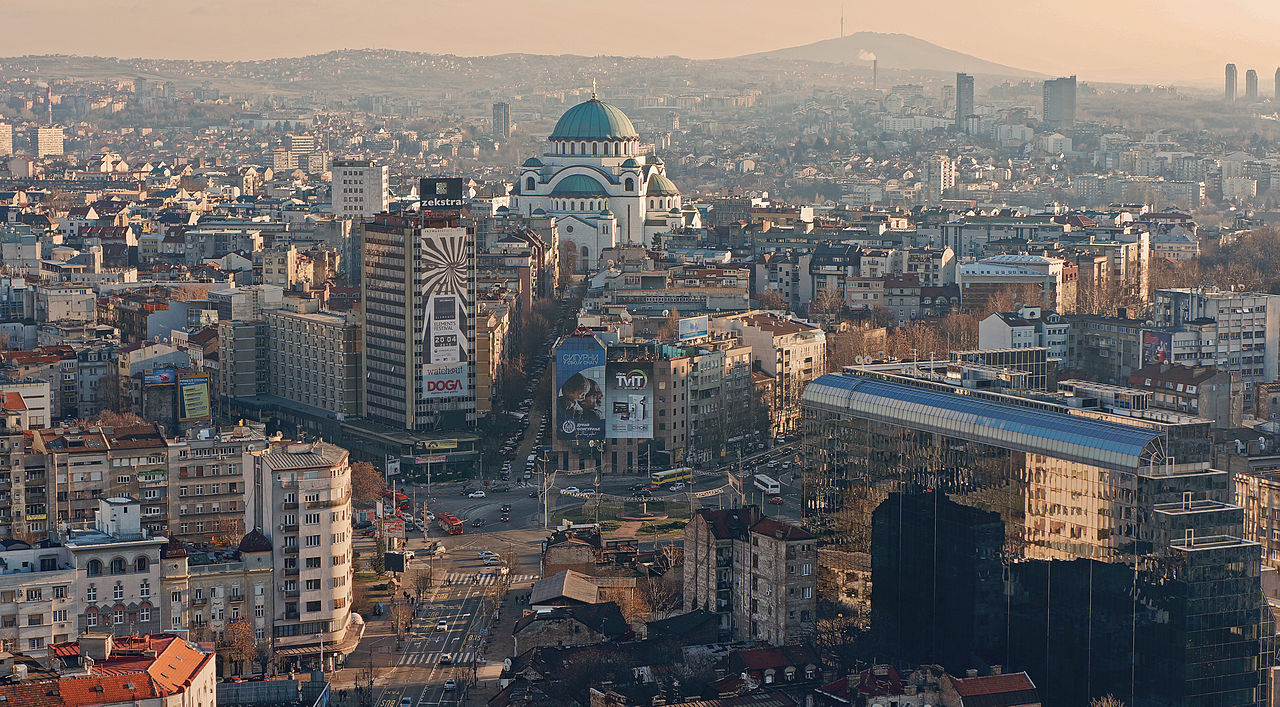
Belgrade


Geopolitical Crossroads
Belgrade's identity is inextricably linked to its commanding geographical position. Situated in the Pannonian Basin at the confluence of the Sava and Danube rivers, it has historically served as a crucial bridge between Eastern and Western Europe. This strategic location, where the wide, slow Sava meets the mighty Danube, has made it a vital transit point for trade, migration, and military campaigns for millennia.
The city's topography, spread across seven hills, provides natural defensive advantages and offers expansive vistas, influencing urban development and architectural planning. The continental climate dictates distinct seasons, with hot, humid summers conducive to outdoor life and cold, often snowy winters. This interplay of riverine dynamics, elevated terrain, and climatic patterns has profoundly shaped Belgrade's urban fabric, its economic activities, and its enduring role as a geopolitical nexus.
Stratified Histories
The historical narrative of Belgrade is one of constant flux and remarkable endurance. Evidence suggests settlements dating back to the Neolithic period, but its strategic importance truly emerged with the Celts and Romans. Over centuries, it has been a frontier city, a coveted prize, and a battleground for empires including the Byzantine, Bulgarian, Hungarian, Ottoman, and Austro-Hungarian. The formidable Belgrade Fortress, Kalemegdan, is not merely a historical monument but a palimpsest of architectural styles and military adaptations, having been razed and rebuilt over 40 times.
Its history is punctuated by pivotal events, from the siege by Suleiman the Magnificent to its role in the Balkan Wars and World Wars. This legacy of destruction and reconstruction has forged a unique urban character, where layers of history are visibly integrated into the modern cityscape, fostering a deep sense of national identity and historical consciousness among its populace.
Cultural Synthesis
Belgrade pulsates with a rich and multifaceted cultural life, reflecting its complex history and its position as a crossroads of civilizations. The city is renowned for its energetic arts scene, encompassing literature, visual arts, theatre, and music, often characterized by a blend of traditional Balkan influences and contemporary European trends. Its legendary nightlife, particularly along the Sava and Danube rivers with its 'splavovi' (floating clubs), is a significant draw.
The Serbian language, with its unique Cyrillic script, is the primary tongue, but English is widely understood in urban centers. Belgrade's social fabric is marked by a strong sense of community and a spirited, often passionate, approach to life. The city's bohemian quarter, Skadarlija, preserves a nostalgic atmosphere of 19th-century Belgrade, while modern galleries and performance spaces showcase cutting-edge artistic endeavors, creating a dynamic cultural dialogue.
Economic Hub and Educational Center
As the undisputed economic and administrative heart of Serbia, Belgrade drives the nation's development. Its economy is diverse, with significant contributions from the service sector, particularly IT, telecommunications, finance, and trade. The city has actively courted foreign direct investment, leveraging its strategic location, relatively low operational costs, and a well-educated workforce.
Belgrade serves as a critical transportation nexus, boasting Nikola Tesla Airport, extensive rail connections, and river port facilities that facilitate regional and international commerce. Furthermore, it is the country's premier educational center, hosting the University of Belgrade, one of the oldest and largest universities in the region, alongside numerous specialized institutions. This concentration of economic activity and academic excellence positions Belgrade as a key player in Southeastern Europe's evolving landscape, fostering innovation and providing opportunities for its growing population.
Governance and Urban Development
Belgrade operates as a unified city within Serbia, with its own administrative structure headed by a Mayor and City Assembly. Its governance is tasked with managing the complex needs of a rapidly evolving capital, balancing historical preservation with modern urban development. Key challenges include infrastructure upgrades, sustainable urban planning, and addressing environmental concerns related to its riverine environment.
The city's development strategy often focuses on enhancing its role as a regional economic hub, improving public services, and promoting tourism. Significant urban renewal projects, particularly along the riverfronts, aim to modernize the city while respecting its historical context. The ongoing process of European integration also influences Belgrade's governance and development policies, aligning its standards and practices with those of the European Union.
Go deeper
Frequently Asked Questions
What makes Belgrade special because of its rivers?+
Why is the Belgrade Fortress, Kalemegdan, so famous?+
How many hills is Belgrade built on?+
What is a splav?+
What languages do people speak in Belgrade?+
Based on content from Wikipedia · Licensed under CC BY-SA 4.0