

Schleswig-Holstein
Images

Bundesarchiv DVM 10 Bild-23-63-47, Linienschiff 'Schleswig-Holstein'



Geostrategic Location and Diverse Landscapes
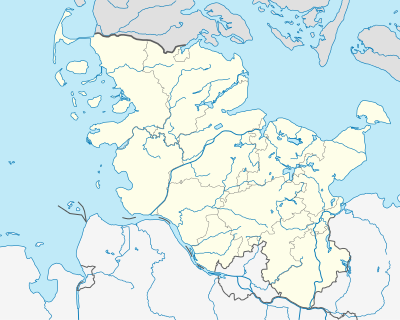
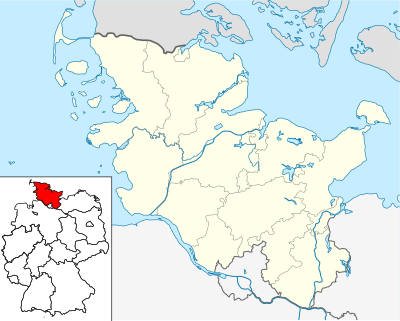
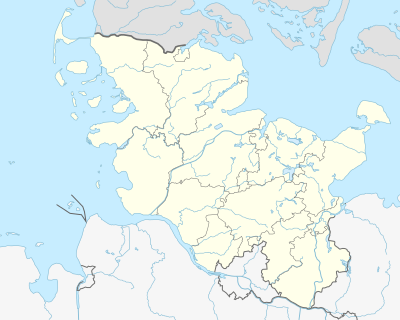
Schleswig-Holstein occupies a pivotal geographical position at the southern end of the Jutland Peninsula, serving as a crucial land bridge between Scandinavia and continental Europe. Its territory is defined by two distinct coastlines: the tidal flats and marshlands of the North Sea, and the more varied, island-dotted shores of the Baltic Sea. This duality creates a diverse range of ecosystems, from the Wadden Sea National Park, a UNESCO World Heritage site, to the glacial moraines and numerous lakes inland.
The state's relatively low elevation, with the highest point only reaching about 168 meters, makes it susceptible to sea-level rise but also ideal for extensive agriculture and the construction of vital infrastructure like the Kiel Canal. The climate is temperate maritime, characterized by moderate temperatures and significant precipitation, fostering a verdant landscape that supports its strong agricultural sector.
A Contested History
The historical narrative of Schleswig-Holstein is one of persistent political and cultural contention, primarily between Danish and German spheres of influence. The region's identity was forged through the complex relationship between the Duchy of Holstein, historically part of the Holy Roman Empire and later the German Confederation, and the Duchy of Schleswig, which was under Danish suzerainty. The union of these duchies under the Danish crown from 1460, while ruled separately, created a unique political entity.
The 19th century saw intense nationalist fervor culminate in the Schleswig-Holstein Question, a protracted dispute that led to the Second Schleswig War (1864) and the region's incorporation into Prussia. Post-World War I, plebiscites were held, resulting in North Schleswig's return to Denmark. Following World War II, Schleswig-Holstein became a vital reception area for over a million refugees, significantly altering its demographic and social fabric and solidifying its post-war German federal state status.
Economic Pillars
Schleswig-Holstein's economy is a dynamic blend of traditional strengths and modern innovation, heavily influenced by its geography. Agriculture remains a cornerstone, with a focus on dairy farming, particularly the globally recognized Holstein Friesian cattle breed, and crop production. Its extensive coastline supports a significant fishing industry and robust maritime economy, encompassing shipbuilding, port logistics, and offshore services.
The Kiel Canal, a marvel of engineering, is a critical artery for global shipping, significantly reducing transit times. In recent decades, the state has emerged as a leader in renewable energy, particularly wind power, with substantial offshore wind farms contributing significantly to Germany's energy mix. This diversification showcases an economy adept at leveraging its natural resources and strategic location for both traditional and future-oriented industries.
Cultural Mosaic and Societal Dynamics
The cultural landscape of Schleswig-Holstein is a rich mosaic reflecting its historical ties to Denmark, Germany, and the indigenous North Frisian people. This linguistic and cultural diversity is evident in its traditions, cuisine, and regional identities. Traditional dishes often feature seafood, such as the distinctive 'Labskaus,' a sailor's dish reflecting the region's maritime heritage.
The state's history as a refuge and transit point, particularly after WWII, has fostered a diverse and cosmopolitan society. Educational institutions, including the University of Kiel and the University of Lübeck, contribute to research and development, particularly in marine sciences, medicine, and renewable energy. The state actively promotes cultural exchange and heritage preservation, celebrating its unique position as a bridge between different European cultures.
Governance and Contemporary Relevance
As one of Germany's 16 federal states (Länder), Schleswig-Holstein possesses its own constitution and parliament (Landtag), with significant autonomy in areas such as education, culture, and internal security. The state government, led by a Minister-President, works in cooperation with the federal government on national matters. Its strategic location continues to be of geopolitical importance, influencing its role in international trade, maritime policy, and regional cooperation within the Baltic Sea region.
The state's ongoing efforts in sustainable development, particularly in renewable energy and coastal protection, position it as a model for addressing contemporary environmental and economic challenges. Its historical experience with border disputes and integration also offers valuable insights into managing multicultural societies and regional identities in a globalized world.
See also
Frequently Asked Questions
What is Schleswig-Holstein?+
Why does Schleswig-Holstein have both North Sea and Baltic Sea coastlines?+
How does the Kiel Canal help ships?+
What kind of animals are famous in Schleswig-Holstein?+
Why is wind power important in Schleswig-Holstein?+
Based on content from Wikipedia · Licensed under CC BY-SA 4.0