

Canal
Images
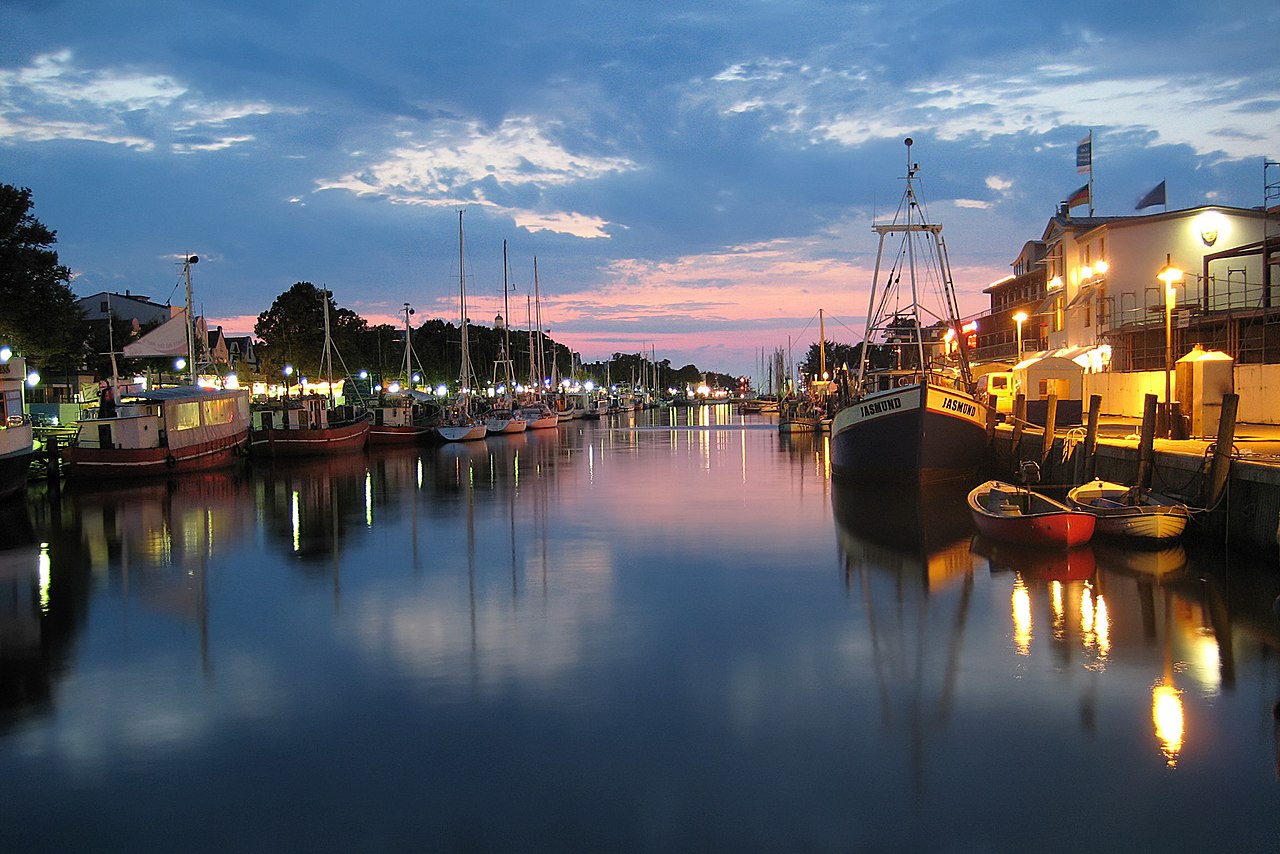
Canal


Geopolitical and Environmental Landscapes
Canals are not merely physical conduits; they are transformative elements of geography, often dictating settlement patterns and influencing regional climates. Their construction can alter natural drainage systems, impact biodiversity, and necessitate complex water management strategies. For instance, the construction of large-scale irrigation canals can lead to salinization of soils in arid regions if not managed carefully.
Conversely, canals can also be vital for ecological restoration projects, reconnecting fragmented aquatic habitats. Geopolitically, canals like the Suez and Panama canals are strategic choke points, holding immense global economic and military importance, influencing international relations and trade policies. Their existence often necessitates international cooperation for maintenance, security, and operational standards.
A Chronicle of Human Ingenuity and Ambition
The history of canals is a testament to human ambition and engineering prowess, stretching from ancient irrigation systems in Mesopotamia and Egypt to the grand maritime canals of the modern era. Early canals, often built with rudimentary tools, focused on agriculture and local transport. The Roman Empire utilized canals for aqueducts and military logistics.
The Enlightenment and Industrial Revolution saw a surge in canal building across Europe and North America, facilitating the movement of raw materials and manufactured goods, thereby fueling economic growth and urbanization. The construction of interoceanic canals, such as the Suez and Panama canals, represented monumental leaps in engineering, overcoming immense geographical and logistical challenges and fundamentally altering global shipping routes and trade dynamics.
The Economic Arteries of the World
Economically, canals are indispensable. They offer the most cost-effective mode of transport for bulk commodities, significantly reducing the per-unit cost of goods compared to road or rail. This efficiency is crucial for global supply chains, enabling the international movement of resources like oil, coal, iron ore, and agricultural products.
Canals foster economic development by connecting inland production centers to global markets and facilitating specialization. They also support ancillary industries, including shipping, logistics, port operations, and tourism. The economic viability of many nations and regions is intrinsically linked to the efficient functioning of their canal networks, making them critical infrastructure assets.
Engineering Complexities and Modern Innovations
The engineering behind canals is remarkably complex, often involving sophisticated hydrological studies, advanced excavation techniques, and intricate lock systems. Locks, such as those on the Panama Canal, are marvels of mechanical engineering, allowing vessels to ascend and descend between different water levels. Modern canal projects increasingly incorporate advanced technologies for monitoring water levels, managing sediment, and ensuring structural integrity.
Environmental sustainability is also a growing focus, with efforts to minimize ecological impact through improved design, habitat mitigation, and responsible water usage. Innovations in dredging technology and vessel design continue to enhance the capacity and efficiency of canal systems worldwide.
Governance, Policy, and Future Trajectories
The governance of major canals often involves international treaties, consortia, or dedicated governmental authorities, reflecting their global significance. Policies surrounding canal operation, tolls, security, and expansion are subjects of ongoing international negotiation and strategic planning. Future developments in canal technology may include larger lock systems to accommodate megaships, or even innovative concepts like canal-based renewable energy generation. The ongoing debate about the environmental impact of shipping and the potential for expanding canal networks highlights their continued relevance in a world grappling with climate change and the demands of global trade.
Education and research in hydraulic engineering, environmental science, and international law are crucial for managing and developing these vital waterways.
Go deeper
Frequently Asked Questions
What is a canal?+
Why do people build canals?+
How do canals help boats travel?+
Where are the most famous canals located?+
What can canals do for the environment?+
Based on content from Wikipedia · Licensed under CC BY-SA 4.0