

Kiel
Images
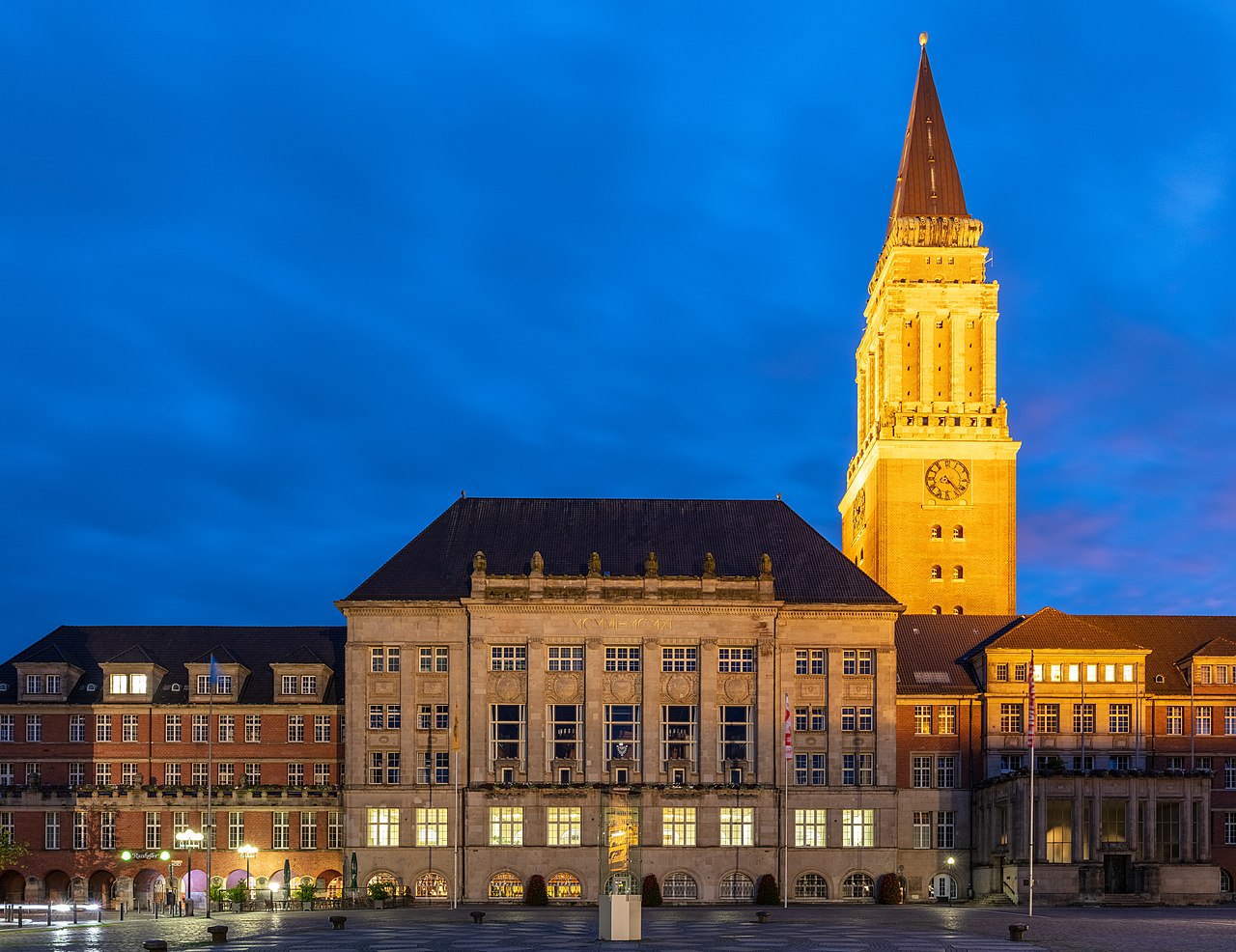
Ayuntamiento, Kiel, Alemania, 2019-09-10, DD 132-134 HDR


Kiel's Strategic Geography and Urban Fabric
Kiel, the capital of Schleswig-Holstein, is strategically positioned on the southeastern coast of the Jutland Peninsula, nestled within the Kieler Förde inlet of the Bay of Kiel. This geographical advantage has been instrumental in its development as a major port city and Germany's largest on the Baltic Sea, with a population of around 250,000. The city's layout is defined by its relationship with the water, including the Schwentine River's mouth and the crucial Kiel Canal.
Historically, Kiel has been a point of convergence for different regions, with parts belonging to Holstein, Wagria, and historically Southern Schleswig, reflecting a complex cultural and administrative past. Its urban landscape is a dynamic interplay of historic maritime architecture, modern shipbuilding facilities, and academic institutions, all shaped by its proximity to the sea and its role as a vital transport and naval hub.
Centuries of Transformation
Kiel's journey from a modest settlement to a significant city is a narrative of strategic growth and political shifts. Granted city rights in 1242, it rapidly evolved into a key trading center, leveraging its advantageous position on the Kieler Förde. For centuries, it was intrinsically linked to the Duchy of Holstein and, from 1773 to 1864, was under personal union with the Danish crown.
This period of Danish rule underscored its importance within the Baltic region's geopolitical landscape. The mid-19th century marked a pivotal change with its incorporation into the Kingdom of Prussia following the Second Schleswig War. The 20th century saw Kiel play a critical, albeit often turbulent, role during both World Wars, primarily due to its extensive naval infrastructure and shipbuilding capabilities.
Post-war, it transitioned through West Germany to become a key city in unified Germany, retaining its maritime identity.
The Kiel Canal
Perhaps Kiel's most globally significant contribution is its role as the western terminus of the Kiel Canal. This remarkable feat of engineering, completed in 1895, is the world's busiest artificial waterway, providing a vital link between the Baltic Sea and the North Sea. By bypassing the long and often treacherous journey around the Danish peninsula, the canal dramatically reduces shipping times and costs, facilitating international trade and naval movements.
The canal's presence in Kiel's Holtenau district solidifies the city's status as a critical node in global maritime logistics. Its continuous operation and expansion highlight its enduring importance in modern shipping and commerce, making Kiel a gateway for countless vessels traversing Northern Europe.
Kiel Week, Naval Heritage, and Oceanographic Innovation
Kiel is internationally celebrated for its vibrant maritime culture, most notably through Kiel Week, the largest annual sailing regatta worldwide. This event attracts hundreds of thousands of spectators and thousands of sailors, showcasing Kiel's deep-rooted connection to competitive sailing and its capacity to host major international sporting events, including Olympic sailing competitions in 1936 and 1972. Beyond sport, Kiel remains a cornerstone of Germany's naval presence, serving as a primary base for the German Navy's Baltic fleet and a hub for high-tech shipbuilding.
Complementing its military and industrial prowess is its academic strength in marine sciences. The University of Kiel, founded in 1665, houses the GEOMAR – Helmholtz Centre for Ocean Research, positioning Kiel at the forefront of oceanic research and exploration, making it a unique nexus of defense, industry, and scientific discovery.
The Echoes of Revolution
Kiel's history is also marked by a pivotal moment that reverberated across Germany: the Kiel Mutiny of 1918. In the final weeks of World War I, sailors stationed in Kiel refused orders to prepare for a final, seemingly futile, engagement against the British Navy. This act of defiance, fueled by war weariness and a desire for peace, quickly escalated into a widespread uprising.
The mutiny became the spark that ignited the German Revolution, leading to the abdication of Kaiser Wilhelm II and the collapse of the German monarchy. This event fundamentally reshaped Germany's political future, paving the way for the establishment of the Weimar Republic. Kiel, therefore, stands not only as a maritime center but also as a site where ordinary people profoundly influenced the course of history.
Go deeper
Frequently Asked Questions
What is Kiel and where is it located?+
Why is the Kiel Canal important?+
What is Kiel Week?+
How did Kiel become a big port city?+
What role did Kiel have in history?+
Based on content from Wikipedia · Licensed under CC BY-SA 4.0