

Ruby
Images
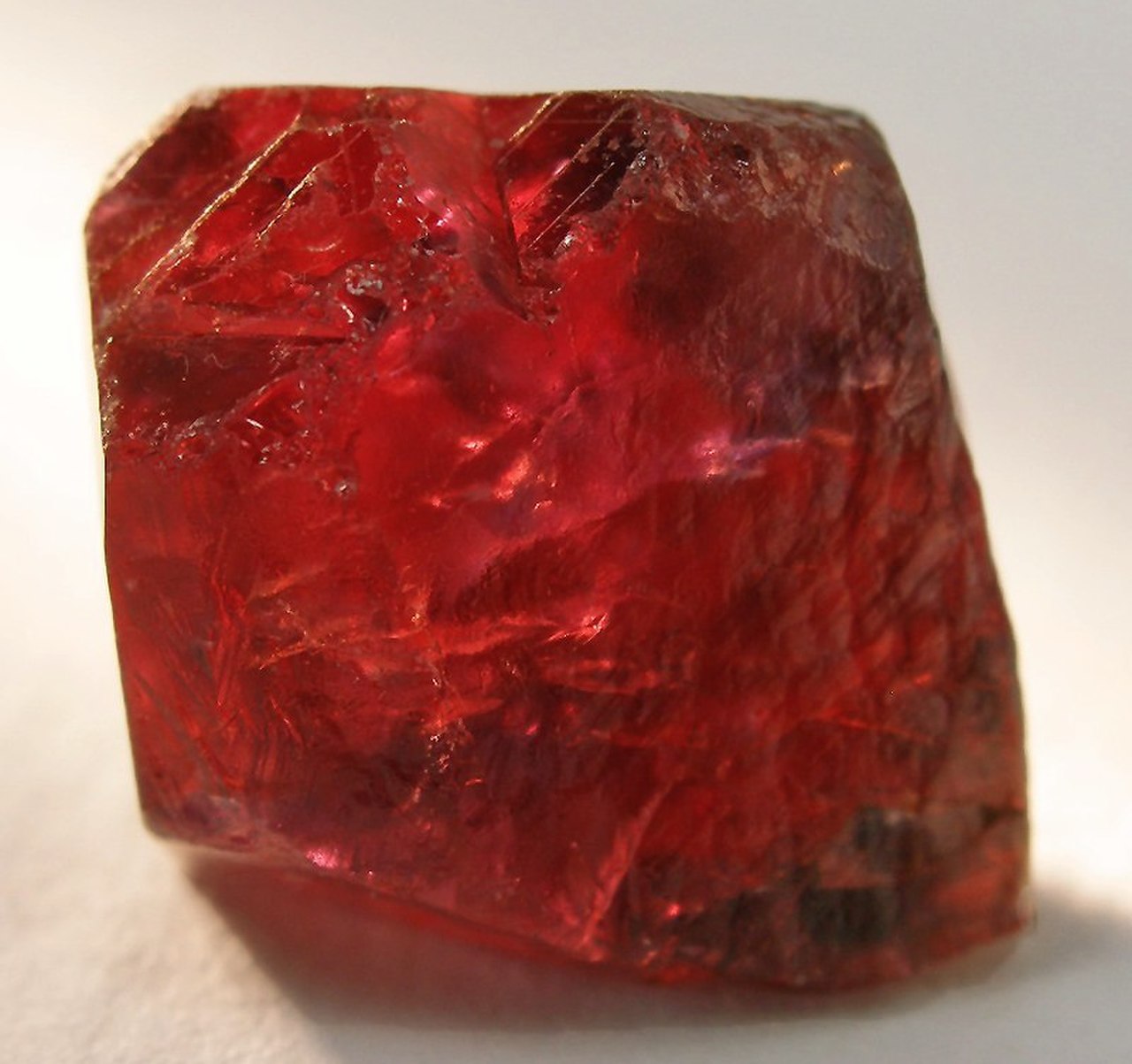
Ruby


Geological Genesis and Mineralogical Marvel
Rubies are a precious variety of the mineral corundum, chemically known as aluminum oxide (Al₂O₃). Their iconic red coloration is not inherent to pure corundum, which is colorless, but arises from the presence of trace amounts of chromium (Cr³⁺) ions substituting for aluminum ions within the crystal lattice. This substitution is crucial; it leads to the absorption of specific wavelengths of visible light, particularly in the green and yellow spectrum, and the subsequent emission of red light through fluorescence.
The intensity and hue of the red depend on the concentration of chromium and the presence of other trace elements like iron and titanium, which can modify the color. Rubies typically form in metamorphic rocks, such as marble and gneiss, or in certain igneous rocks, under conditions of high temperature and pressure deep within the Earth's crust and upper mantle. Major historical sources include the Mogok Valley in Myanmar, known for its exceptional 'pigeon blood' rubies, as well as deposits in Sri Lanka, Thailand, and more recently, Mozambique and Madagascar.
A Legacy Etched in Power and Prestige
The allure of the ruby transcends mere aesthetics; it is deeply woven into the fabric of human history, culture, and power. Ancient Sanskrit texts referred to rubies as 'ratnaraj,' meaning 'king of precious stones,' associating them with vitality, protection, and divine favor. Throughout the Middle Ages and Renaissance, rubies were believed to possess protective qualities, warding off evil spirits and misfortune, and were highly prized by royalty and nobility.
They adorned the crowns, scepters, and ceremonial robes of emperors and kings, symbolizing not only wealth but also power, passion, and courage. The quest for these rare gems fueled exploration and trade, connecting distant lands and cultures. Even today, rubies remain a potent symbol of love and commitment, frequently chosen for engagement rings and significant anniversaries.
The Economic and Cultural Significance of the Ruby
Rubies consistently rank among the most valuable gemstones, with prices driven by a combination of factors: color, clarity, cut, and carat weight. The most sought-after color is a vivid, pure red, often described as 'pigeon blood,' which commands premium prices. Clarity is also critical, as inclusions can detract from the stone's brilliance, though certain types of inclusions can be indicative of natural origin.
The rarity of high-quality, large rubies contributes significantly to their value. Culturally, rubies continue to hold profound meaning. They are the traditional birthstone for July, symbolizing passion, protection, and prosperity.
Their association with the heart chakra in some spiritual traditions further enhances their connection to love and emotional well-being. The enduring demand for rubies in fine jewelry, coupled with their historical and symbolic weight, ensures their continued economic and cultural importance.
From Gemstones to Lasers
Beyond their role in adornment, rubies possess properties that make them invaluable in scientific and technological applications. Their extreme hardness (9 on the Mohs scale) and thermal stability make them suitable for durable components. Most notably, synthetic rubies, which are chemically identical to natural ones but can be produced in larger, flawless sizes, are fundamental to laser technology.
The first working laser, developed by Theodore Maiman in 1960, used a synthetic ruby rod. When stimulated by a flash of light, the chromium ions in the ruby emit coherent photons, producing a powerful, focused beam of light. Ruby lasers are used in a wide array of applications, including medical surgery, industrial cutting and welding, scientific research, and even in some types of rangefinders.
Additionally, finely powdered ruby has been used as a red pigment, and small, precisely cut rubies serve as durable bearings in high-precision instruments like watches.
The Ruby Market
The global ruby market is complex, with distinct segments for natural and synthetic stones. Natural rubies, especially those of exceptional quality and origin, are rare and command high prices. However, the vast majority of rubies available today are either treated to enhance their color and clarity or are entirely synthetic, grown in laboratories.
Treatments, such as heat treatment and fracture filling, are common and accepted within the industry, provided they are disclosed. Synthetic rubies offer a more affordable and ethically sourced alternative, possessing the same physical and chemical properties as their natural counterparts. Ethical considerations are increasingly important, focusing on responsible sourcing, fair labor practices, and environmental impact in mining operations. Transparency in the supply chain is crucial for consumers seeking to make informed choices about the rubies they purchase, balancing beauty, value, and ethical responsibility.
Go deeper
Frequently Asked Questions
What makes a ruby red?+
Where do rubies grow in the Earth?+
Why did kings and queens wear rubies?+
What does a ruby mean for people born in July?+
How are rubies used in science and technology?+
Based on content from Wikipedia · Licensed under CC BY-SA 4.0