

Chromium: The Shiny Metal That Makes Things Tough!
Images
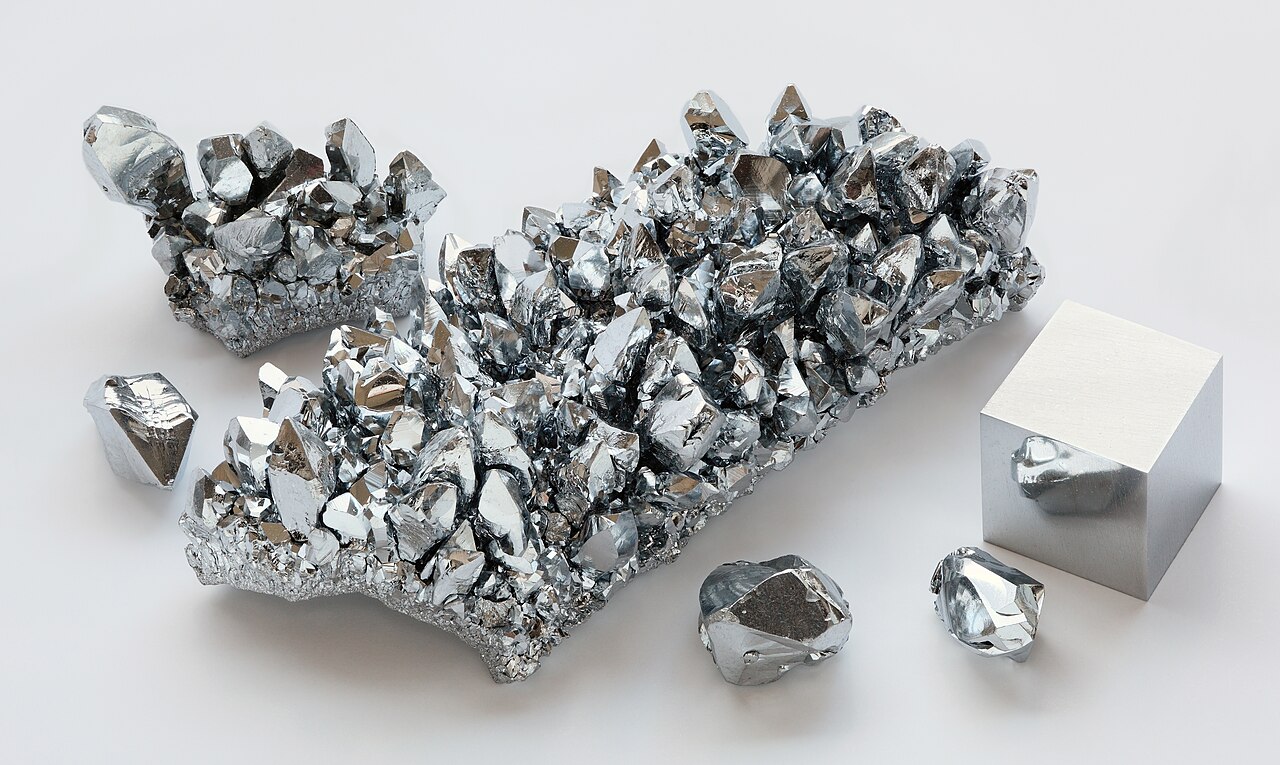
Chromium
Chromium
Chromium (Cr, atomic number 24) is a pivotal element in modern industry, classified as a hard, brittle, steely-grey transition metal. Its enduring appeal stems from its exceptional resistance to corrosion and its ability to maintain a lustrous finish. The most significant application of chromium is its role in the production of stainless steel.
By alloying iron with at least 10.5% chromium, metallurgists create a material impervious to rust and staining, revolutionizing everything from cookware and cutlery to surgical instruments and architectural structures. Beyond stainless steel, chrome plating, an electrochemical process that deposits a thin layer of chromium onto a substrate, is widely employed for both decorative and protective purposes. This plating enhances durability, wear resistance, and aesthetic appeal, making it ubiquitous in automotive components, bathroom fixtures, and industrial machinery.
The high reflectivity of polished chromium, capable of reflecting nearly 70% of visible light and over 90% of infrared radiation, further cements its value in applications requiring optical precision and visual brilliance.
Industrial Alchemy
The journey of chromium from the Earth's crust to its industrial applications is a testament to chemical engineering. The primary source of chromium is chromite ore, predominantly FeCr₂O₄. The industrial production typically begins with the conversion of chromite into ferrochromium, an iron-chromium alloy, through high-temperature reduction processes, often using aluminothermic or silicothermic reactions.
This ferrochromium serves as the direct precursor for stainless steel manufacturing. The production of pure chromium metal involves a more intricate sequence: roasting the chromite ore to separate it from iron, followed by a reduction process, often utilizing aluminum as the reducing agent. This multi-stage extraction and refinement ensure the high purity required for specific applications, highlighting the sophisticated methods employed to harness chromium's unique properties for diverse industrial needs.
The Dual Nature of Chromium
Chromium exists in various oxidation states, with trivalent chromium (Cr(III)) and hexavalent chromium (Cr(VI)) being the most common. Trivalent chromium is naturally present in many foods and has been explored as a dietary supplement, though its essentiality for human nutrition remains a subject of scientific debate, with insufficient evidence to classify it as a vital nutrient. In contrast, hexavalent chromium compounds, often generated during industrial processes like electroplating, are highly toxic and carcinogenic.
Substances like chromium trioxide, used in industrial electroplating, are classified as 'substances of very high concern' due to their severe health and environmental risks. This stark difference underscores the critical importance of careful handling, regulation, and waste management in industries utilizing chromium, balancing its industrial benefits against potential health and ecological impacts.
A Spectrum of Color
The very name 'chromium' originates from the Greek word 'chrōma,' meaning 'color,' a direct nod to the vibrant hues of its compounds. Historically, these colorful chromium compounds played a significant role in the development of pigments. For instance, lead chromate yields bright yellow pigments, while chromium(III) oxide provides a stable green color used in paints and ceramics.
This historical connection to color is still relevant today, with chromium compounds finding use in specialized dyes and glazes. The element's chemical versatility, spanning multiple oxidation states and forming stable complexes, allows for this wide array of colors and applications, from industrial coatings to artistic mediums, demonstrating a rich interplay between its chemical structure and its visual properties.
Go deeper
Frequently Asked Questions
What makes chromium so strong and shiny?+
How does chromium help make stainless steel?+
What is chrome plating and why is it used?+
Why is hexavalent chromium dangerous?+
Where does chromium come from?+
Based on content from Wikipedia · Licensed under CC BY-SA 4.0