

Proud Boys
Images
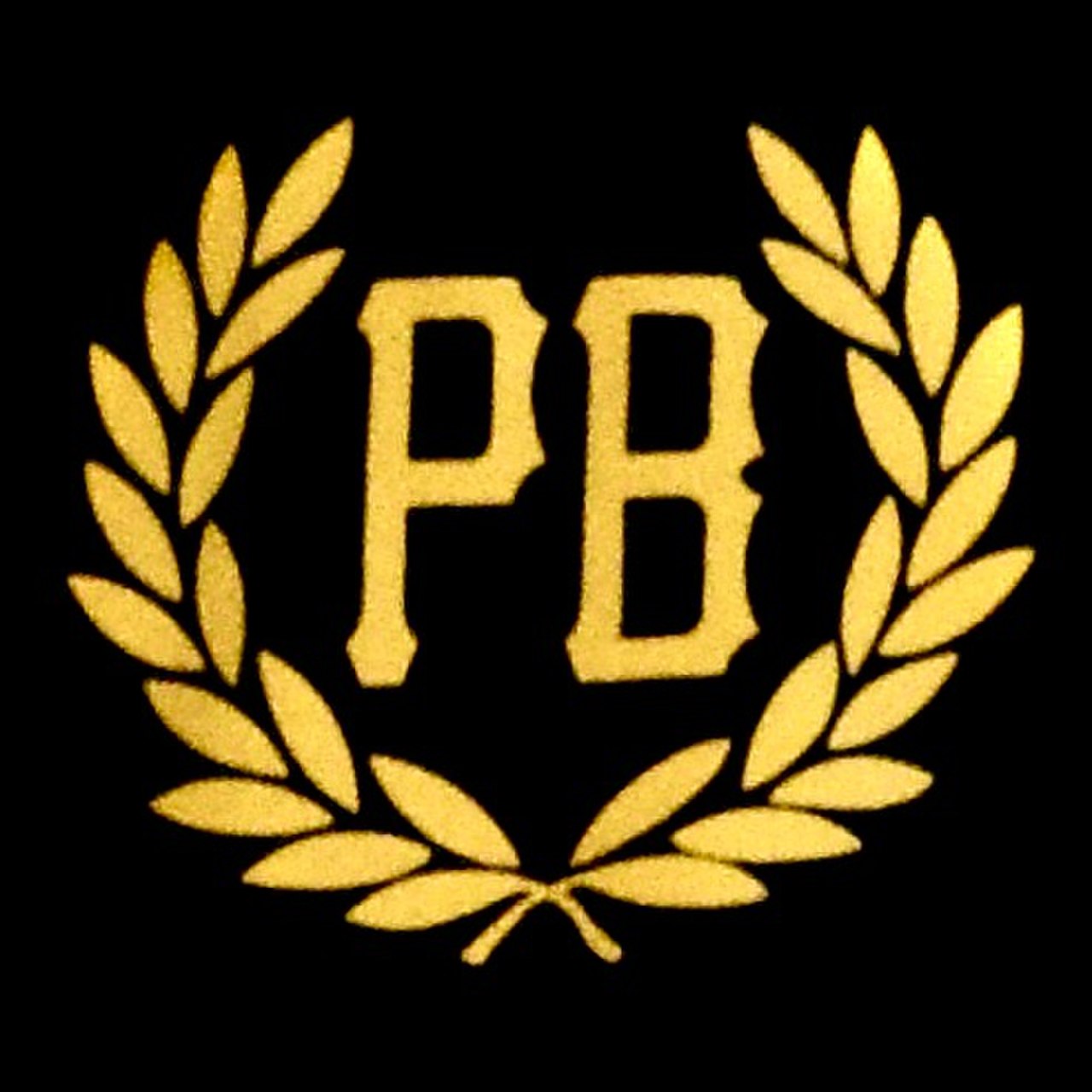
Proud Boys PB and Wreath Logo


Genesis and Evolution
The Proud Boys, an American far-right, neo-fascist militant organization, trace their origins to 2016, co-founded by Gavin McInnes, formerly of Vice Media. Intriguingly, the group's name was derived from 'Proud of Your Boy,' a song featured in Disney's 2011 musical 'Aladdin.' Initially emerging from the broader 'alt-right' movement, McInnes later sought to differentiate the Proud Boys, characterizing them as 'alt-lite' and emphasizing a focus away from race-based ideologies.
The group's public profile dramatically increased in September 2020 when then-President Donald Trump, during a presidential debate, stated, 'Proud Boys, stand back and stand by.' This remark, widely interpreted as an endorsement, significantly boosted recruitment and public awareness, despite Trump's subsequent condemnation and claims of limited knowledge about the group. This pivotal moment underscored the group's growing influence and its entanglement with mainstream political discourse.
Ideological Underpinnings
The ideological framework of the Proud Boys is built upon a perceived threat to traditional masculinity and Western culture. According to the International Centre for Counter-Terrorism, the group utilizes 'Western chauvinism' as a euphemism, which critics argue functions as a veiled reference to the 'white genocide' conspiracy theory. This core belief system fuels their staunch opposition to left-wing and progressive movements.
While leadership has publicly denied being a white supremacist organization, the group and its members have consistently been associated with white supremacist events, ideologies, and other white-power affiliated groups. Organizations like the Southern Poverty Law Center have characterized the Proud Boys as an 'alt-right fight club' and a hate group, highlighting their strategic use of rhetoric to obscure their underlying motives and appeal to a broader audience.
Engagement in Political Violence and Legal Ramifications
A defining characteristic of the Proud Boys is their active engagement in political violence. Members have participated in numerous rallies and demonstrations that have devolved into physical altercations, often targeting counter-protesters and law enforcement. Their involvement in violently opposing federal government actions, including the constitutionally prescribed transfer of presidential power, has led to severe legal consequences.
The group has been labeled a street gang, and its activities have prompted designations as a terrorist organization by Canada and New Zealand. In the United States, members have faced indictments for conspiracy charges related to the January 6th United States Capitol attack, underscoring the tangible and severe impact of their actions on national security and democratic processes.
Digital Censorship and the Fight for Online Presence
In the contemporary digital landscape, social media platforms have become crucial battlegrounds for ideological dissemination. The Proud Boys have faced widespread bans from major online services, including Facebook, Instagram, Twitter, and YouTube. These actions were taken in response to the group's consistent promotion of violence, hate speech, and extremist content.
The deplatforming of the Proud Boys reflects a broader societal effort to curb the spread of harmful ideologies online and protect users from harassment and incitement. This digital censorship has significantly curtailed the group's ability to organize, recruit, and broadcast their message to a global audience, forcing them to seek alternative, often less visible, communication channels.
The Unforeseen Consequence
In a remarkable legal development, the trademark for 'Proud Boys Intl., LLC' was awarded to the Metropolitan African Methodist Episcopal Church. This decision was part of a court order to satisfy a judgment against the Proud Boys for their 2020 vandalism of a Black Lives Matter banner. This outcome illustrates the far-reaching and often unexpected consequences of a group's actions, extending even to the ownership of their organizational identity.
It serves as a potent symbol of how legal accountability can manifest in unconventional ways, directly impacting the group's branding and public presence.
See also
Frequently Asked Questions
What is the Proud Boys group?+
When did the Proud Boys start?+
Why are they called the Proud Boys?+
Why have they been banned from social media?+
What happened to members of the Proud Boys after the January 6 Capitol attack?+
Based on content from Wikipedia · Licensed under CC BY-SA 4.0