

United States Capitol
Images
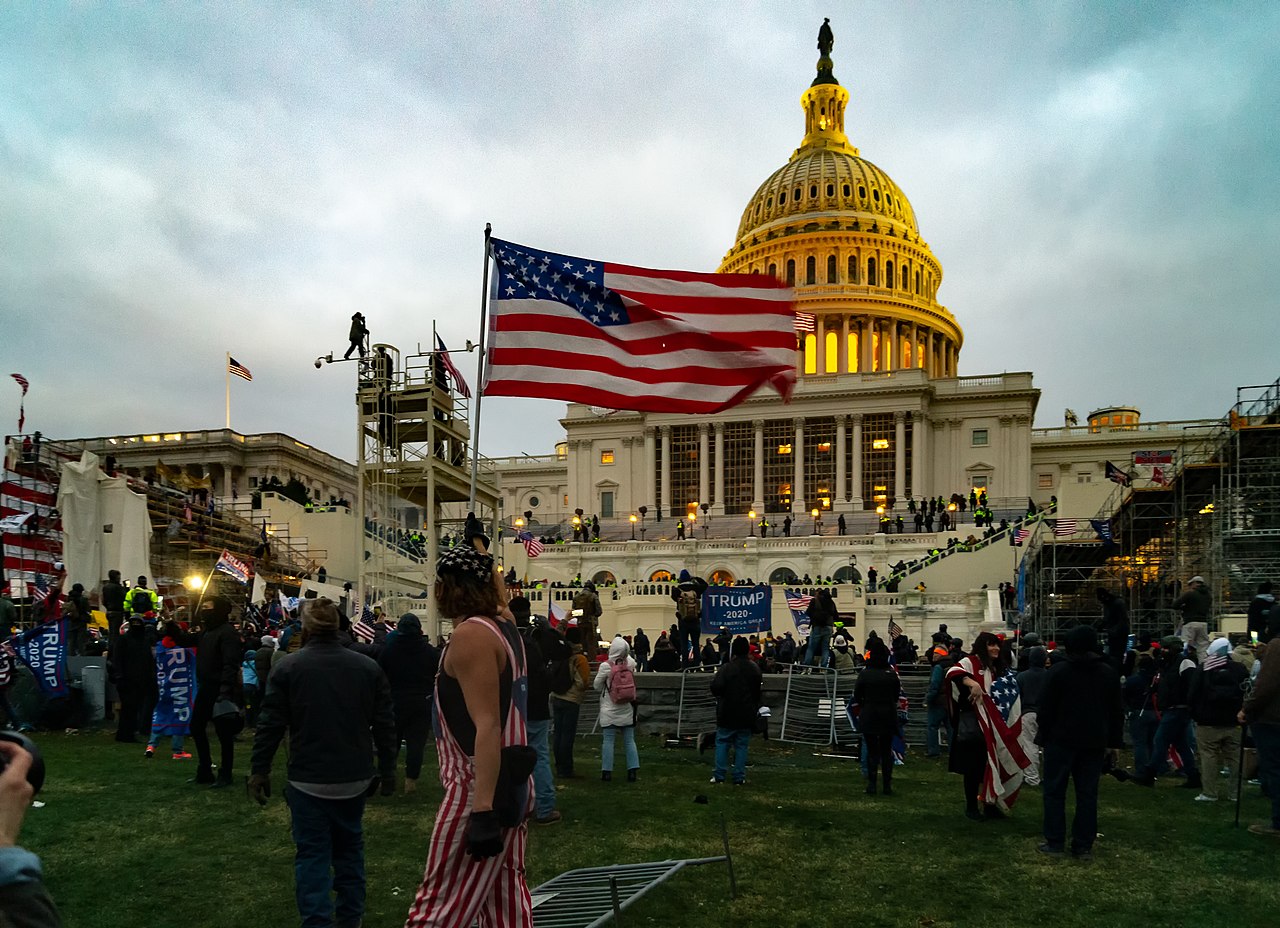
2021 storming of the United States Capitol 09


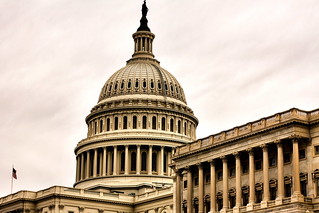


Geographic Anchor and Symbolic Nucleus
The United States Capitol, situated on Capitol Hill in Washington, D.C., is far more than a mere governmental edifice; it is the physical embodiment of the nation's legislative branch. Its strategic placement at the eastern terminus of the National Mall, while no longer the precise geographic center of the capital, retains profound symbolic and functional importance. It serves as the foundational point for the city's grid system and its four quadrants, a constant reminder of its centrality to the federal district.
The building's imposing neoclassical design, characterized by its white marble facade and iconic dome, evokes a sense of enduring strength and democratic ideals, drawing inspiration from classical antiquity to project an image of stability and reasoned governance.
A Chronicle of Resilience and Expansion
The history of the Capitol is a testament to the nation's growth and its capacity for overcoming adversity. Its construction began in the late 18th century, with the central portions completed in 1800, enabling the 6th U.S. Congress to convene and marking the pivotal relocation of the federal capital from Philadelphia. The building's early years were fraught with peril; it suffered significant damage during the British burning of Washington in 1814.
However, the swift and thorough restoration within five years underscored the nation's determination to preserve its governmental seat. Throughout the 19th century, the Capitol underwent substantial expansion, with the addition of wings to accommodate the burgeoning bicameral legislature as new states joined the Union. The completion of the massive cast-iron dome around 1866, a monumental feat of engineering, occurred in the shadow of the Civil War, symbolizing national reunification and renewed purpose.
The Dual Chambers
The United States Capitol houses the two distinct chambers of the U.S. Congress: the House of Representatives and the Senate. These bodies, though united in their legislative mandate, operate with unique structures and traditions.
The House of Representatives, located in the south wing, comprises 435 members, each representing a specific congressional district based on population. The Senate, situated in the north wing, consists of 100 senators, with two representing each of the 50 states, ensuring equal representation regardless of state size. This bicameral system is designed to foster deliberation and balance, with each chamber playing a crucial role in the creation, amendment, and passage of federal laws, reflecting a complex interplay of popular representation and state parity.
Symbolism, Ceremony, and Public Engagement
The Capitol's architectural design extends beyond aesthetics to encompass symbolic and ceremonial functions. Both its east and west facades are formally recognized as fronts, yet their historical and contemporary uses differ significantly. The east front, with its grand portico, was historically intended for the reception of dignitaries and visitors, projecting an image of welcome and authority.
Conversely, the west front has evolved into a stage for pivotal national ceremonies, most notably presidential inaugurations, underscoring the peaceful transfer of power. The building and its expansive grounds are meticulously maintained by the Architect of the Capitol, a role encompassing preservation, security, and the integration of modern facilities, such as the subterranean Visitors Center opened in the early 21st century, which significantly enhances public access to understanding the legislative process and the building's rich heritage.
The Capitol's Enduring Relevance in Modern Governance
In contemporary America, the United States Capitol remains the preeminent symbol and operational center of the legislative branch. It is the venue where critical debates on national policy, from economic regulation and healthcare reform to foreign relations and civil rights, take place. The building's neoclassical grandeur serves as a constant reminder of the foundational principles upon which the nation was built, while its ongoing use by elected officials highlights the dynamic and evolving nature of American governance.
The presence of the Capitol in Washington, D.C., anchors the federal government's presence and continues to draw global attention as a site where decisions with profound international implications are forged. Its enduring architectural significance, coupled with its role as the crucible of American lawmaking, solidifies its status as a landmark of paramount historical and political importance.
Go deeper
Frequently Asked Questions
What is the United States Capitol?+
Where is the Capitol located?+
Why does the Capitol have a dome?+
Who uses the Capitol?+
What happened to the Capitol during the war?+
Based on content from Wikipedia · Licensed under CC BY-SA 4.0