

Facebook: Your Digital Playground!
Images






Genesis of a Digital Colossus
Facebook's inception in 2004 was a direct response to a perceived need within the collegiate environment for a centralized, accessible platform to identify and connect with peers. Mark Zuckerberg, alongside Eduardo Saverin, Andrew McCollum, Dustin Moskovitz, and Chris Hughes, leveraged their understanding of early internet culture to create 'Thefacebook.' Its initial exclusivity to Harvard students fostered a sense of community and exclusivity, driving rapid adoption.
The subsequent expansion to other North American universities and eventually worldwide marked a pivotal shift, transforming it from a niche academic tool into a global social phenomenon. This phased rollout strategy was instrumental in its exponential growth, demonstrating a keen understanding of network effects and viral adoption long before these terms were commonplace in digital strategy.
The Architecture of Connection
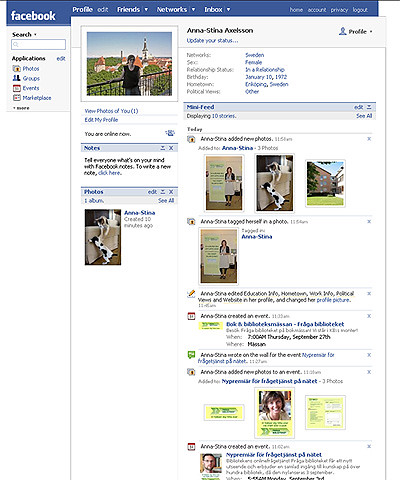
At its core, Facebook functions as a sophisticated social graph, mapping relationships and interactions between users. The creation of a user profile serves as the foundational element, allowing individuals to curate a digital persona through personal information, photos, and status updates. The platform's success hinges on its ability to facilitate both broad dissemination of content and intimate communication.
Users can share content publicly or with specific networks of 'friends,' fostering a dynamic interplay of personal expression and social validation. The integration of Messenger as a distinct but connected communication channel further enhances user engagement by providing a seamless private messaging experience. Notifications play a crucial role in maintaining user attention, alerting them to friend activities and page updates, thereby encouraging regular re-engagement with the platform.
Beyond Personal Networks
Facebook's utility extends far beyond individual connections, serving as a powerful engine for community formation and discourse. The 'Groups' feature allows users to coalesce around shared interests, hobbies, or causes, creating digital spaces for specialized interaction and knowledge exchange. These communities can range from local neighborhood watch groups to global fan clubs, demonstrating the platform's versatility in catering to diverse human needs for belonging and shared experience.
Furthermore, Facebook has become a significant channel for news dissemination and public discussion, though this has also brought challenges related to content moderation and the spread of misinformation. The platform's design inherently encourages participation, making it a fertile ground for both constructive dialogue and the amplification of divisive narratives.
The Societal Mirror
The immense reach and influence of Facebook have inevitably placed it under intense public and regulatory scrutiny. Criticisms have been multifaceted, encompassing profound concerns about user privacy, exemplified by the Cambridge Analytica data scandal, which highlighted the potential for personal data to be exploited for political purposes. The platform has also been accused of facilitating political manipulation and exacerbating societal divisions through algorithmic amplification of polarizing content.
Beyond these macro-level issues, Facebook faces ongoing debate regarding its psychological impact, with research exploring links to addiction, anxiety, and diminished self-esteem. The challenge of effectively moderating content, combating fake news, and preventing the spread of hate speech remains a persistent and complex hurdle, underscoring the profound societal responsibilities that accompany such a dominant digital presence.
Go deeper
Frequently Asked Questions
What is Facebook and what can you do there?+
How did Facebook start?+
What is a Facebook profile?+
How can people stay connected on Facebook?+
What are Facebook Groups?+
Based on content from Wikipedia · Licensed under CC BY-SA 4.0