

Canada
Images
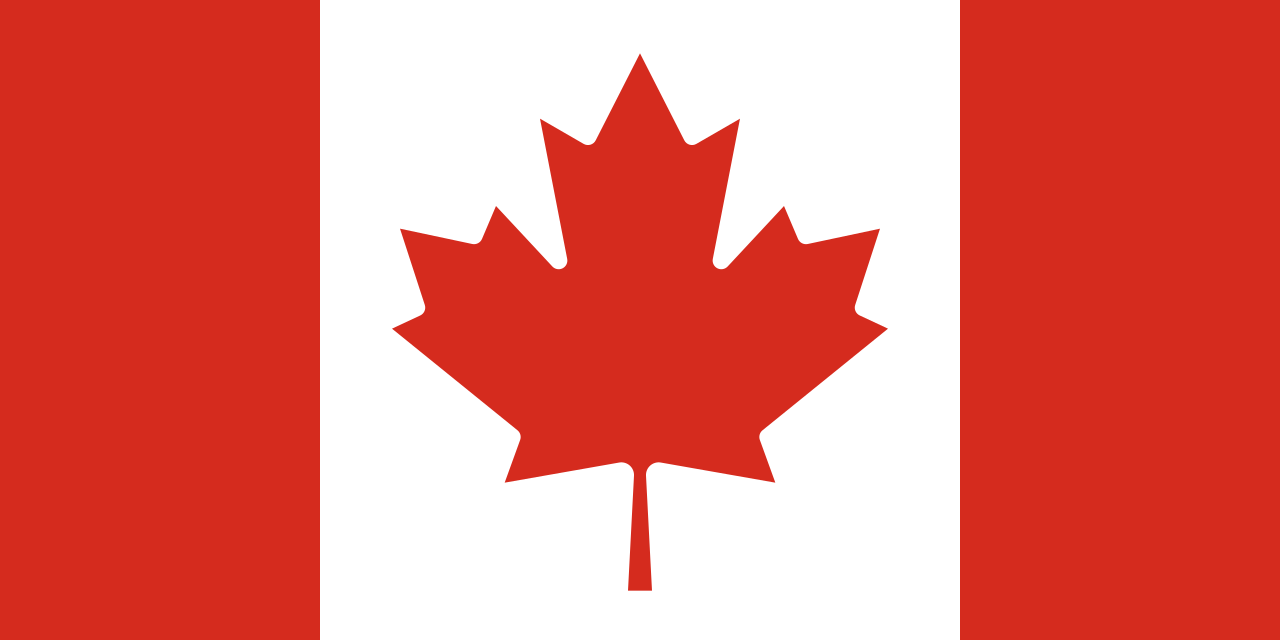
Canada


Opens Google Maps in new tab
Geographical Grandeur
Canada's geography is defined by its immense scale and striking diversity. As the second-largest country globally by total area, its ten provinces and three territories stretch from the Atlantic to the Pacific and northward into the Arctic Ocean. This vastness grants it the world's longest coastline, a complex and varied boundary that shapes its climate and ecosystems.
The country's border with the United States is the longest international land border, a significant factor in its economic and cultural development. Canada's landscape is a tapestry of geological regions, from the ancient Canadian Shield to the young Rocky Mountains, encompassing vast boreal forests, fertile prairies, and the Arctic tundra. This geographical variety supports a wide range of meteorological conditions, from temperate rainforests on the west coast to harsh Arctic winters.
Despite its enormous landmass, Canada's population of over 41 million is unevenly distributed, with the majority concentrated in urban centers, leaving large swathes of the country sparsely populated, offering unparalleled wilderness.
From Indigenous Roots to Global Influence
The history of Canada is a long and complex narrative, beginning with Indigenous peoples who inhabited the land for millennia, developing diverse cultures and societies. European exploration and colonization commenced in the 16th century, primarily by the French and British, leading to distinct colonial settlements and eventual conflict. The Treaty of Paris in 1763 marked a significant shift, with France ceding most of its North American territories to Britain.
The formation of Canada as a federal dominion in 1867 through the union of three British North American colonies was a foundational moment, initiating a process of westward expansion and the accretion of provinces and territories. This expansion, however, came at the profound cost of Indigenous displacement and the erosion of their sovereignty. Canada's journey towards full autonomy from the United Kingdom was a gradual process, underscored by legislative milestones like the Statute of Westminster (1931) and culminating in the Canada Act (1982), which severed the last legal ties.
A Tapestry of Peoples
Canada is renowned for its commitment to multiculturalism, officially recognizing English and French as its federal languages while embracing a vast array of other languages and cultural traditions brought by immigrants. This diversity is a defining characteristic of modern Canada, contributing to its vibrant social fabric and dynamic urban centers like Toronto, Montreal, and Vancouver. With a population exceeding 41 million, Canada is a nation built on immigration, fostering an environment where people from diverse ethnic backgrounds coexist and contribute to national identity.
This inclusivity is reflected in its high rankings in international measurements of quality of life, human rights, and government transparency. The nation's relationship with the United States has also profoundly shaped its history, economy, and culture, creating a unique dynamic between two closely linked but distinct North American nations.
Governance and Global Standing
Canada operates as a parliamentary democracy and a constitutional monarchy, adhering to the Westminster tradition. The head of government is the Prime Minister, who must maintain the confidence of the elected House of Commons, while the monarch of Canada, represented by the Governor General, serves as the ceremonial head of state. This system ensures a representative government with checks and balances.
As a developed nation, Canada possesses a highly advanced economy, ranking among the world's largest by nominal GDP. Its economic strength is underpinned by abundant natural resources and robust international trade networks. Canada is recognized as a middle power, actively engaging in multilateralism and international cooperation.
Its foreign policy emphasizes peacekeeping and providing aid to developing countries, reflecting its commitment to global stability and shared values, which it promotes through participation in numerous international organizations.
Foundations for the Future
Canada places a strong emphasis on education, consistently ranking highly in international assessments of educational attainment and quality of life. The country's education system is a cornerstone of its development, fostering innovation and preparing its citizens for a competitive global economy. With a population that is increasingly urbanized and diverse, educational institutions play a crucial role in integrating newcomers and promoting social cohesion.
The government's commitment to research and development, coupled with a highly educated workforce, fuels its reputation for innovation. This focus on human capital is vital for Canada's continued economic prosperity and its role as a global leader in various fields, from technology to natural resource management. The country's investment in education is a clear indicator of its forward-looking approach to national development and its aspiration to maintain a high standard of living for all its citizens.
Go deeper
Based on content from Wikipedia · Licensed under CC BY-SA 4.0