

Prehistory: The Time Before Stories!
Images
Prehistory
The Epoch Before Epics
Prehistory encompasses the entire span of human existence prior to the advent of written records, a period that constitutes the overwhelming majority of our species' time on Earth. Its end point varies geographically, generally coinciding with the development of writing systems, such as cuneiform in Mesopotamia or hieroglyphs in Egypt, roughly 5,000 to 6,000 years ago. This vast temporal expanse is not a monolithic block but is conventionally divided into major eras based on technological advancements, most notably the Stone Age (Paleolithic, Mesolithic, Neolithic), the Bronze Age, and the Iron Age.
Understanding prehistory is foundational to all historical and anthropological inquiry, providing the essential context for the emergence of human culture, social structures, and cognitive abilities. It is a period studied through inference and material evidence, demanding rigorous scientific methodology to reconstruct past lifeways.
The Long Ascent
The narrative of prehistory is inextricably linked to the biological and cultural evolution of hominins. Beginning with early bipedal ancestors in Africa millions of years ago, the trajectory of human development is marked by significant milestones. The Oldowan tool industry, appearing around 2.6 million years ago, represents the earliest evidence of systematic stone tool manufacture, fundamentally altering hominin capabilities for resource acquisition and processing.
The subsequent Acheulean tradition, characterized by more sophisticated handaxes, signifies advancements in cognitive planning and motor skills. The mastery of fire, likely achieved by Homo erectus, was a pivotal development, offering protection, enabling cooking (which increased nutrient availability and reduced disease), and facilitating social cohesion. These technological innovations were not merely reactive but actively shaped hominin evolution, influencing diet, social behavior, and brain development, leading to the emergence of anatomically modern humans, Homo sapiens.
The Bedrock of Being
The study of prehistory is paramount because it reveals the deep roots of human behavior, societal organization, and our relationship with the environment. It illuminates the fundamental adaptive strategies that allowed our ancestors to survive and thrive in diverse and often challenging conditions. Understanding the transition from nomadic hunter-gatherer lifestyles to settled agricultural communities during the Neolithic Revolution, for instance, is critical to comprehending the origins of civilization, population growth, and the development of complex social hierarchies.
Furthermore, prehistoric evidence provides invaluable long-term perspectives on climate change, biodiversity, and the impact of human activities on ecosystems, offering crucial context for addressing contemporary environmental challenges and understanding the sustainability of human societies.
Archaeological Reconstruction
Reconstructing prehistoric lifeways relies on the meticulous work of archaeologists and paleoanthropologists who interpret material culture. Excavations yield a wealth of data, including lithic artifacts, faunal and floral remains, human skeletal remains, and features like hearths and postholes. Radiocarbon dating, thermoluminescence, and dendrochronology are essential tools for establishing chronological frameworks. Analysis of tool wear patterns can reveal their function, while isotopic analysis of bones can shed light on diet and migration.
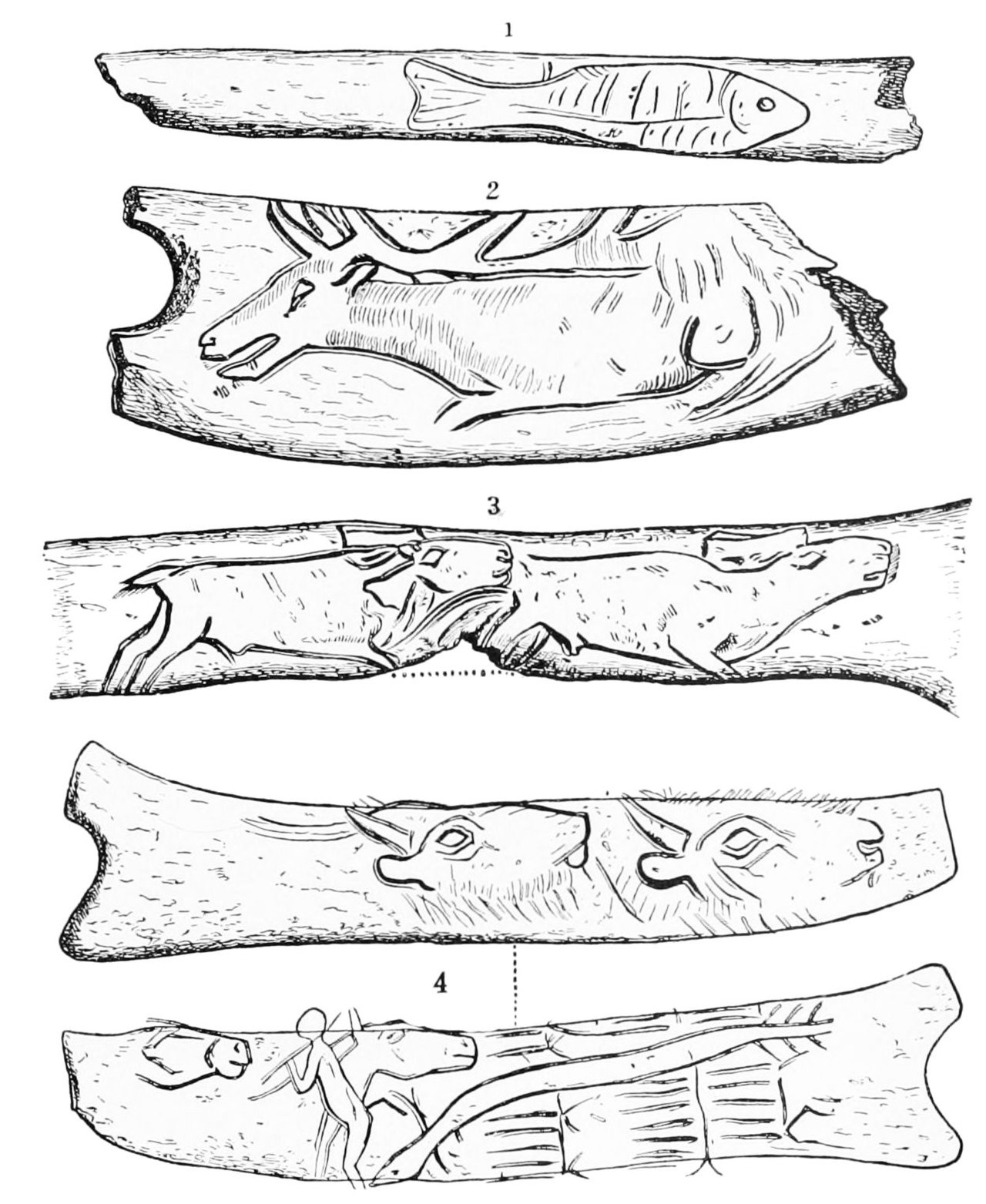
The interpretation of symbolic behavior, such as cave art or burial rituals, is more complex but offers profound insights into prehistoric cognition, belief systems, and social complexity. These scientific methods, combined with comparative ethnographic studies, allow for the reconstruction of detailed narratives about the lives of people who left no written testament.
From Prehistory to Recorded History
The transition from prehistory to history was not a sudden event but a gradual process marked by the development of increasingly complex societies and the invention of writing. The Bronze Age and Iron Age saw significant advancements in metallurgy, leading to new tools, weapons, and agricultural techniques that fueled population growth and the rise of larger settlements and eventually states. The emergence of writing was a revolutionary leap, enabling record-keeping, administration, long-distance communication, and the codification of laws and knowledge.
This allowed for the transmission of information across generations with unprecedented accuracy and scope, fundamentally changing the nature of human societies. The legacy of prehistoric innovations-agriculture, metallurgy, complex social organization-provided the essential groundwork upon which these historical civilizations were built, demonstrating a continuous thread of human ingenuity and adaptation.
Go deeper
Based on content from Wikipedia · Licensed under CC BY-SA 4.0