

The Bronze Age: When Metal Made Things Awesome!
Images
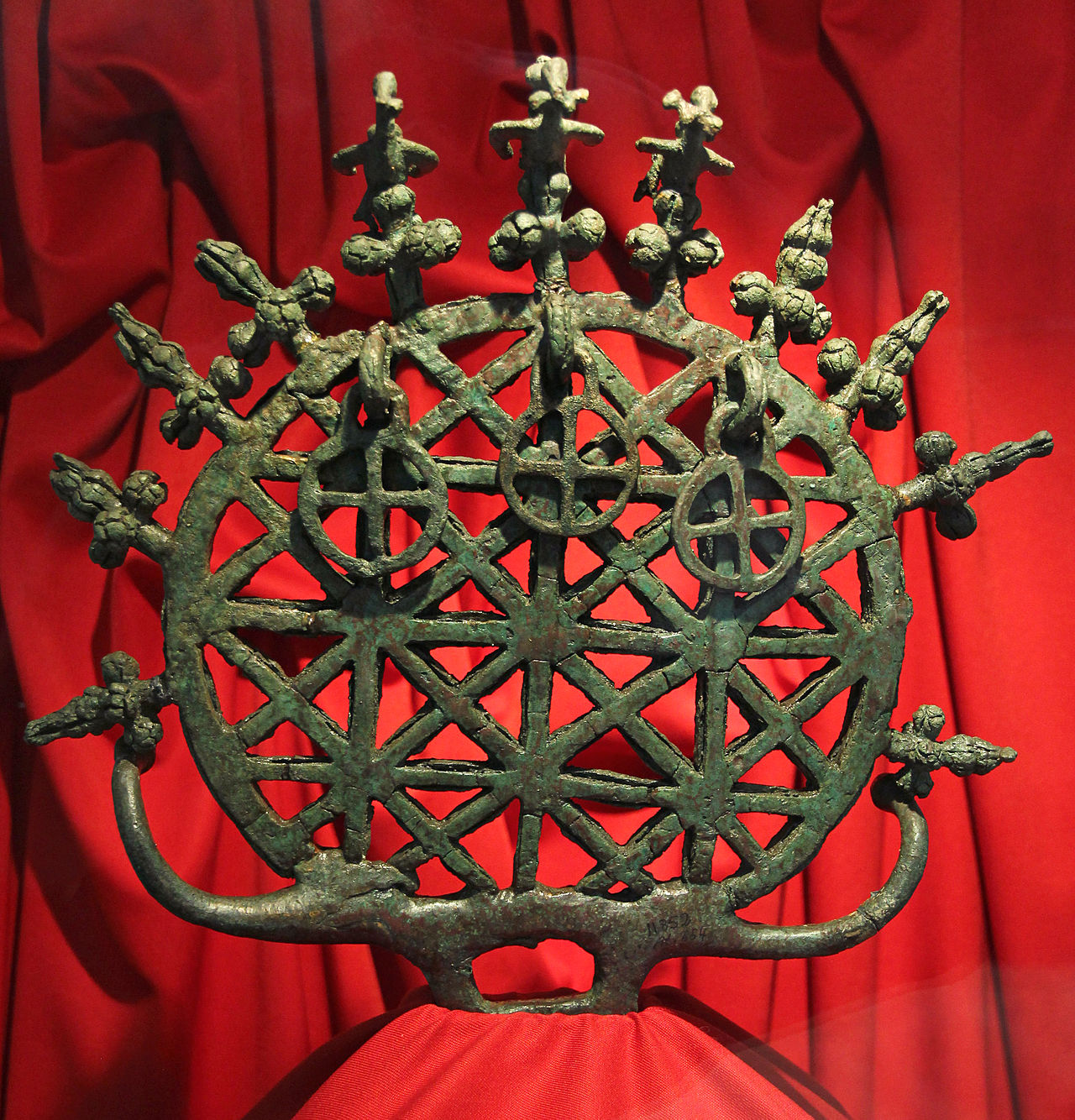
Bronze Age
The Genesis of Bronze
The Bronze Age, conventionally dated from approximately 3300 BCE to 1200 BCE, represents a profound technological and cultural shift in human history. Emerging from the Neolithic period, its defining characteristic was the development and widespread adoption of bronze, an alloy primarily composed of copper and tin. This innovation was not merely an incremental improvement; it was a paradigm shift in material science.
Bronze offered superior hardness, durability, and sharpness compared to stone or even pure copper, enabling the creation of more effective tools for agriculture, construction, and craft production. The ability to smelt and cast bronze also facilitated the production of sophisticated weaponry, profoundly influencing the nature of conflict and defense. The very creation of bronze required complex knowledge of mining, smelting, and alloying, indicating a significant advancement in scientific understanding and practical application.
This period witnessed the emergence of specialized craftspeople and the establishment of resource extraction and processing centers, laying the groundwork for more complex economic systems.
Metallurgical Innovations and the Expansion of Trade
The mastery of bronze metallurgy was a complex and resource-intensive undertaking. It necessitated the identification and extraction of copper and tin ores, which were often geographically dispersed. This geographical disparity in resources became a powerful catalyst for the development of extensive long-distance trade networks.
Communities rich in one necessary metal would trade with those possessing the other, leading to the exchange of not only raw materials but also finished goods, technologies, and cultural ideas. The control and facilitation of these trade routes often conferred significant economic and political power upon certain settlements and emerging states. Furthermore, the development of sophisticated casting techniques, including lost-wax casting, allowed for the creation of intricate and detailed objects, from ceremonial items to highly functional tools and weapons.
This era saw the rise of skilled artisans whose work reflected both technical prowess and evolving aesthetic sensibilities, contributing to a richer material culture.
Bronze, Warfare, and the Consolidation of Power
The advent of bronze weaponry fundamentally altered the dynamics of conflict and power structures. Swords, spears, axes, and shields made of bronze were significantly more effective than their predecessors, leading to increased military efficacy and the potential for larger-scale organized warfare. This military advantage played a crucial role in the rise of powerful city-states and early empires, as dominant groups could project power and control territory more effectively.
The construction of defensive fortifications, such as walls and citadels, also became more prevalent, reflecting the heightened threat posed by bronze-equipped adversaries. The concentration of resources and the control of bronze production and trade often led to social stratification, with elites emerging who controlled access to these vital materials and the technologies associated with them. This period thus witnessed significant shifts in social organization, political authority, and the very nature of human conflict.
The Enduring Legacy of the Bronze Age
Though eventually superseded by the Iron Age, the Bronze Age left an indelible mark on human civilization. It represents a critical phase in the development of technology, economy, and social complexity. The innovations in metallurgy and trade established during this era laid the foundation for subsequent technological advancements, including the widespread adoption of iron.
The archaeological record from the Bronze Age provides invaluable insights into the lives of early complex societies, their belief systems, their artistic expressions, and their interactions with the environment and each other. Studying this period allows us to trace the long trajectory of human ingenuity and understand how early material innovations have shaped the trajectory of global development. The Bronze Age serves as a testament to humanity's capacity for innovation and its enduring drive to harness the natural world for progress.
Go deeper
Frequently Asked Questions
What is the Bronze Age and when did it happen?+
Why was bronze better than stone or copper?+
How did making bronze change trade between communities?+
What kinds of weapons were made from bronze and how did they affect battles?+
Who were the people that made bronze and what did they do?+
Based on content from Wikipedia · Licensed under CC BY-SA 4.0