

Egypt
Images
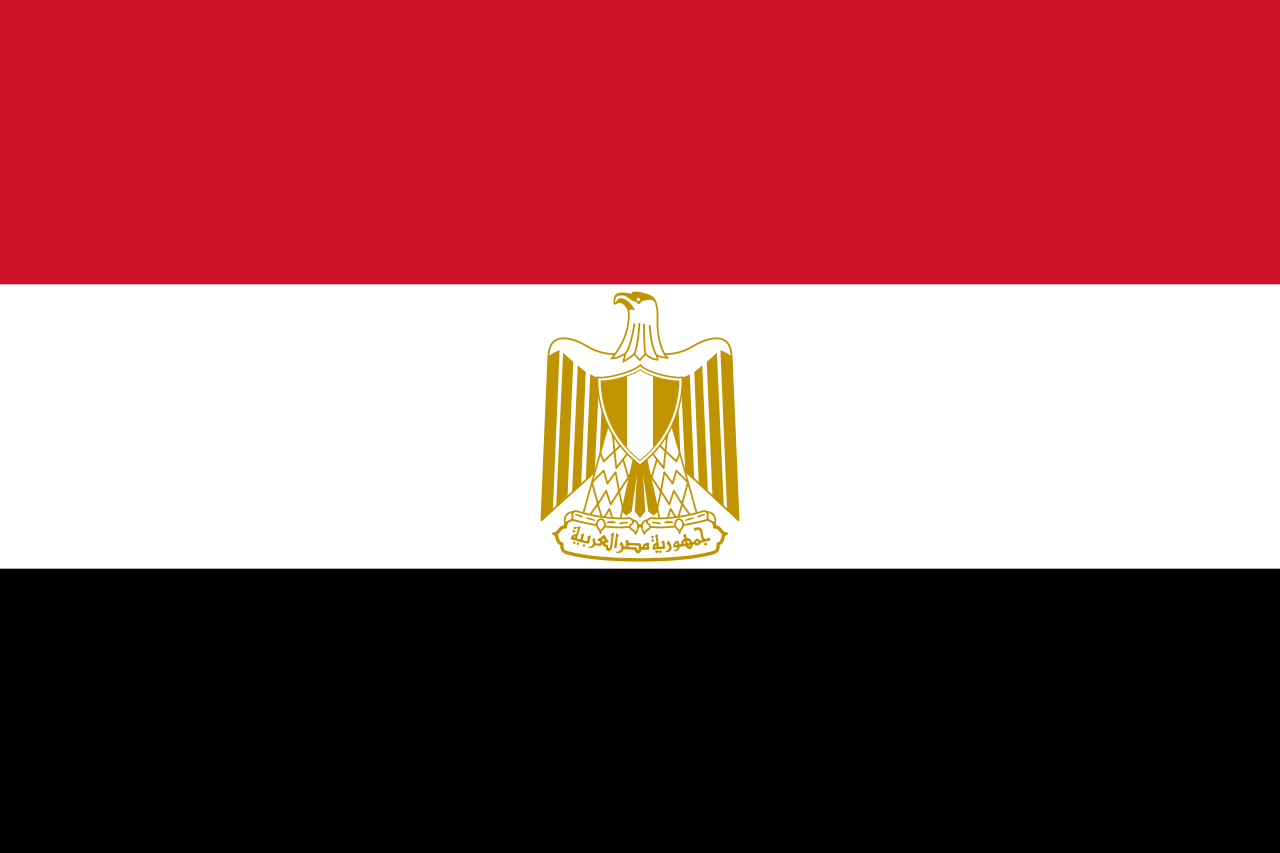
Egypt


Opens Google Maps in new tab
Geopolitical and Environmental Landscape
Egypt's strategic location is paramount, spanning the northeastern tip of Africa and extending into Southwest Asia via the Sinai Peninsula. This transcontinental positioning grants it significant geopolitical influence, bordering the vital Mediterranean Sea to the north and the Red Sea to the east, which are crucial maritime trade routes. Its neighbors include Israel and Palestine (Gaza Strip) to the northeast, Sudan to the south, and Libya to the west.
The Gulf of Aqaba further separates it from Jordan and Saudi Arabia. The country is predominantly arid, characterized by vast deserts like the Sahara and the Libyan Desert. However, the Nile River is the undisputed geographical and demographic linchpin.
Originating far south, it carves a fertile green corridor and a sprawling delta, concentrating over 95% of Egypt's population and its agricultural heartland. This dependency on the Nile makes water management and resource allocation critical national issues, especially in the face of climate change and upstream developments. The climate is hot and dry, with minimal rainfall, making the Nile's annual flood cycle historically essential for survival and prosperity.
A Tapestry of Ancient and Modern History
Egypt's historical narrative is exceptionally deep, tracing its origins to the 6th-4th millennia BCE along the Nile Delta. It is widely recognized as a cradle of civilization, pioneering advancements in writing (hieroglyphs), agriculture, urbanization, organized religion, and centralized governance. Ancient Egypt's pharaonic era left an indelible mark on world history with monumental architecture like the pyramids and temples, and sophisticated societal structures.
The country was also an early and significant center for Christianity before adopting Islam following the Arab conquest in the 7th century. Alexandria, once a Hellenistic intellectual hub boasting the Great Library, highlights Egypt's historical role as a center of knowledge. Cairo rose to prominence as the capital of successive powerful caliphates and sultanates, including the Fatimid and Mamluk dynasties.
Its integration into the Ottoman Empire in 1517 marked a new phase, followed by the era of Muhammad Ali's autonomous Khedivate in the 19th century. British occupation and eventual independence in 1922 as a monarchy set the stage for the modern republic established after the 1952 revolution, navigating complex regional conflicts and political transformations throughout the 20th and 21st centuries.
Socio-Cultural Dynamics and National Identity
With a population exceeding 107 million, Egypt is the third most populous country in Africa and ranks among the world's most populous nations. This demographic scale presents both opportunities and challenges. Arabic is the official language, and Islam is the state religion, shaping much of the cultural landscape. Egyptian society is characterized by a strong sense of national identity, deeply rooted in its ancient heritage and its pivotal role in the Arab and Muslim worlds.
Family ties are central, influencing social structures and community life. Cairo, the capital, is a sprawling metropolis and a leading cultural hub, while Alexandria remains a significant industrial and tourist center. Egyptian culture has made significant contributions to literature, film, music, and art, with a global reach. The country faces ongoing efforts to balance tradition with modernization, manage rapid urbanization, and foster social cohesion amidst diverse perspectives and evolving political realities.
Economic Landscape and Regional Influence
Egypt possesses the second-largest economy in Africa and is considered a significant regional power. Its economic structure is multifaceted, relying on key sectors such as tourism, which capitalizes on its unparalleled ancient heritage, and remittances from Egyptians working abroad. The Suez Canal is a critical global artery for international trade, generating substantial revenue.
Agriculture remains vital, particularly in the Nile Valley and Delta, producing staples like cotton, grains, and fruits. The country also has a developing industrial base, including textiles, petrochemicals, and manufacturing, alongside natural resources like oil and gas. Egypt is actively pursuing economic reforms aimed at diversification, attracting foreign investment, and creating employment opportunities for its large youth population.
Its economic strength underpins its influence in regional organizations like the Arab League and the African Union.
Governance and Contemporary Challenges
Egypt operates as a semi-presidential republic, with a president serving as head of state and a prime minister leading the government. The political landscape has been dynamic, particularly following the 2011 revolution that ousted Hosni Mubarak. The period since has seen transitions including the short-lived United Arab Republic experiment, armed conflicts, and significant political unrest.
The country's first democratic elections in 2012 led to a government that was later overthrown by the military in 2013 amidst mass protests. The current administration, led by President Abdel Fattah el-Sisi, elected in 2014, faces scrutiny regarding human rights and political freedoms, though it is credited by supporters with restoring stability after years of turmoil. Egypt plays a crucial role in Middle Eastern diplomacy and security, participating in international forums and addressing regional challenges, while also grappling with internal issues related to economic development, social welfare, and governance.
Go deeper
Frequently Asked Questions
What makes Egypt special in the world?+
Why is the Nile River so important to Egypt?+
Where can I see famous Egyptian pyramids?+
When did Egypt become a modern country?+
What languages do people speak in Egypt?+
Based on content from Wikipedia · Licensed under CC BY-SA 4.0