

The New Kingdom of Egypt
Images

Book of the Dead of Hori, about 1969-945 BC, New Kingdom, Dynasty 21, papyrus section 4 - Cleveland Museum of Art - DSC08665




The Apex of Egyptian Imperialism and Diplomacy
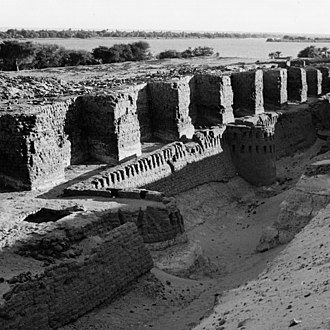
The New Kingdom (c. 1550–1070 BCE) marked the zenith of Egyptian imperial power, characterized by aggressive military campaigns and sophisticated diplomatic relations. Following the expulsion of the Hyksos, pharaohs like Ahmose I and Thutmose III established a vast empire stretching from Nubia in the south to the Levant in the north. This expansion was driven by a desire for security, access to vital resources like gold and timber, and the prestige associated with imperial dominance.
Egypt's foreign policy was not solely military; it involved intricate diplomatic marriages, the exchange of tribute and gifts with neighboring powers like the Hittites and Mitanni, and the establishment of a complex administrative system to govern conquered territories. The Amarna Letters, a cache of diplomatic correspondence, offer invaluable insights into the intricate web of international relations during this period, revealing a world of alliances, rivalries, and power struggles among the major Near Eastern states.
This era saw Egypt transition from a regional power to a dominant imperial force, influencing the political and cultural landscape of the ancient Mediterranean and Near East.
Monumentalism as State Propaganda and Divine Connection
The New Kingdom witnessed an unprecedented scale of monumental construction, serving as a powerful tool for state propaganda, reinforcing the divine authority of the pharaoh, and ensuring cosmic order. Thebes, particularly the precinct of Karnak and the Temple of Luxor, became the religious heart of the empire, with successive pharaohs vying to outdo their predecessors in the size and grandeur of their additions. The Hypostyle Hall at Karnak, with its forest of colossal papyrus-shaped columns, stands as a testament to the engineering prowess and artistic vision of the era.
Beyond temples, the elaborate rock-cut tombs in the Valley of the Kings, such as the tomb of Seti I, represent a shift in royal burial practices, emphasizing concealment and the preservation of the pharaoh's eternal journey. These structures were not merely aesthetic; they were integral to the state religion, providing spaces for rituals that maintained the relationship between the gods and the Egyptian state, thereby legitimizing the pharaoh's rule and ensuring the land's prosperity and stability.
Religious Revolution and Artistic Innovation
The New Kingdom was a crucible of religious and artistic change. While traditional polytheism remained dominant, the reign of Akhenaten (c. 1353–1336 BCE) introduced a radical monotheistic or henotheistic focus on the Aten, the sun disk. This 'Amarna Revolution' involved the suppression of traditional cults, the closure of temples, and the relocation of the capital to Akhetaten (modern Amarna).
This period also saw a distinctive artistic style emerge, characterized by a more naturalistic, sometimes even exaggerated, depiction of the human form and a departure from rigid conventions. Following Akhenaten's death, there was a strong reaction to restore the old order, leading to the re-establishment of the traditional priesthood and the eventual erasure of Akhenaten's legacy. This religious upheaval, though ultimately reversed, highlights the dynamic nature of Egyptian belief systems and the profound impact a single ruler could have on the religious and cultural fabric of the nation.
The subsequent reigns, particularly that of Tutankhamun, focused on restoring stability and traditional religious practices.
The Seeds of Decline and Enduring Legacy
Despite its glories, the New Kingdom eventually succumbed to a complex interplay of internal and external pressures. The late New Kingdom, particularly the reigns of the Ramesside pharaohs, faced increasing challenges. Economic strain, exacerbated by extensive building projects and the costs of maintaining a vast empire, led to social unrest, as evidenced by the first recorded labor strikes at Deir el-Medina.
External threats, such as the incursions of the Sea Peoples and sustained pressure from the Libyans and Nubians, weakened Egypt's military and territorial integrity. Internally, the growing power and wealth of the priesthood, particularly that of Amun-Ra at Thebes, began to rival that of the pharaohs, leading to a decentralization of power. By the end of the 20th Dynasty, Egypt had fractured into a divided kingdom, marking the end of its imperial dominance.
Nevertheless, the New Kingdom left an indelible mark on history, shaping subsequent Egyptian culture, influencing neighboring civilizations through its art and religious ideas, and providing a rich tapestry of historical and archaeological evidence that continues to fascinate scholars and the public alike.
Go deeper
Based on content from Wikipedia · Licensed under CC BY-SA 4.0