

Luxor: The City of a Hundred Gates!
Images
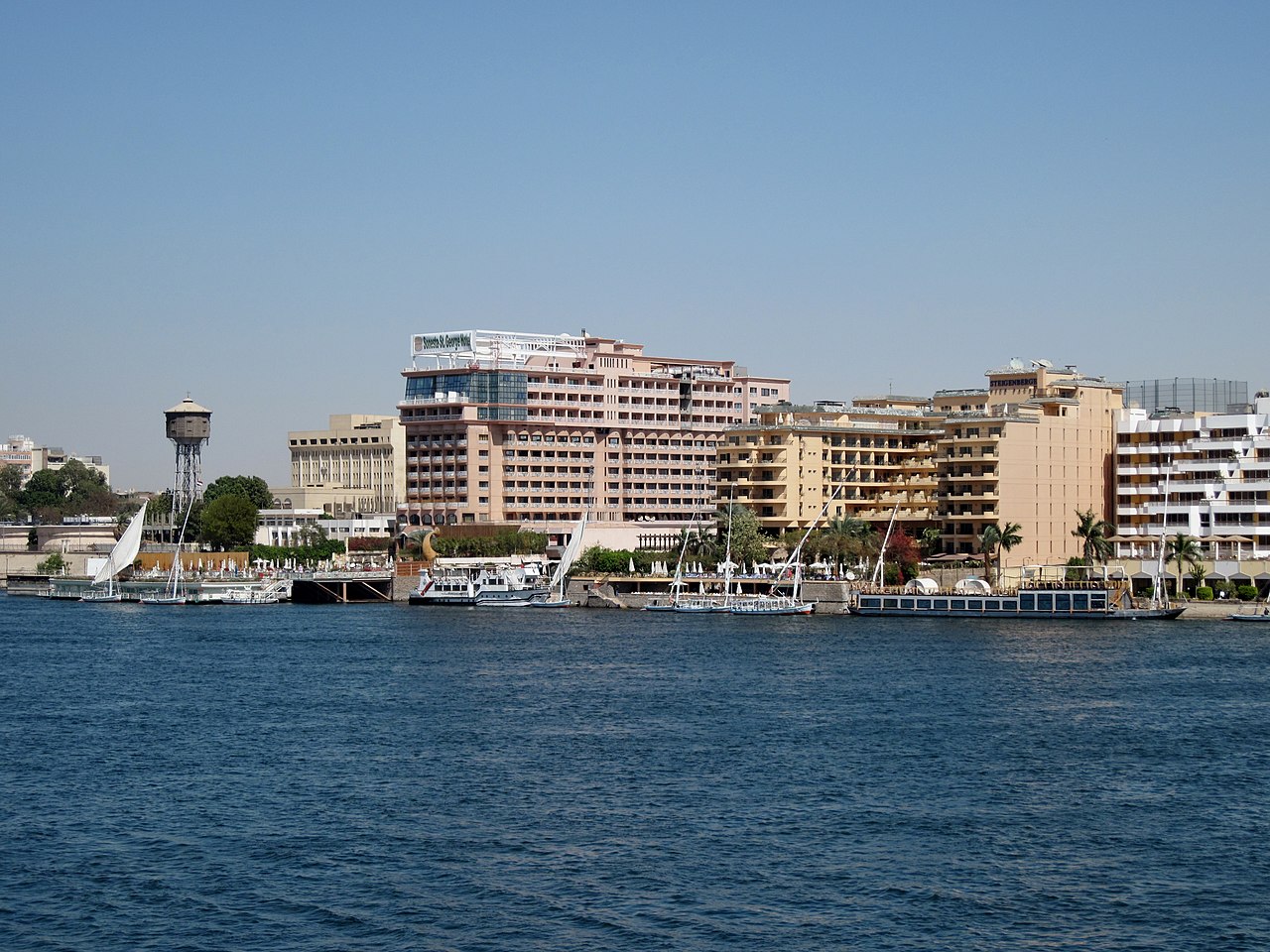
Luxor
Geopolitical and Environmental Context of Luxor
Luxor is strategically positioned in Upper Egypt, a geographical area characterized by its arid climate and the life-giving presence of the Nile River. This ancient city, located between 25-26 degrees North latitude and 32-33 degrees East longitude, benefits from a climate that has historically facilitated agriculture and, crucially, the preservation of its monumental architecture. Its location approximately 670 km south of Cairo and 220 km north of Aswan places it within a significant corridor of ancient Egyptian civilization.
The city's administrative role as the capital of the Luxor Governorate underscores its regional importance. The proximity of Luxor International Airport and Safaga Port facilitates its connectivity, essential for its role as a global tourist destination.
The Enduring Legacy of Thebes
Luxor's historical significance is profound, recognized as one of the oldest continuously inhabited cities in the world. Formerly known as Thebes, it served as a principal capital of Ancient Egypt during periods of immense power and cultural flourishing, notably the New Kingdom. The city's development is intrinsically linked to its religious and political importance, with vast temple complexes and necropolises constructed over centuries.
The sheer scale of these ancient constructions, from the Karnak Temple Complex to the royal tombs, speaks to the sophisticated organization, resources, and beliefs of ancient Egyptian society. Its enduring habitation means that layers of history, from Pharaonic times through Roman, Coptic Christian, and Islamic eras, are present within the modern urban fabric.
Luxor as a Global Archaeological Epicenter
The moniker 'world's greatest open-air museum' aptly describes Luxor. The city is a living repository of ancient Egyptian heritage, with the monumental ruins of the Luxor Temple and the sprawling Karnak Temple Complex integrated into the modern urban landscape. Directly across the Nile, the Theban Necropolis on the West Bank offers an unparalleled concentration of funerary monuments.
This includes the iconic Valley of the Kings, the burial site of numerous New Kingdom pharaohs, and the Valley of the Queens, where royal consorts and their children were interred. These sites are not merely historical relics but active centers of archaeological research, continually yielding new insights into ancient Egyptian civilization, religion, and funerary practices.
Socio-Economic Dynamics
Luxor's modern economy is heavily reliant on international tourism, attracting approximately five million visitors annually. This influx generates significant revenue and employment, supporting a substantial tourism infrastructure including hotels, resorts, and tour operators. The city's appeal lies not only in its Pharaonic past but also in its diverse cultural heritage, where ancient temples, Coptic churches, and Islamic mosques coexist, reflecting centuries of religious and cultural evolution.
This unique blend offers visitors a rich, multi-layered experience. The economic impact of tourism is vital for the contemporary city, influencing urban development and local livelihoods, while also presenting challenges related to heritage preservation and sustainable tourism practices.
Governance, Education, and Modern Infrastructure
As the capital of the Luxor Governorate, the city is administered through Egypt's national governmental structure. This involves local governance focused on public services, infrastructure development, and managing the region's resources, including its invaluable archaeological sites. Education in Luxor follows the national curriculum, with institutions catering to primary, secondary, and tertiary levels, aiming to equip the local population for both traditional roles and the demands of the modern economy, particularly the tourism sector.
The city's infrastructure includes Luxor International Airport, facilitating global access, and road networks connecting it to other major Egyptian centers. While ancient history dominates its global image, Luxor is also a functioning modern city with evolving educational and administrative systems.
Go deeper
Frequently Asked Questions
What is Luxor and why is it so special?+
Where is Luxor located in Egypt?+
What is the Valley of the Kings?+
How does tourism help the city of Luxor?+
What different kinds of buildings can you see in Luxor?+
Based on content from Wikipedia · Licensed under CC BY-SA 4.0