

Morocco
Images
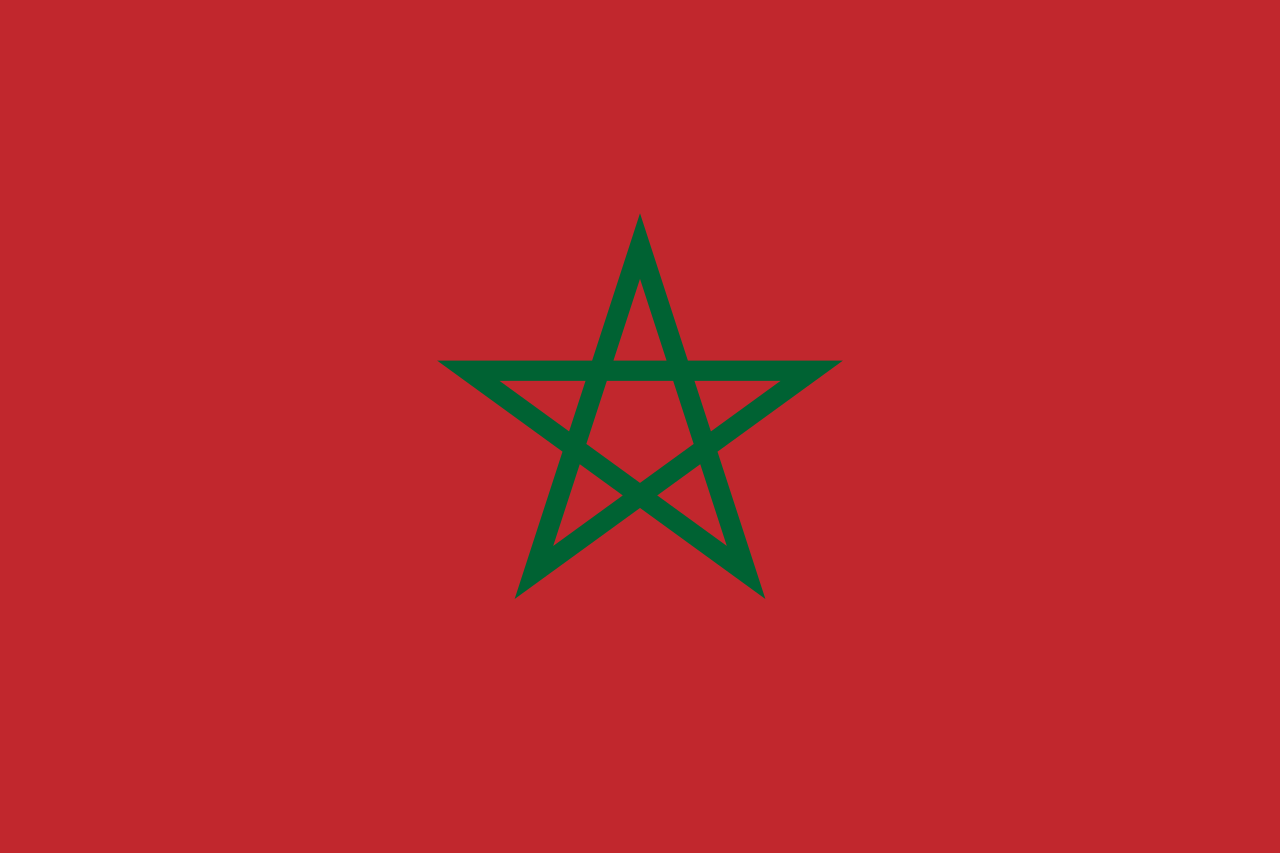
Morocco
Opens Google Maps in new tab
Geostrategic Nexus
Morocco occupies a pivotal geostrategic location at the northwesternmost point of Africa, serving as a crucial bridge between Africa, Europe, and the Americas. Its extensive coastlines along the Atlantic Ocean and the Mediterranean Sea, including proximity to the Strait of Gibraltar, grant it significant maritime influence and trade access. The country's diverse topography ranges from the snow-capped Atlas Mountains, which influence regional climate patterns, to fertile coastal plains and arid desert regions.
This varied geography supports a rich biodiversity and distinct regional cultures. Morocco's strategic position has historically made it a coveted territory and a vital hub for trade and cultural exchange, influencing its development and international relations for millennia.
A Millennia-Long Tapestry of Rule and Resilience
The historical narrative of Morocco is one of enduring sovereignty and adaptation. Inhabited since the Paleolithic era, the region saw the rise of powerful indigenous Berber kingdoms and later, significant Arab influence following the 7th-century conquests. Morocco was uniquely resistant to Ottoman expansion, maintaining its independence when much of North Africa fell under Ottoman sway.
Dynasties like the Almoravids and Almohads established vast empires, extending influence across the Iberian Peninsula and North Africa during the 11th and 12th centuries. Despite periods of foreign encroachment, including Portuguese and Spanish territorial claims and the French and Spanish protectorates established in 1912, Morocco consistently asserted its identity. Regaining full independence in 1956 marked a pivotal moment, consolidating its national sovereignty after centuries of external pressures.
Cultural Synthesis
Moroccan culture is a profound synthesis of its historical interactions, blending indigenous Berber traditions with Arab, African, and European (particularly French and Spanish) influences. This fusion is evident in its languages, with Arabic and Berber as official tongues, and French widely used in business and education. The capital, Rabat, showcases this blend with its historical medina and modern administrative centers, while Casablanca stands as a bustling metropolis.
The country's artistic heritage is rich, seen in intricate zellij tilework, vibrant textiles, and unique architectural styles. Moroccan cuisine, renowned globally, reflects this diversity with dishes like tagine and couscous. This cultural richness is a cornerstone of Morocco's national identity and its appeal as a global destination.
Economic Dynamism and Regional Influence
Morocco boasts the fifth-largest economy in Africa, characterized by a diversified structure that includes strong agricultural, industrial, and tourism sectors. Key exports include phosphates, agricultural products, and manufactured goods like textiles and automotive components. Tourism is a significant contributor, drawing visitors with its rich history, diverse landscapes, and cultural attractions.
Morocco actively engages in international trade and has established numerous free trade agreements. Its economic stability and growth have positioned it as a middle power with considerable influence within the African Union, the Arab League, and the Union for the Mediterranean. The nation is committed to sustainable development and renewable energy initiatives.
Monarchy within a Modern Framework
Morocco operates as a unitary semi-constitutional monarchy, a system that balances traditional royal authority with democratic institutions. The King of Morocco, as head of state, holds significant executive and legislative powers, particularly in areas of foreign policy, defense, and religious affairs. He can issue royal decrees (dahirs) with the force of law and dissolve parliament.
Legislative power is vested in a bicameral parliament, comprising the House of Representatives and the House of Councillors. The prime minister, appointed by the King, heads the government. The judiciary is independent, with the Constitutional Court playing a key role in reviewing the legality of laws and elections.
This governance structure reflects Morocco's commitment to stability while adapting to modern political norms.
Cultivating Future Generations
Morocco places a strong emphasis on education as a cornerstone for national development and progress. The education system is structured in several stages, beginning with pre-school, followed by primary and secondary education, and culminating in higher education. Arabic is the primary language of instruction, particularly in religious and cultural subjects, while French is widely used in science, technology, and business programs. The government has invested significantly in improving access to education, particularly in rural areas, and in enhancing the quality of teaching and curriculum.
Universities and higher education institutions offer a wide range of programs, preparing students for diverse professional fields and contributing to Morocco's skilled workforce. Efforts are ongoing to modernize the educational system and align it with international standards, fostering critical thinking and innovation among its youth.
Go deeper
Frequently Asked Questions
What is Morocco?+
Where is Morocco located?+
Why is Morocco important for trade?+
What foods can you find in Morocco?+
What languages do people speak in Morocco?+
Based on content from Wikipedia · Licensed under CC BY-SA 4.0